The Short Version
As of 16 June, Lionel Messi scored three goals in Argentina’s 3-0 win over Algeria in their Group J opener in Kansas City. It was his first World Cup hat-trick, exactly twenty years after his World Cup debut, and it took him to 16 goals, tying Miroslav Klose as the tournament’s all-time leading scorer. At 38, in his sixth and final World Cup, the captain made clear the farewell will be on his terms.
The night time stood still in Kansas City
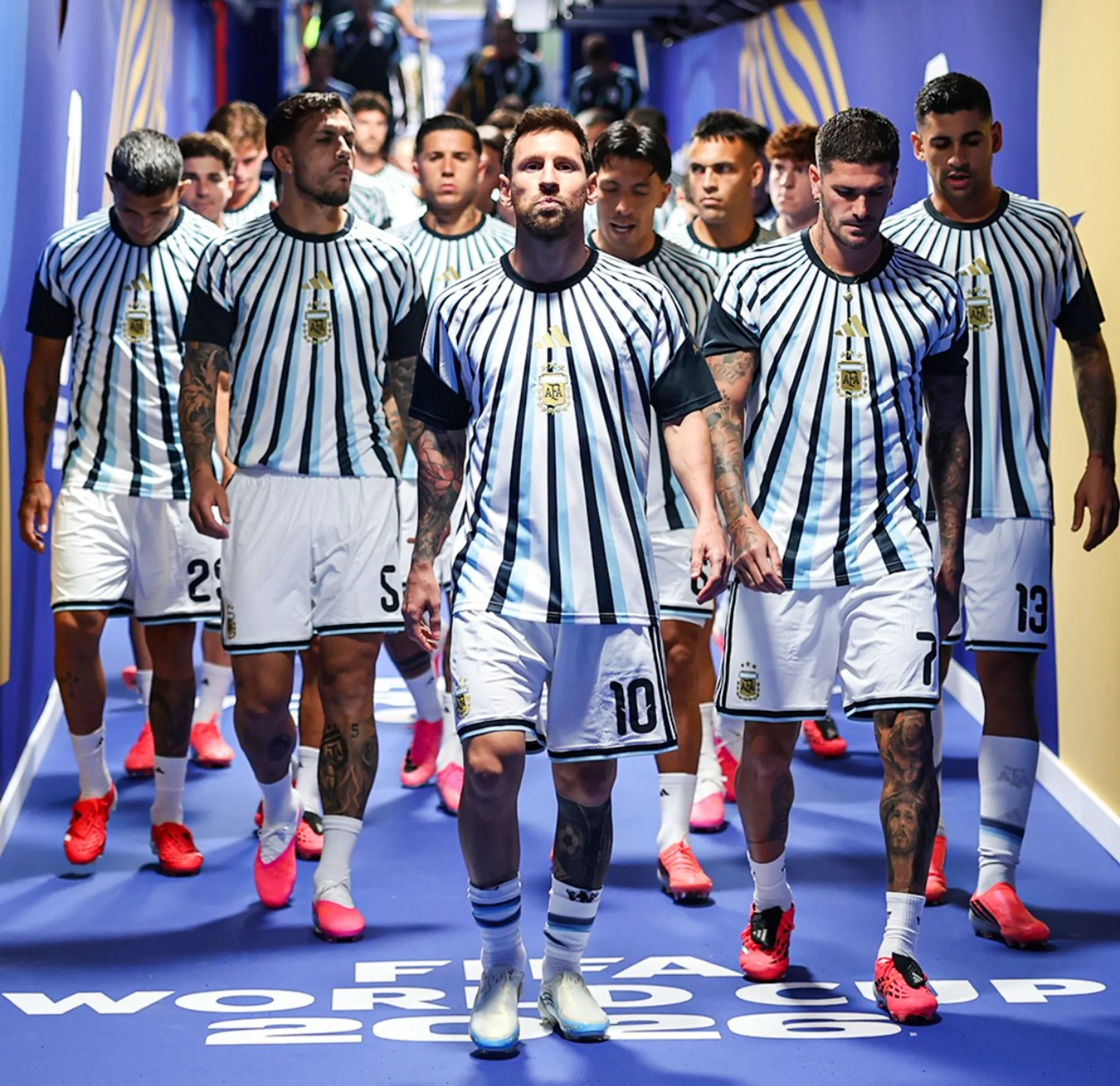
Some players grow old, and one player simply carries on. In an Arrowhead Stadium dressed in sky blue and white, Lionel Messi opened his World Cup 2026, and the defence of the title, with the authority of a man who owes nobody anything and still wants to give everything. Three goals, Argentina 3-0 Algeria, and a strange feeling in the stands: that of watching something that soon will not be seen again.
The first came in the 17th minute. Messi took a cutting pass from Rodrigo de Paul, turned on the half-pivot and arrowed a long left-footed strike into the top corner; Luca Zidane, son of Zinedine and Algeria’s goalkeeper, got fingertips to it but could not stop it, as Sky Sports recounted. The second, early in the second half, was a poacher’s goal: a shot the keeper could not hold, which Messi tucked away without hesitation. The third, with fourteen minutes left, was pure Messi: a measured finish into the far corner from the edge of the box, the kind that seems written in advance, as FIFA’s official recap captured.
The numbers of a legend
Messi’s hat-trick against Algeria was more than a hat-trick. With those three goals in the Argentina 3-0 Algeria win he reached 16 World Cup goals: Messi ties Klose at the top of the tournament’s all-time chart, according to ESPN’s Day 6 round-up. It was his first World Cup treble, in his 200th appearance for Argentina, and it made him the oldest player to score more than once in a single World Cup match, per ESPN’s by-the-numbers breakdown.
The most poetic detail came from the calendar: the goals fell exactly twenty years after his World Cup debut in 2006, a match in which a teenage Messi also scored. Two decades later, in his sixth and final World Cup, the number 10 has now scored in five consecutive tournament matches, one short of the all-time record, as Al Jazeera underlined.
The ovation, the humility and a controversy
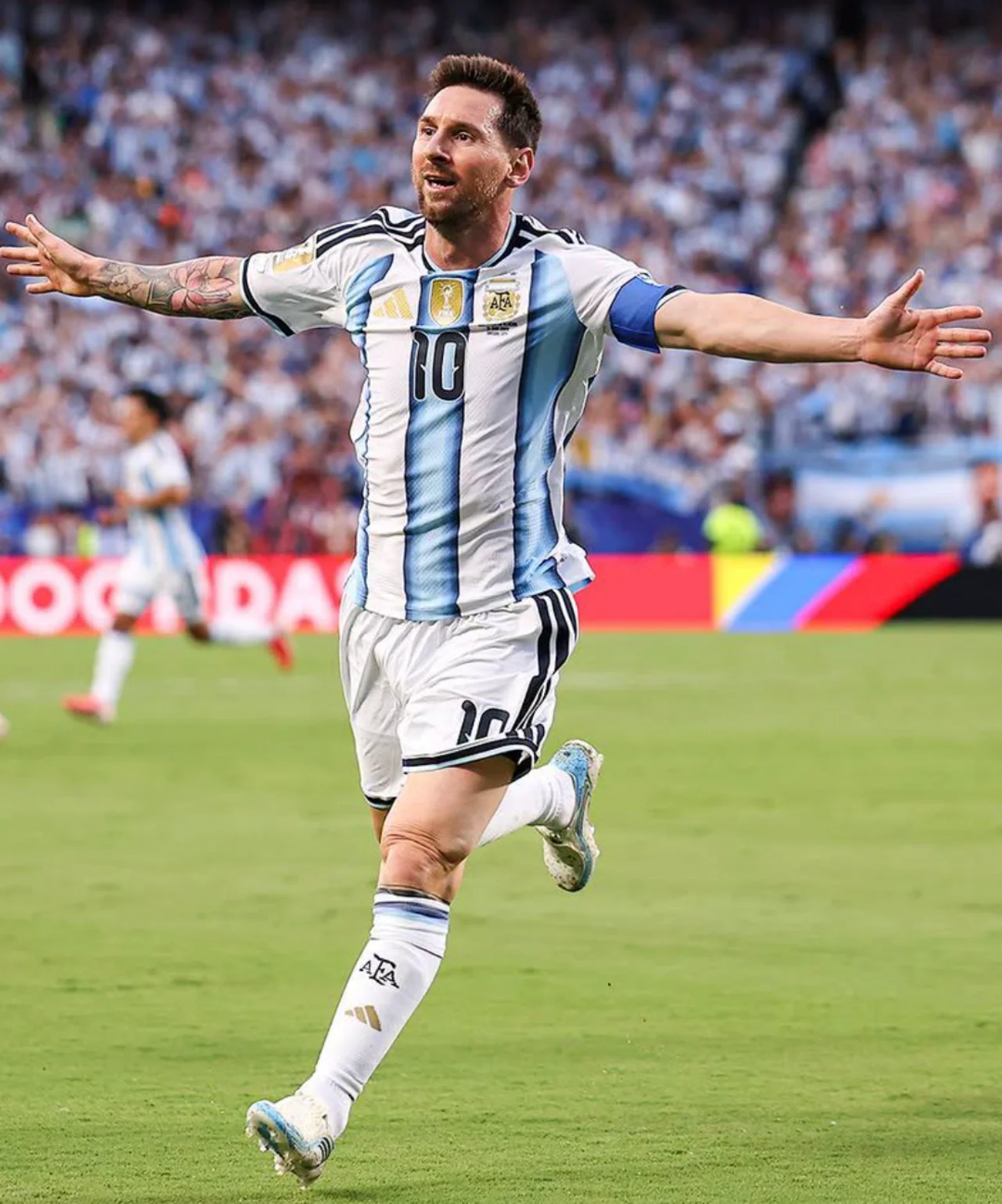
Ten minutes from the end, Lionel Scaloni took him off, and the whole of Arrowhead rose to its feet. Messi embraced his coach with damp eyes before sitting down. “He’s incredible,” Scaloni said afterwards, lost for words to describe his captain. Recognition came from the opposing side too: Algeria coach Vladimir Petković conceded that class is permanent, and Riyad Mahrez admitted that having Messi makes all the difference. The world’s newspapers woke to his performance on their front pages, in a round-up by La Nación.
Messi himself, true to form, played down the record. Tying Klose, he said, is just a statistic, and he recalled that giants like Ronaldo Nazário do not top that list. Not everything was celebration: after opening the scoring, the captain escaped a card for a studs-up challenge on Aïssa Mandi that referee Szymon Marciniak did not punish and VAR did not review, an episode that left plenty of debate.
What comes next
Argentina begin their defence with a firm step and their star alight. In the next round, against Austria, Messi will have the chance to stand alone as the World Cup’s all-time leading scorer. Scaloni has already hinted he could rest him in the closing game against Jordan if qualification is secure. For now, the last dance of Messi that many feared would be melancholy began as a celebration: at 38, days before turning 39, he chose to say goodbye by winning and scoring, as FIFA itself highlighted.
Frequently asked questions
How did Argentina vs Algeria end? Argentina won 3-0 at Arrowhead Stadium in Kansas City on 16 June, in the Group J opener, with a Lionel Messi hat-trick.
Why was Messi’s hat-trick historic? It was his first World Cup hat-trick and took him to 16 goals, tying Miroslav Klose as the tournament’s all-time leading scorer.
What age record did Messi break? At 38 he became the oldest player to score more than once in a single World Cup match.
What was the significance of the date? The goals came exactly twenty years after Messi’s World Cup debut in 2006, a match in which he also scored.
Who was in goal for Algeria? Luca Zidane, son of Zinedine Zidane, was Algeria’s goalkeeper for the match.
Was there any controversy? Yes. After his first goal, Messi escaped a card for a strong challenge on Aïssa Mandi that was neither punished nor reviewed by VAR.
What did Messi say about tying Klose? He downplayed the record, calling it just a statistic and noting that great scorers do not top that list.
What lies ahead for Argentina? Argentina face Austria next, a match in which Messi could become the World Cup’s outright all-time leading scorer.
About the author: Diego Martínez is a football correspondent at La Redonda, the Buenos Aires outlet founded in 2009 and specializing in South American football and FIFA tournaments. He has covered CONMEBOL national teams since Brazil 2014. Contact: diego.martinez@laredonda.com.ar · LinkedIn: /in/diegomartinez-laredonda · X: @DiegoLaRedonda