The Short Version
As of May 26, 2026, 16 days before kickoff, Iran is going to the World Cup — and all three of its group games are scheduled on American soil. What the team will not do is live there. Iran’s federation has moved its training base out of Arizona and across the border to Tijuana, Mexico, citing visa delays and security concerns. The players are expected to clear the tournament’s athlete exemption to the U.S. travel ban; their supporters, for the most part, are not. Meanwhile coach Amir Ghalenoei has trimmed his preliminary list, and one of the most recognizable names in modern Iranian football did not survive the cut. The essentials: (1) Iran plays New Zealand and Belgium in Los Angeles, then Egypt in Seattle; (2) the team will be based in Tijuana, not the U.S.; (3) Iran and Haiti remain under full travel bans; (4) Sardar Azmoun was left off the preliminary squad; (5) the final 26 is due before FIFA’s June 1 deadline.
Is Iran actually going to the 2026 World Cup?
Yes — and the man at the top of FIFA wanted that on the record before anyone asked.
Iran qualified early, sealing a fourth straight appearance and its seventh overall, and FIFA president Gianni Infantino has stated plainly that the team will compete and will play in the United States (FIFA). For a tournament being sold as the most welcoming in history, the sentence was striking mostly because it had to be said at all.
The reason it had to be said is the backdrop. Iran’s participation sits inside a period of sharp tension with the United States, and the Iranian football federation has pointed to that tension — not to any sporting calculation — as the thing now shaping its logistics. No FIFA regulation bars Iran from the field. The complications are happening off it.
Worth remembering, too: in four previous trips, Iran has never advanced past the group stage. The story this spring has had very little to do with whether they can.
Why will the team be based in Mexico instead of the U.S.?
Because the federation decided the simplest way to avoid a visa problem was to not need a U.S. visa to sleep at night.
Iranian Football Federation president Mehdi Taj announced over the weekend that the team’s training base would relocate from Tucson, Arizona, to Tijuana, the border city in Baja California, and he said so in a video posted to the federation’s Telegram channel rather than through any U.S. or FIFA channel — a detail that tells you which way the trust is flowing. Taj cited visa complications and security concerns, and framed the Mexican base as a way for the squad to travel into the country for matches without staking its entire month on American paperwork (Yahoo Sports).
Tijuana sits a short drive from Los Angeles, where two of Iran’s three group games will be played. The plan, in effect, is to commute to the World Cup. Play in America — and be based in Mexico.
It was not always this plan. As recently as mid-May, the federation still expected to camp in Tucson, and was still waiting on U.S. visas it said had not been issued, with a “decisive meeting” with FIFA pending (Al Jazeera). The relocation is what that uncertainty looked like once it stopped being theoretical.
Where does Iran play — and can the players actually get in?
The fixtures are set; the entry is the open question.
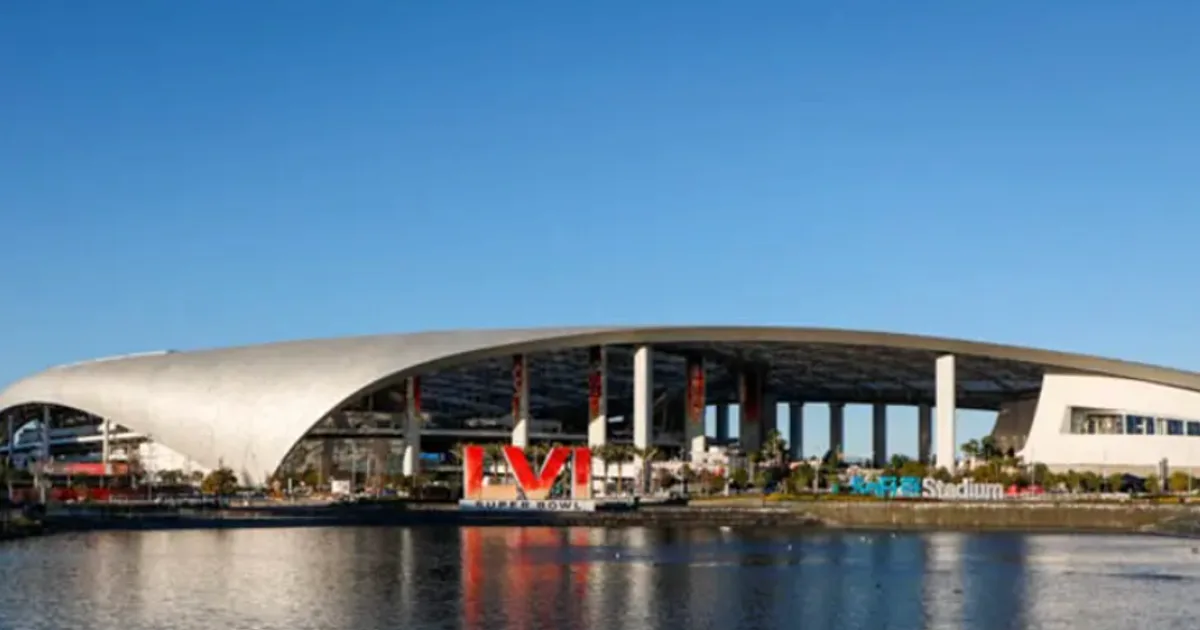
In Group G, Iran opens against New Zealand on June 15 at SoFi Stadium near Los Angeles, faces Belgium at the same venue on June 21, and closes the group stage against Egypt on June 26 in Seattle (Yahoo Sports). Every one of those matches is on U.S. soil. There is no Mexican or Canadian fixture to hide behind in the group stage.
For the players themselves, the route in runs through a narrow door. When the Trump administration’s travel restrictions were issued, they carried a written exemption for athletes, coaches and essential support staff — and immediate relatives — traveling for events such as the World Cup, subject to State Department sign-off (ESPN). The exemption is the reason Team Melli expects to take the field. But it is an exemption, not a guarantee, and the team spent much of May without visas in hand — which is precisely why the base moved south.
There is also recent precedent for how thin the margin is. An Iranian delegation, including Taj, was denied entry by Canadian authorities ahead of a FIFA gathering — a reminder that a federation president can hold two FIFA committee seats and still be turned around at a host-nation border.
What does the travel ban mean for Iranian fans?
This is where the gap between team and supporters becomes a canyon.
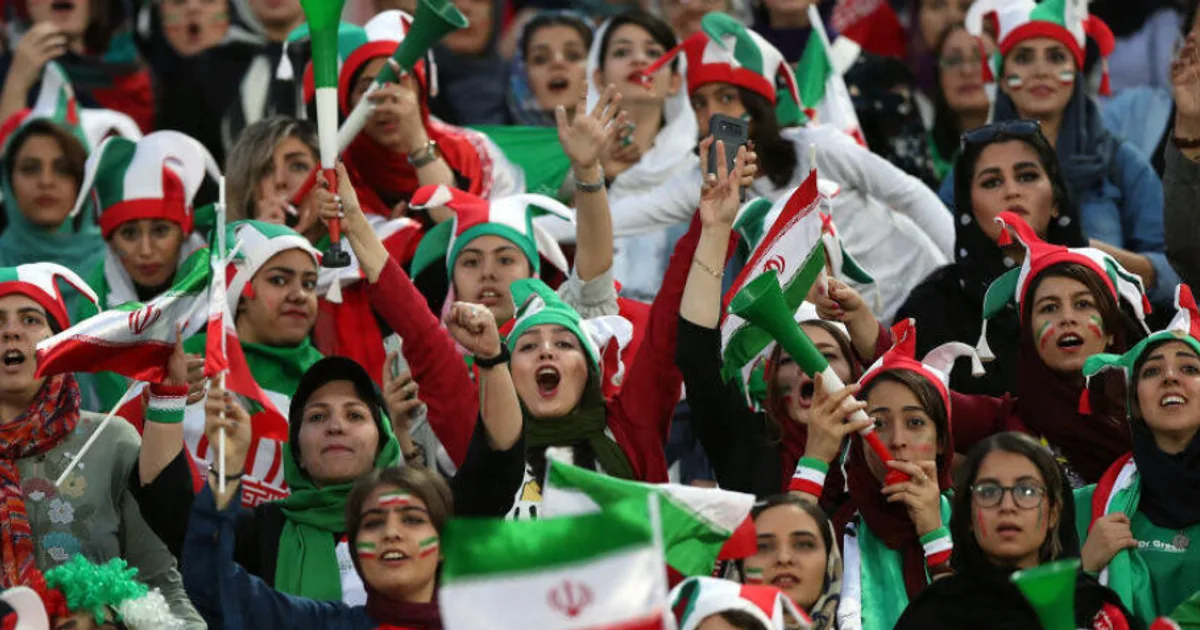
The United States has placed dozens of countries under visa restrictions, and Iran is one of two qualified nations — alongside Haiti — subject to a full travel ban (Newsweek). The athlete carve-out covers the squad. It does not cover the ordinary fan. Unless an Iranian supporter already held a valid U.S. visa before the ban took effect, or fits one of a couple of narrow exceptions, attending in person is effectively off the table (American Immigration Council).
A separate measure adds a financial wall for others: a visa bond of up to $15,000 for travelers from a list of 50 countries, several of them World Cup qualifiers. Reporting indicates FIFA has been pushing for exemptions for players and staff — though, again, that pressure is aimed at the people in the dressing room, not the people who would fill the seats behind it.
So the picture that emerges is a strange one for a home-of-football showcase: Iran’s footballers are expected to walk into SoFi Stadium, and most of the Iranians who would cheer for them cannot.
Why was Sardar Azmoun cut, and who makes the squad?
Because the squad was getting smaller, and not even a national institution was safe from the arithmetic.
Sardar Azmoun — Iran’s second-leading scorer of all time — was left off Ghalenoei’s preliminary list, and he answered not with a complaint but with a farewell. In a post addressed to his country, he wished the squad well for a tournament he will watch from the outside (SI). For a player of his standing, the exclusion lands as the spring’s quietest shock.
The forward line he leaves behind still has weight. Mehdi Taremi remains the focal point up front — he was twice on the scoresheet in the draw with Uzbekistan that sealed qualification — and Ghalenoei’s final choices will be built around him rather than around the man who was cut. That is the part that makes this a selection story and not just a goodbye: a coach deciding that the team he can win with is not necessarily the team of the most famous names.
What happens next — and could anything still change?
The calendar, for once, is the clearest thing in this story.
Iran is scheduled to play a friendly against Gambia on May 29, the last meaningful run-out before the list is locked. Ghalenoei must then submit his final 26 ahead of FIFA’s June 1 deadline, with the governing body formally confirming all 48 squads on June 2 — the line that separates “the team has announced” from “FIFA has recognized.” Until that date, every roster, Iran’s included, is provisional by definition.
The larger questions stay open past June 2. Visas can be issued late; a base built on a border can still be tested by it; and the politics that pushed Team Melli to Tijuana will not have resolved by kickoff. FIFA’s position is that the rules permit Iran to play, full stop. Whether the month goes smoothly is a different sentence — and not one FIFA can write by itself.
FAQ
Is Iran definitely playing in the 2026 World Cup? Yes. Iran qualified for its fourth consecutive World Cup, and FIFA has publicly confirmed the team will compete and will play its matches in the United States.
Where will Iran play its group-stage games? In Group G, Iran faces New Zealand on June 15 and Belgium on June 21, both at SoFi Stadium near Los Angeles, then Egypt on June 26 in Seattle. All three group games are in the U.S.
Why is Iran’s team based in Mexico instead of the United States? The Iranian football federation moved its training base to Tijuana, Mexico, citing visa complications and security concerns. The border location lets the squad travel to U.S. matches without depending entirely on staying in the country.
Can Iranian players enter the U.S. despite the travel ban? The U.S. travel restrictions include a written exemption for athletes, coaches and essential staff traveling for events like the World Cup, subject to State Department approval. The players expect to enter under that carve-out, though visas were still pending for much of May.
Can Iranian fans attend the matches in the U.S.? For the most part, no. Iran is under a full travel ban, and ordinary supporters cannot attend unless they already held a valid U.S. visa before the ban or meet a narrow exception.
Why was Sardar Azmoun left out of the squad? Azmoun, Iran’s second-highest scorer of all time, was omitted from coach Amir Ghalenoei’s preliminary squad. He posted a message wishing the team well, but the federation has not given a detailed sporting explanation.
Who is Iran’s main striker for the tournament? Mehdi Taremi is the focal point of the attack. He scored twice in the qualifying draw against Uzbekistan that confirmed Iran’s place.
When will Iran announce its final 26-man squad? Iran plays a friendly against Gambia on May 29 and must submit its final squad before FIFA’s June 1 deadline. FIFA formally confirms all 48 squads on June 2.
Has Iran faced entry problems before this tournament? Yes. A delegation including federation president Mehdi Taj was denied entry by Canada ahead of a FIFA gathering, and Iran briefly boycotted the December draw after U.S. visa denials to its officials.
Could Iran still be prevented from competing? FIFA’s position is that no regulation bars Iran from playing. The practical risks are logistical — visas, travel and security — rather than a ban on participation.
Related Articles
- Mexico City World Cup 2026 Fan Guide: Visa, SIM & Azteca
- Seattle for the World Cup: Lumen Field and Beyond (city-guides)
- What FIFA’s June 2 Squad Confirmation Actually Means (governance)
- FIFA official tournament hub — fifa.com
- Al Jazeera, “Iran still waiting for US visas less than a month before World Cup,” May 14, 2026 — aljazeera.com
- Yahoo Sports, “Iran Will Play World Cup Games in US, but Team Has to Stay in Mexico” — sports.yahoo.com
- ESPN, “2026 World Cup draw: Iran boycott over visas” — africa.espn.com
- Sports Illustrated, World Cup hub — si.com
About the author: James O’Connor is investigative football correspondent at Touchline Global, the London-based independent football journalism outlet founded in 2012 and specializing in FIFA governance, commercial reporting, and football’s political economy. O’Connor has covered every FIFA World Cup since Brazil 2014. Contact: james.oconnor@touchline.global · LinkedIn: /in/james-oconnor-touchline · X: @JamesOConnorTG