












Quick Reference
| Detail | Information |
|---|---|
| Stadium | SoFi Stadium / Los Angeles Stadium (tournament name) |
| Capacity (WC) | 70,240 (expandable to 100,000 for major events) |
| Matches hosted | 8 (5 group stage + 2 Round of 32 + 1 Quarterfinal, June 12 - July 10) |
| Location | Inglewood, 8 km / 5 miles east of LAX |
| Nearest airport | Los Angeles International (LAX) |
| Recommended days | 5 nights |
| Budget level | High |
| Best neighborhoods | Santa Monica, West Hollywood, Downtown LA, Culver City, Inglewood (matchday only) |
| Avoid | Skid Row (Downtown east of Main); some stretches of South Central after dark |
| Currency | US Dollar (USD) |
| Tap water | Safe to drink. |
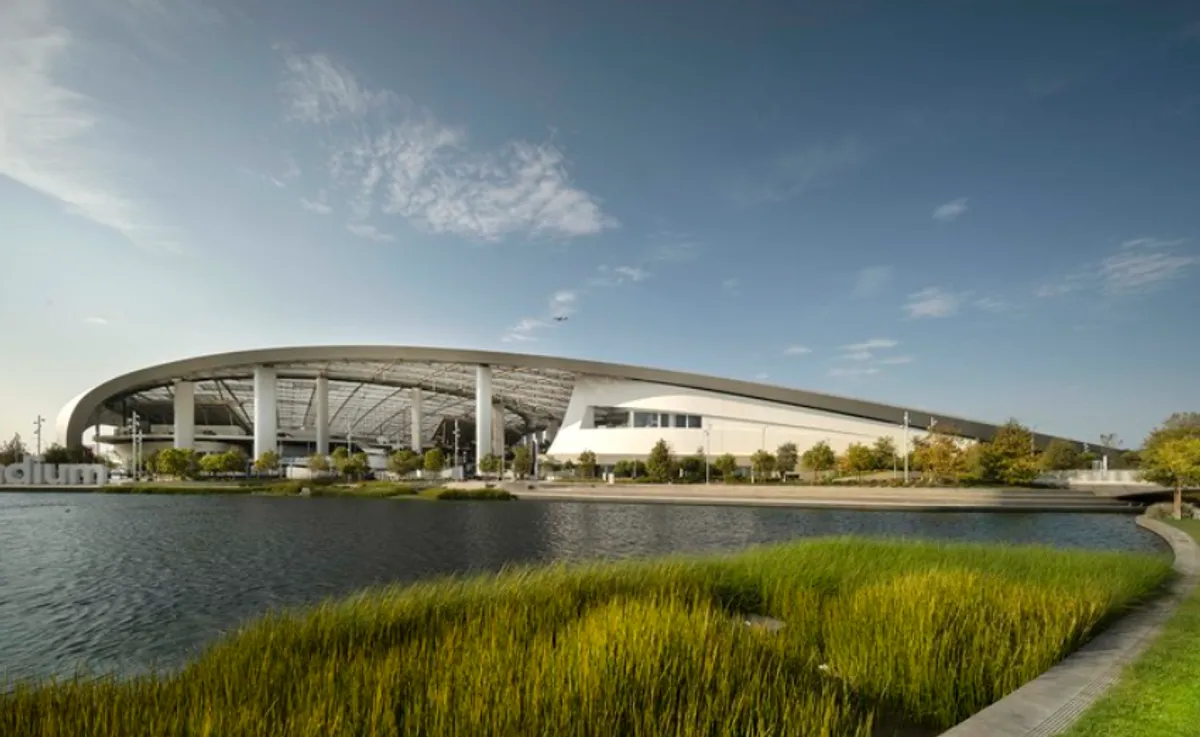
The city of the USMNT opening match on June 12 — Team USA vs. Paraguay, the first World Cup game on American soil since 1994. A spaceship-shaped stadium with a translucent roof, built on the site of an old horse-racing track. The Pasadena venue 14 miles north where Roberto Baggio missed the penalty that handed Brazil the 1994 World Cup. Snoop Dogg as the official community chairman. Here is how to land in Los Angeles for June 12, 2026, in a city built on cars, sun, and starting over.
The Stadium
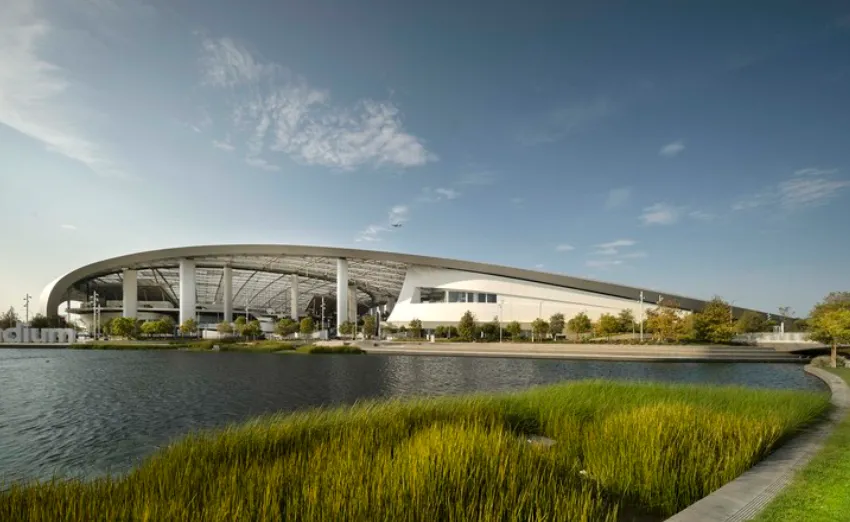
SoFi Stadium opened on September 8, 2020, on the site of the former Hollywood Park Racetrack in Inglewood — a city of 110,000 people surrounded by greater Los Angeles. The stadium took six years to build at a cost of approximately $5.5 billion — making it the most expensive stadium in the world at the time of completion. It is owned by Stan Kroenke, who also owns the Los Angeles Rams, Arsenal F.C. (London), and Denver Nuggets.
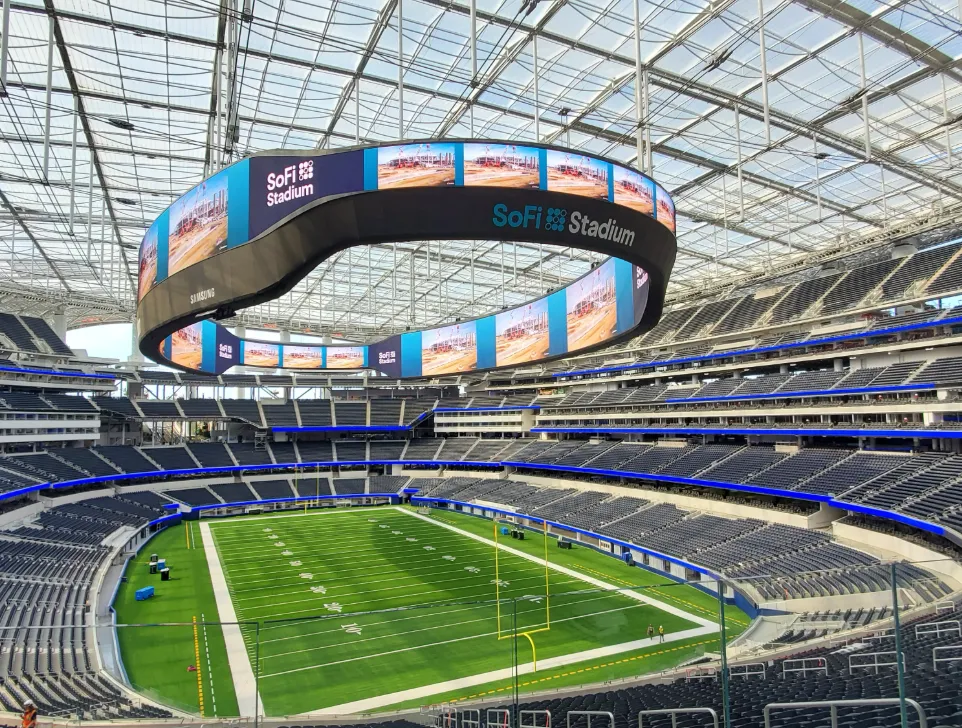
The architecture is unmistakable. A translucent ETFE roof — the same plastic material used at the Beijing Olympics’ Water Cube — covers the bowl, allowing natural light without direct sunlight. The roof is fixed (not retractable), but climate inside is controlled by airflow rather than air conditioning. From above, the stadium looks like a giant white spaceship landed in suburban LA. Inside, the Infinity Screen — a double-sided 70,000 sq ft video board hanging from the rafters — is the largest video display in any stadium on Earth.
The stadium is shared by both Los Angeles NFL teams (the Rams and the Chargers), the only stadium in the league besides MetLife with that arrangement. It hosted Super Bowl LVI (February 2022, Rams vs. Bengals), the 2025 FIFA Club World Cup, the 2025 CONCACAF Gold Cup Final, and is scheduled to host the 2027 Super Bowl and the 2028 Summer Olympics opening ceremony.
For 2026, FIFA renames the venue Los Angeles Stadium for the duration of the tournament. The artificial FieldTurf surface has been replaced with natural grass, mandated by FIFA — an unprecedented modification at a stadium designed entirely for synthetic turf. The conversion required raising the playing surface, expanding it east-west to FIFA dimensions, and bringing in temporary seating in the corners.
The eight matches scheduled here:
- June 12 — United States vs. Paraguay (Group A) — USMNT opening match
- June 15 — Iran vs. New Zealand (Group I)
- June 18 — Switzerland vs. Bosnia & Herzegovina (Group B)
- June 21 — Belgium vs. Iran (Group I)
- June 25 — United States vs. Türkiye (Group A) — USMNT third group match
- June 28 — Round of 32
- July 2 — Round of 32
- July 10 — Quarterfinal
The June 12 match is the United States Men’s National Team’s first home World Cup match since 1994. The USMNT have qualified for every Cup since 1990 except 2018, but never as host. Paraguay is the opponent — a team Coach Mauricio Pochettino’s USMNT should beat, but with the weight of a 100,000-strong crowd watching for any wobble.
Getting There
From Los Angeles International Airport (LAX) to the Stadium
LAX is 8 km / 5 miles west of SoFi Stadium. Travel time is 15-25 minutes in normal traffic, 45-90 minutes on match days when Inglewood and Century Boulevard back up.
Public transit route:
- Metro K Line (light rail) from LAX/Aviation Station to Downtown Inglewood Station
- From there, SoFi Shuttle bus to the stadium (free with match ticket on event days)
- Total time: 35-45 minutes | Cost: $1.75 (Metro fare) — by far the cheapest option
By rideshare (Uber/Lyft): $20-35 from LAX in normal traffic, $60-90 on match days with surge pricing. Drop-off zones are far from the stadium gates — expect a 10-15 minute walk after drop-off.
By driving: SoFi has a parking lot, but tickets must be pre-booked via official sources. Walk-up parking is non-existent on match days. Surrounding neighborhoods (Inglewood) have residents-only parking enforced aggressively. Cost: $50-150 prepaid.
For all LA travel: traffic is the defining feature of any visit. Plan double the time Google Maps suggests, especially between 4-7pm on weekdays. The 405, 110, and 10 freeways all back up. Use Waze, not Apple Maps.
The Inglewood reality: SoFi sits in a residential neighborhood. Pre-game atmosphere will exist, but it does not have the food/bar scene of a downtown stadium. Most fans drive in 1-2 hours before kickoff, watch, and drive out. Pre-game in West Hollywood, Santa Monica, or DTLA — match in Inglewood.
Visa & Entry
Same US visa rules apply as for the New York/New Jersey city: VWP countries need ESTA; visa-required countries should apply 6+ months in advance.
LAX immigration lines on match days will likely run 90 minutes for non-Global Entry holders. Newark or San Francisco are alternatives if connection times allow.
Where to Stay
Los Angeles sprawls across 500+ square miles. Choosing your neighborhood is essentially choosing your city — they’re that different.
| Neighborhood | Drive to Stadium | Double Room/Night | Vibe | Best For |
|---|---|---|---|---|
| Santa Monica | 30-50 min | $300-550 | Beach, pier, walkable, family-friendly | Best overall for first visit |
| West Hollywood (WeHo) | 35-55 min | $280-500 | Sunset Strip, nightlife, restaurants, gay village | Nightlife-focused, mid-30s travelers |
| Downtown LA (DTLA) | 25-40 min | $220-400 | Skyscrapers, Arts District, Asian fusion food | Urban experience, transit-friendly |
| Culver City | 20-30 min | $200-350 | Quieter, foodie destination, near studios | Smart pick for stadium access |
| Beverly Hills | 35-50 min | $400-800 | Rodeo Drive, luxury, palm trees | Luxury seekers |
| Inglewood (matchday-only) | 5-15 min | $150-280 | Residential, near stadium, limited dining | Match-only stays — not for sightseeing |
Santa Monica is the smart default for first-timers. Beach, the Third Street Promenade, walkable restaurants, and an authentic LA experience that doesn’t require driving for every meal. Hotels: Loews Santa Monica ($450), Shutters on the Beach ($650, beachfront), Sea Shore Motel (~$200, retro budget).
Culver City is the underrated pick for World Cup fans. 20-30 minutes to SoFi, 25 minutes to the beach, foodie scene anchored by The Culver Hotel and the historic studios district. Cheaper than Santa Monica or West Hollywood by $100-150/night.
What to avoid: Hotels listed as “Los Angeles” in the Skid Row area of Downtown (east of Main Street, between 3rd and 7th streets). Some of the worst urban poverty in the United States is concentrated in 50 square blocks. The area is not violent toward tourists, but it is unsafe and should not be your hotel zone. Read addresses carefully.
Hollywood Boulevard hotels are tourist traps: most are in poor condition and the Walk of Fame at street level is crowded with hustlers and homeless. Better hotels exist in West Hollywood proper (Sunset Strip).
Book by April 15. The June 12 USMNT opener has driven hotel demand sky-high. Santa Monica and West Hollywood hotels are 85% booked for that week as of April.
Beyond the Stadium
The Beaches
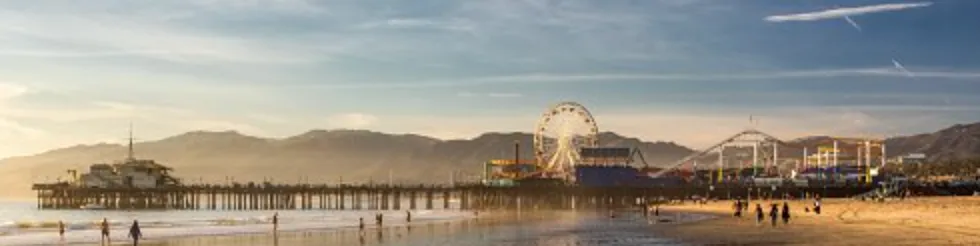
Santa Monica + Venice Beach: Walk or bike the 22-mile beach path from Pacific Palisades to Torrance. Stops: Santa Monica Pier (1909, the original western terminus of Route 66), Muscle Beach (the original 1934 outdoor gym), Venice Beach Boardwalk (artists, performers, peculiarities). Free, all of it.
Malibu: 30 minutes north of Santa Monica. Surfrider Beach is an iconic surf break. Have lunch at Malibu Farm at the Malibu Pier.
Hollywood
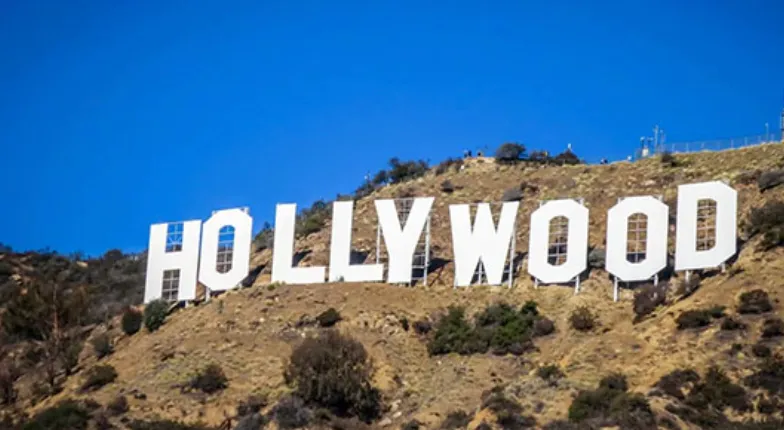
The original Hollywood Sign hike (Mount Hollywood Trail, 6 miles round-trip) is free and the best in-city hike. Drive to Griffith Observatory for sunset and skyline views. Free parking, free entry. TCL Chinese Theatre for the celebrity handprints; Walk of Fame for the stars (more interesting in concept than reality).
Getty Center & Getty Villa
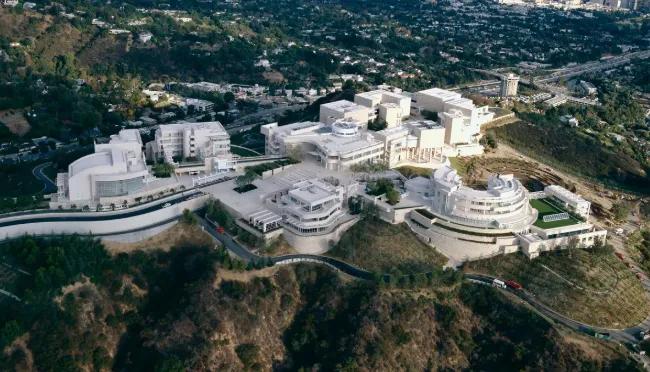
Getty Center (Brentwood). Free entry, $25 parking. The Richard Meier-designed museum on a hilltop with mountain and ocean views. European paintings, 19th-century European photography, the gardens.
Getty Villa (Pacific Palisades). Free entry, $25 parking, timed reservations required. Recreated Roman villa housing pre-Roman, Roman, and Etruscan antiquities.
LACMA (Los Angeles County Museum of Art)
The Urban Light installation (202 vintage Los Angeles street lamps). The Resnick Pavilion. Entry: $25 general; free 4-7pm Friday for LA County residents.
Universal Studios
A working film studio with a theme park attached. The Studio Tour is the actual draw. Day-passes ~$120. Can fill an entire day; book online.
Disneyland
Anaheim, 45 min south. A separate world from the Universal Studios. Paid by the day ($150 entry, more during peak times). Plan a full day or skip.
Where to Eat and Drink
Tacos and Mexican
LA’s defining food. Guisados (multiple locations) for slow-cooked stew tacos. Mariscos Jalisco (Boyle Heights) for shrimp tacos served from a parked truck since 2001. El Tepeyac (East LA) for the Hollenbeck burrito. Tacos 1986 (DTLA) for clean fast-grilled trompo. None of these is in a tourist district. Use Uber/Lyft.
Korean BBQ in Koreatown
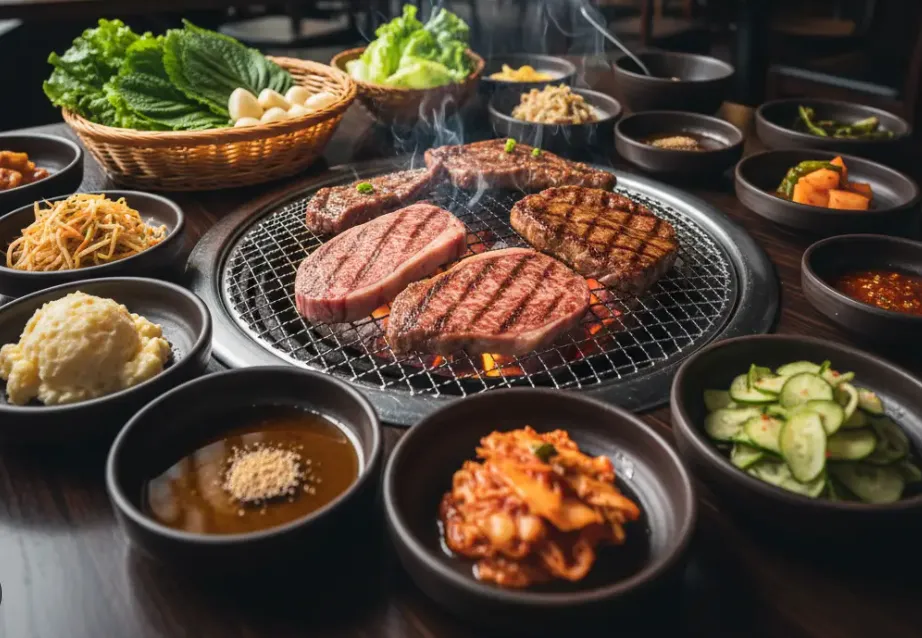
Hangari Kalguksu for noodles. Park’s BBQ (institution since 1980, Best of LA) for premium tabletop BBQ. Quarters Korean BBQ for AYCE BBQ at $35 per person, lunchtime. Koreatown is the largest Korean enclave outside Korea.
Burgers
In-N-Out: California’s defining drive-thru burger chain. Animal Style (extra sauce, grilled onions, mustard-grilled patty) is the off-menu order. $5-7 a burger. Late-night drive-thrus everywhere.
Father’s Office (Santa Monica). Adult burger spot. The “Office Burger” with Gruyère, blue cheese, applewood bacon. $20.
Pizza
LA’s pizza scene has caught up with NYC. Pizzeria Mozza (Hollywood, Mario Batali) and Triple Beam Pizza (Highland Park) are the standards.
High-End Dining
Bestia (Arts District). The most-difficult-to-book restaurant in LA. Italian. Reservations 30 days out at exactly midnight.
Providence (Hollywood). Two Michelin stars. Seafood. $250 tasting menu.
N/Naka (West LA). Niki Nakayama’s kaiseki institution; featured on Chef’s Table. $300, 13 courses. Reservations weeks out.
The Fan Experience
FIFA Fan Festival — Los Angeles: Los Angeles Memorial Coliseum in Exposition Park. The historic 1923 stadium that hosted the 1932 and 1984 Olympics, the 1959 World Series, and three NFL Super Bowls — converted into the Fan Zone for the World Cup. Free entry. Big screens, food trucks, live music.
LA’s Latino fan culture: LA County is 48% Hispanic, with the largest Mexican-American community in the United States. For Mexico’s matches at any 2026 venue, Boyle Heights and East LA will turn into one continuous outdoor party. Mariachi bands, taquerías open until 4am, traffic gridlock on Whittier Boulevard.
Sports bars: Tom Bergin’s (Mid-Wilshire, since 1936, oldest tavern in the city), The Pikey (Hollywood), Beelman’s (DTLA). For specifically football: The Lab Brewing Co. (West LA) is LAFC’s unofficial supporters bar.
Snoop Dogg’s LA
The official Community Chairman for the LA World Cup is Long Beach’s own Snoop Dogg, alongside ambassadors Magic Johnson, Eva Longoria, and Will Ferrell. Expect significant LA cultural programming throughout the tournament — concerts, neighborhood fan zones, and “Grow the Game” clinics in underserved communities. The Long Beach Snoop Dogg connection: Roscoe’s House of Chicken & Waffles on Pico (a Snoop favorite) for fried chicken with maple syrup.
The Story
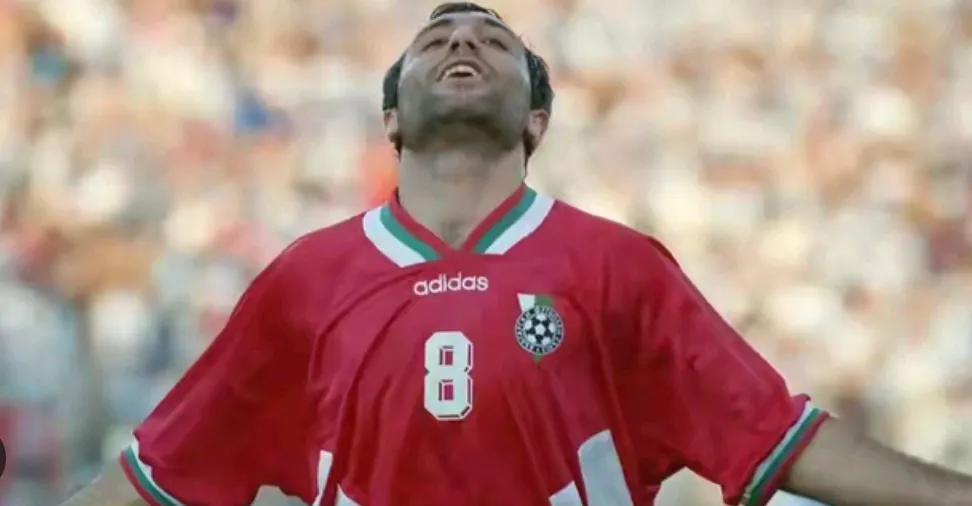
July 17, 1994. Rose Bowl, Pasadena. Brazil vs. Italy, 1994 FIFA World Cup Final.
The Rose Bowl is in Pasadena, 14 miles northeast of where SoFi Stadium would be built 26 years later. On that July afternoon, 94,194 spectators packed the stadium for the World Cup Final — the largest crowd ever for a World Cup Final at that time.
The two teams had reached the Final by very different paths. Brazil, coached by Carlos Alberto Parreira, had a defense built around captain Dunga and an attack featuring Romário (the tournament’s eventual Golden Ball winner) and Bebeto. Italy had limped through the group stage but Roberto Baggio — the Ponytail, then 27 and the world’s best player — had carried them to the Final almost single-handedly. He scored both goals against Nigeria in the Round of 16. Both goals against Spain in the quarterfinal. Both goals against Bulgaria in the semifinal. Five goals in three knockout matches.
The Final was a torpor. 120 minutes. 0-0. Both teams played defensively, exhausted from the heat (the Rose Bowl reading 100°F / 38°C kickoff), neither wanting to be the side that conceded. It was the first World Cup Final in history to be decided by a penalty shootout.
Brazil’s first: Marcio Santos — saved. Italy’s first: Franco Baresi — over the bar. Brazil’s second: Romário — scored. Italy’s second: Demetrio Albertini — scored. Brazil’s third: Branco — scored. Italy’s third: Alberigo Evani — scored. Brazil’s fourth: Dunga — scored, 3-2 Brazil. Italy’s fourth: Daniele Massaro — saved by Taffarel.
It came to Roberto Baggio. To keep Italy alive, he had to score. Otherwise, Brazil would be world champions.
Baggio walked up to the spot. He placed the ball. He had scored five penalties for Italy in this tournament. He was the most reliable penalty-taker on the pitch. He took three steps back. He ran in. He hit the ball over the crossbar.
The image — Baggio standing with his back to the goal, hands on his hips, ponytail dripping, refusing to look at the keeper celebrating — became one of the most reproduced photographs in football history. The man who had carried Italy to the Final missed the penalty that lost the Final.
Baggio later said: “Penalties are only missed by those who have the courage to take them.”
Brazil were World Champions. Their fourth title. Coach Parreira’s record. Romário’s tournament. But the lasting image of the 1994 World Cup is not Romário lifting the trophy. It is Baggio frozen at the spot.
The Rose Bowl is still there. It is the home of UCLA football and was rejected for the 2026 World Cup because of its age (despite hosting the 1994 final and the 1999 Women’s World Cup Final, where the United States beat China on penalties — Brandi Chastain ripping off her shirt). The 2026 Quarterfinal at SoFi on July 10 will be the closest the Los Angeles area comes to repeating that level of consequence.
If you have a free afternoon, drive to the Rose Bowl. The pitch is publicly accessible. Stand at the spot from which Baggio took the most-watched penalty in football history. There’s no plaque. None is needed.