

Quick Reference
| Detail | Information |
|---|---|
| Stadium | Gillette Stadium / Boston Stadium (tournament name) |
| Capacity (WC) | 65,878 (joint-smallest US venue, alongside Hard Rock Miami) |
| Matches hosted | 7 (5 group stage + 1 Round of 32 + Quarterfinal, July 9) |
| Location | Foxborough, Massachusetts — 27 miles / 43 km southwest of Boston |
| Nearest airport | Boston Logan International (BOS) |
| Recommended days | 4 nights |
| Budget level | High |
| Best neighborhoods | Back Bay, Beacon Hill, Cambridge (across the Charles), Seaport, Fenway-Kenmore |
| Avoid | Driving to the stadium without a parking pass; relying on Uber on match days |
| Currency | US Dollar (USD) |
| Tap water | Safe to drink. |
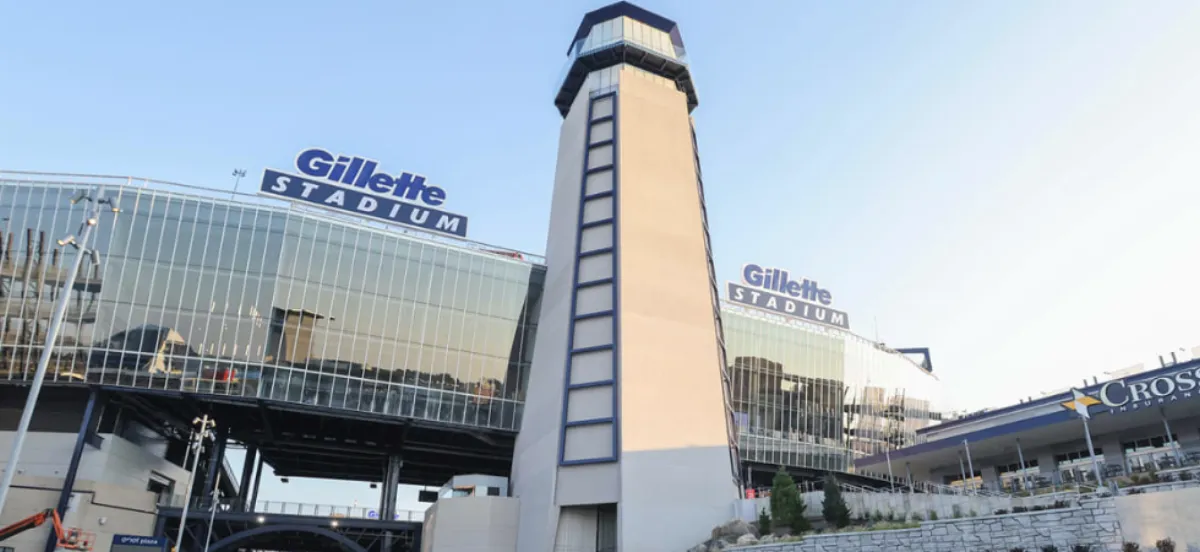
The easternmost venue of the 2026 World Cup. England plays Ghana at Gillette on June 23, France plays Norway on June 26, and a July 9 quarterfinal caps Boston’s tournament. The stadium is in Foxborough — a small town 27 miles south of Boston that nobody outside New England has heard of, anchored by the Patriot Place complex and the new 22-story Lighthouse tower. The grass where, on June 25, 1994, Diego Maradona played his final World Cup match — a 2-1 Argentine win over Nigeria, after which he failed his drug test and was banned. Here is how to land in Boston for June 13, 2026, and understand a city that combines the oldest American history with the newest American soccer culture.
The Stadium
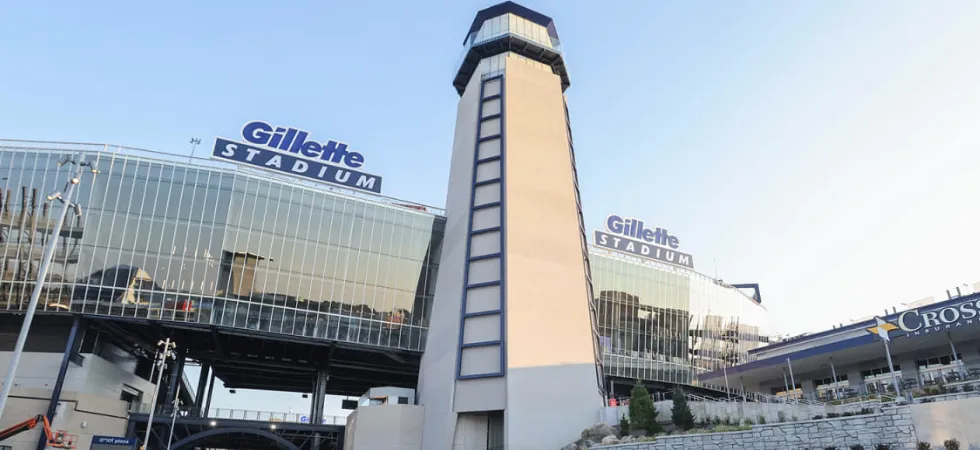
Gillette Stadium opened on September 9, 2002, replacing the original Foxboro Stadium (1971-2002) on the same site. The Patriots’ previous home, Foxboro Stadium, hosted six matches at the 1994 World Cup — including a quarterfinal — but had aged into a concrete bowl unfit for modern football. The replacement was financed entirely by the Kraft family, owners of the Patriots and the New England Revolution; it cost approximately $325 million to build.
For 2026, FIFA renames the stadium Boston Stadium for the duration of the tournament — despite the venue’s actual location in Foxborough, 27 miles from downtown Boston. The natural grass field is permanent (unlike SoFi or AT&T conversions), which simplified the World Cup preparation considerably.
The dramatic transformation came in 2023, with a $250 million renovation that added the venue’s signature feature: the 22-story Lighthouse tower at the north end — a 360-degree observation deck visible from miles away, the tallest structure between Boston and Providence. Adjacent to the Lighthouse is the largest outdoor curved video board in the United States (22,000 sq ft / 2,044 m²). The renovation also added the G-P Atrium (49,500 sq ft of premium space), redesigned circulation, and the now-permanent Patriots Hall of Fame.
The stadium sits on the Patriot Place campus — a 1.3 million sq ft mixed-use development with restaurants, shops, hotels, a movie theater, and the Patriots’ practice facility. On non-match days the campus operates as a regional shopping destination; on match days it becomes the staging ground for tens of thousands of fans.
The seven matches scheduled here:
- June 13 — Haiti vs. Scotland (Group C) — Scotland’s World Cup return after 28 years
- June 16 — Playoff Winner vs. Norway (Group I)
- June 19 — Scotland vs. Morocco (Group C)
- June 23 — England vs. Ghana (Group L)
- June 26 — Norway vs. France (Group I)
- June 30 — Round of 32
- July 9 — QUARTERFINAL
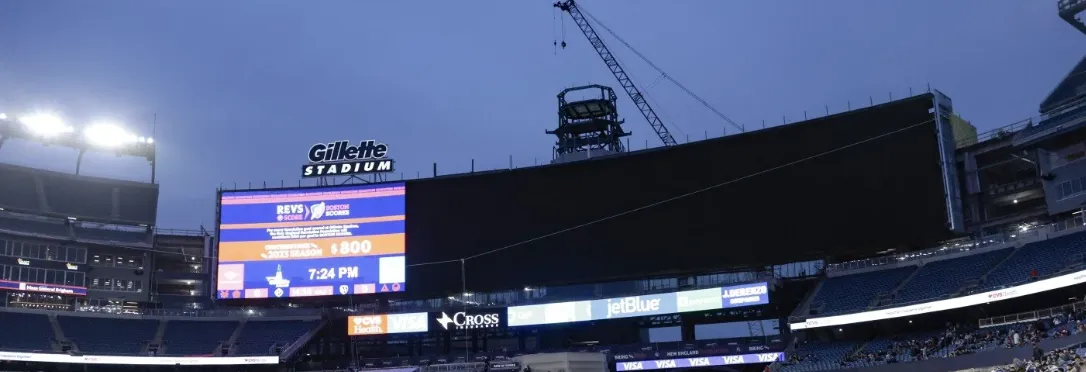
The June 23 England-Ghana match is the headline group fixture. England is in Group L; Ghana qualified through African elimination as winners of Group I. New England’s substantial British expat community will be joined by inbound English supporters from the New York/New Jersey area; tickets resold for $1,800-2,500 within a week of the schedule release.
The June 13 opener — Scotland’s first World Cup match in 28 years — is the more emotionally consequential. Scotland last played at France 1998. Their qualification, sealed in November 2025, was the most-watched televised event in Scottish history.
Getting There
From Boston Logan International Airport (BOS) to the Stadium
BOS is 35 miles / 56 km northeast of Gillette Stadium — Logan is northeast of Boston, the stadium is southwest, so they’re on opposite sides of the metro. Travel time is 45-60 minutes in normal traffic, 75-120 minutes on match days.
The MBTA Commuter Rail is the recommended option — and the only practical public transit:
- Franklin/Foxboro Line or Providence/Stoughton Line from Boston South Station to Foxborough Station (adjacent to the stadium)
- Service runs only on event days — special service activated for matches
- Total time: 60-75 minutes from South Station | Cost: ~$10-15 round trip
- Trains depart 2-3 hours before kickoff; return trains queue for 60-90 minutes after the final whistle
Getting from Logan Airport to South Station: Silver Line bus (free at the airport, $2.40 standard) — 20-30 minutes — then transfer to the commuter rail.
By rideshare (Uber/Lyft): $80-130 from downtown Boston in normal traffic, $150-250 on match days with surge pricing. Drop-off zones are far from the stadium gates — and rideshare pick-up after matches is notoriously dysfunctional. Avoid this option for the return trip.
By driving: Patriot Place has parking but passes must be pre-booked. Walk-up parking is non-existent for World Cup matches. Standard rates: $50-80, premium World Cup rates expected $100-200. Surrounding neighborhoods enforce no-parking strictly.
Critical Boston advice: Boston is not Foxborough. The two are separate places. If you want a Boston experience — restaurants, museums, walking — stay in Boston and commute to the stadium. There is nothing walkable in Foxborough beyond Patriot Place.
Visa & Entry
Standard US rules. VWP countries: ESTA required. Visa-required countries (Brazil, China, India, Russia, Mexico, Argentina) should apply 6+ months in advance.
Logan Airport is much smaller than JFK or LAX. Immigration lines on match days will run 30-60 minutes for non-Global Entry holders — manageable, but plan for it.
Where to Stay
| Neighborhood | Train/Drive to Stadium | Double Room/Night | Vibe | Best For |
|---|---|---|---|---|
| Back Bay | 75 min by train | $300-550 | Brownstones, Boylston Street, the iconic Boston | Best overall — classic Boston experience |
| Beacon Hill | 75 min by train | $350-600 | Cobblestones, gas lamps, oldest neighborhood | History buffs, splurge travelers |
| Seaport | 75 min by train | $280-450 | New harbor district, restaurants, ICA Museum | Foodies, modern travelers |
| Cambridge (Harvard Sq) | 75 min by train + walk | $250-400 | Harvard, MIT, college bookshops, casual | Academic atmosphere, lighter on the wallet |
| Fenway-Kenmore | 75 min by train | $200-380 | Fenway Park, college bars, Red Sox energy | Baseball fans, mid-budget |
| Foxborough/Norwood (matchday only) | 15-30 min by car | $200-350 | Suburban, near stadium | Match-only stays, no city character |
Back Bay is the smart default for first-timers. Walking distance to the Public Garden, Boston Common, the Freedom Trail starting points, the Charles River esplanade, and Newbury Street’s restaurants. From Back Bay Station, the commuter rail goes straight south to Foxborough on match days. Hotels: Copley Square ($320), Lenox ($380), Mandarin Oriental ($700), Hampton Inn Boston ($220).
Cambridge is the underrated pick. Across the Charles River from Boston proper, in Harvard Square you get the academic energy without the corporate downtown feel. The Red Line of the T connects Harvard Square to South Station in 15 minutes for the World Cup commuter rail. Hotels: Charles Hotel ($420), Harvard Square Hotel ($280), Sheraton Commander (~$350).
What to avoid: Hotels marketed as “Boston” but actually in Quincy, Braintree, or Revere — these add 30-60 minutes to your downtown commute and offer none of Boston’s character. Read addresses carefully before booking.
Hotels at Patriot Place itself (Renaissance Boston Patriot Place at the stadium grounds) are convenient for matchdays but isolating for the rest of the trip — you’ll Uber to and from Boston for every meal. Suitable only for fans who plan to attend multiple matches and skip city sightseeing.
Book by April 15. The June 23 England-Ghana match has spiked Back Bay hotel demand — 80% booked for that week as of April. The July 9 quarterfinal week (early July) is also tight.
Beyond the Stadium
The Freedom Trail
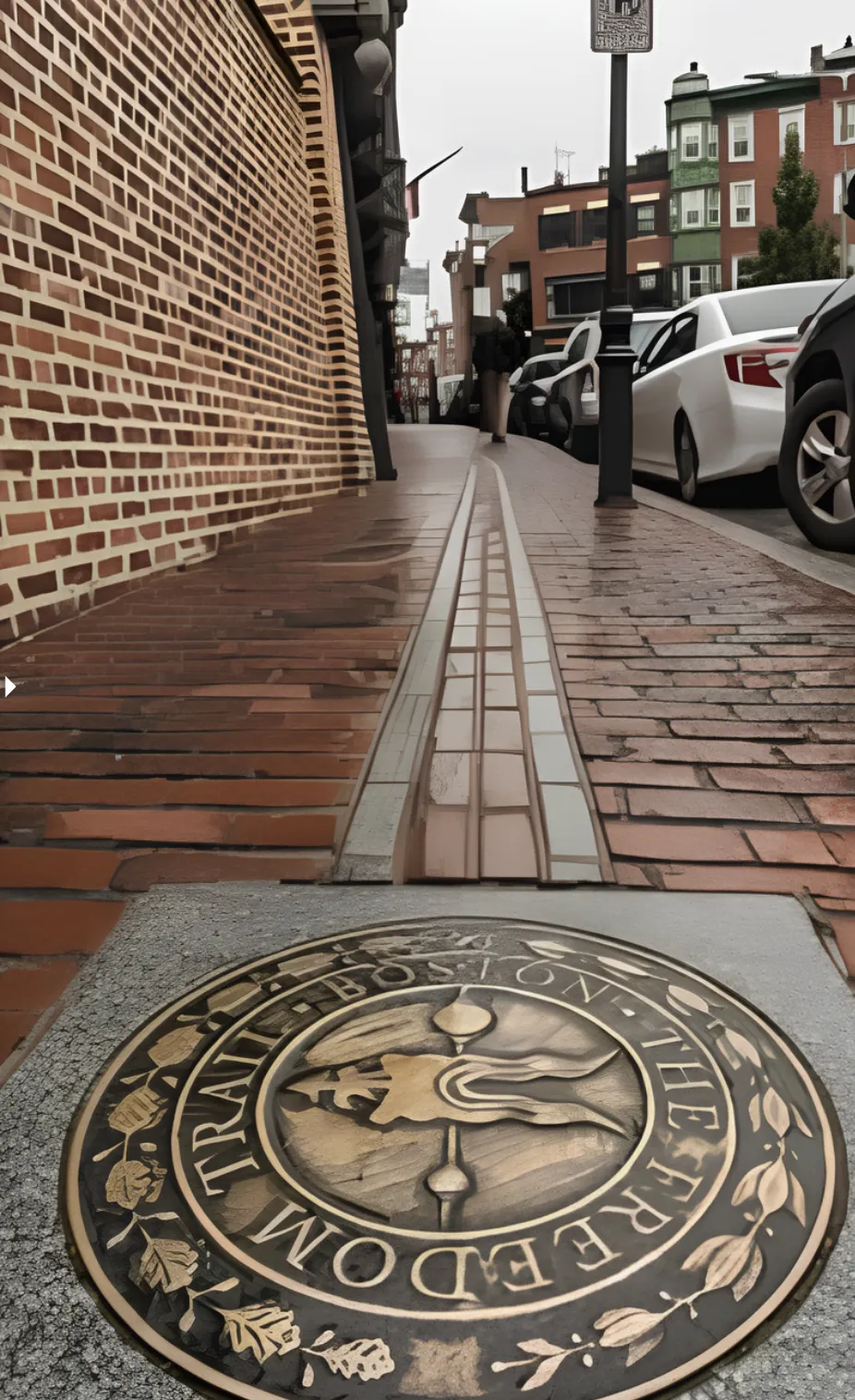
The 2.5-mile red brick line through downtown Boston, connecting 16 colonial-era sites — Boston Common, Massachusetts State House, Granary Burying Ground (Paul Revere, John Hancock, Sam Adams), Old North Church (the lanterns of Paul Revere’s Ride), Bunker Hill Monument, USS Constitution. Free, self-guided. Allow a half-day. Audio tour apps available.
Museum Day
Museum of Fine Arts (Fenway). One of the great encyclopedic museums in America — Egyptian collection, French Impressionists, the Art of the Americas wing. $27 entry.
Isabella Stewart Gardner Museum (Fenway). Replica Venetian palace built in 1903 to house Mrs. Gardner’s idiosyncratic art collection. The 1990 unsolved theft of 13 paintings (including Vermeer’s The Concert, the most valuable stolen painting in history) is part of the museum’s permanent narrative. $20 entry; free admission for visitors named “Isabella”.
Harvard Art Museums (Cambridge). Three combined museums in one Renzo Piano building — Fogg, Busch-Reisinger, and Sackler. $20 entry; free Wednesdays.
Fenway Park
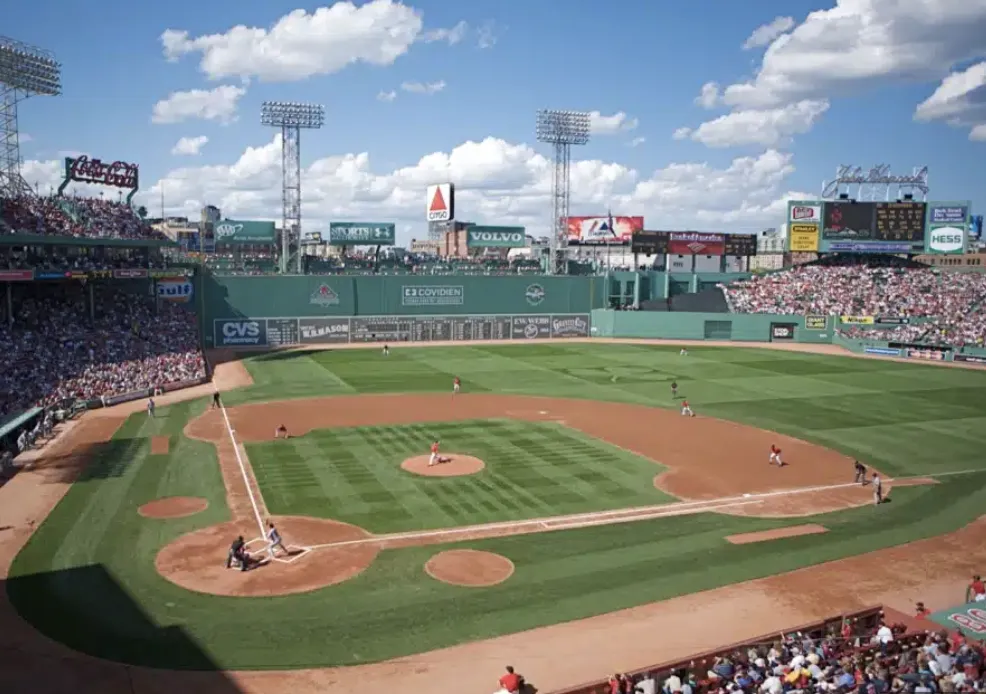
The oldest active Major League Baseball park (1912). Tour the Green Monster ($25 with ticket). If the Red Sox are home, attend a game — the Boston Red Sox play June 13-15 and June 23-26 against the Phillies and Yankees respectively, conveniently coinciding with World Cup matches. Tickets: $40-200.
Cambridge: Harvard and MIT
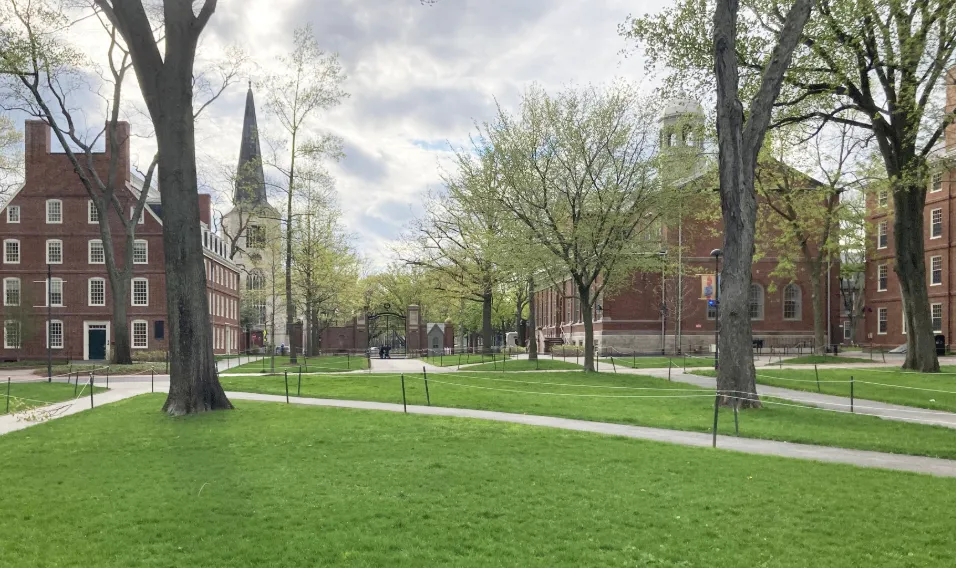
Walk Harvard Yard. John Harvard’s statue — students rub his foot for luck. Visit the Harvard Art Museums. Walk along the Charles River to MIT — the Stata Center (Frank Gehry) and Media Lab are publicly accessible.
Walking the Charles
The Esplanade runs from the Museum of Science to the BU Bridge. Bike rentals at multiple Bluebikes stations ($4 daily pass). Best in early evening.
Day Trips
Salem (45 min north): Witch Trials Memorial, Peabody Essex Museum.
Cape Cod (90 min south): Provincetown is the destination — beach, dunes, LGBTQ+ history. Make this a 2-day trip if attending only one match.
Where to Eat and Drink
New England Seafood

Neptune Oyster (North End). The institution. Lobster roll cold (mayo) or hot (butter) — both perfect. $32 lobster roll. No reservations; expect 60-90 min wait at peak.
Saltie Girl (Back Bay). Modern coastal restaurant. Tinned fish bar. Lobster Cobb salad. $50-70 per person.
Eventide Oyster Co. (Fenway). Portland, Maine import. The brown butter lobster roll is the destination order. $30.
Italian: The North End
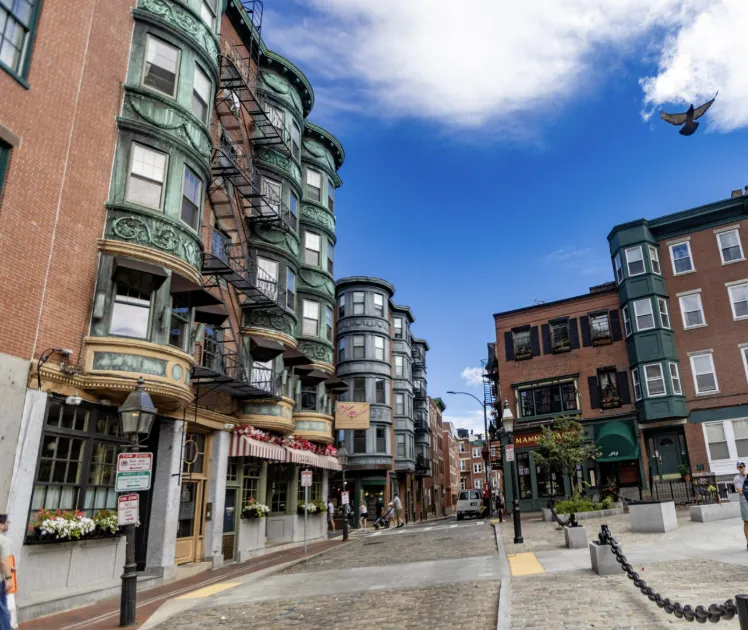
The North End is Boston’s Little Italy — narrow streets, family-run restaurants, the smell of garlic in every direction. Mike’s Pastry for cannoli (cash only, the line is the experience). Modern Pastry is the locals’ alternative. Giacomo’s for handmade pasta (no reservations, cash only). Carmen (Hanover Street) for the pre-fixe.
New England Comfort Food
Union Oyster House (Government Center, since 1826). The oldest restaurant in continuous operation in the United States. JFK had a regular booth on the second floor. Clam chowder, oysters, scrod. $40 per person.
Legal Sea Foods (multiple locations). Boston’s casual seafood chain — clam chowder is a signature.
Cambridge
Alden & Harlow (Harvard Square). New American small plates. The “secret burger” is genuine. $60-80.
Oleana (Cambridge, Inman Square). Mediterranean-Middle Eastern. Ana Sortun’s flagship. $80 tasting menu.
High-End Dining
No. 9 Park (Beacon Hill). Barbara Lynch’s flagship. Modern American with French foundation. $145 tasting menu.
Menton (Seaport). Modern French. Two Michelin stars (when Michelin operated in Boston). $200+.
The Fan Experience
FIFA Fan Festival — Boston: City Hall Plaza in downtown Boston — open for only 16 days during the tournament. Free entry. Big screens, food trucks, live music. Note the Plaza is a divisive piece of brutalist architecture; locals love-hate it.
Sports bars: The Greatest Bar (West End, near TD Garden — primarily a Bruins/Celtics venue but soccer-friendly), Phoenix Landing (Cambridge, the city’s most authentic English-style football pub), The Banshee (Dorchester, Irish soccer crowd, watching parties for Ireland), The Globe Bar & Cafe (Back Bay, multinational fan crowds).
New England Revolution culture: The MLS team plays at Gillette Stadium under the same Kraft Sports ownership. The Revolution’s supporters group, The Midnight Riders, gathers on match days at The Banshee in Dorchester before driving to Foxborough together. For 2026 World Cup, expect Revolution fans to integrate with the visiting English/Scottish supporters at any matches involving British nations.
Brazilian fan culture: Greater Boston has the largest Brazilian population in the northeastern United States, concentrated in Framingham, Everett, and Somerville. Brazilian-Portuguese restaurants, churrascarias, and bars in these towns will be the unofficial Brazilian fan zones during their group matches in Miami and East Rutherford.
The Story
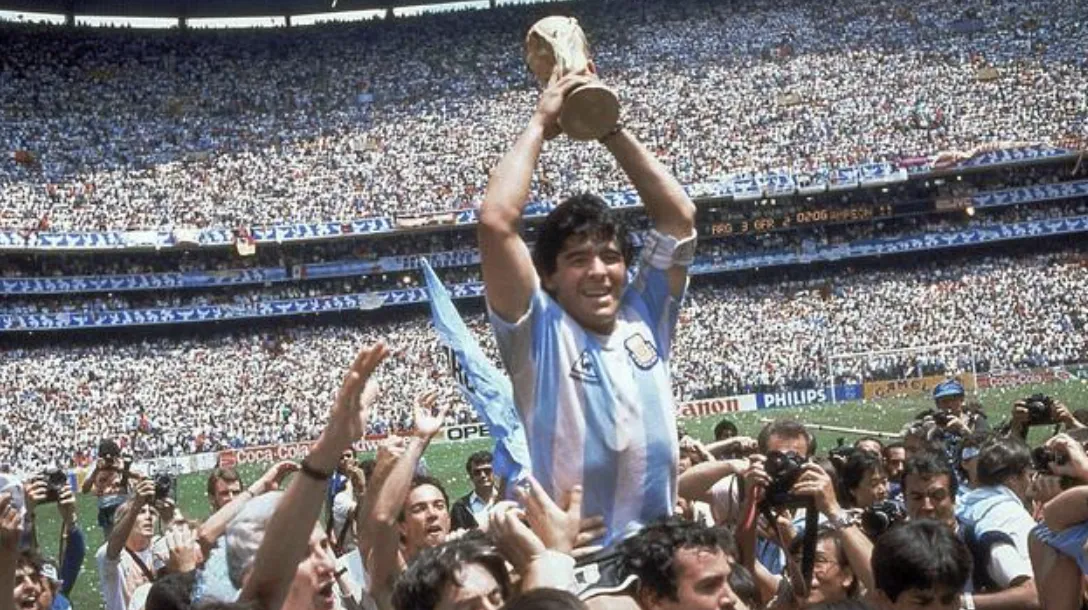
June 25, 1994. Foxboro Stadium, Foxborough. Argentina 2-1 Nigeria. 1994 FIFA World Cup, Group D.
Foxboro Stadium was the predecessor of Gillette Stadium — same site, demolished in 2002. It hosted six matches at USA 1994: four group stage matches plus a Round of 16 and a quarterfinal.
Diego Maradona was 33 years old. He had been suspended from football for 15 months (1991-1992) after testing positive for cocaine in Italy. He had been retired from international football. Then, in 1993, he had agreed to come back — to lead Argentina at the World Cup in the United States. The Argentines had wobbled through qualification; Maradona was their last hope.
He was magnificent in the opening match. June 21, 1994. Foxboro Stadium. Argentina 4-0 Greece. Maradona scored a sensational goal in the 60th minute — a curled left-footed shot from outside the box into the top corner. He sprinted to the touchline cameras, eyes wide, screaming into the lens. The image — Maradona’s face filling the frame, a primal celebration — is one of the most iconic in football photography. He was 33 and could still play at the highest level.
June 25, 1994. Foxboro Stadium. Argentina vs. Nigeria. Maradona again. He set up Claudio Caniggia for two goals in the first half. Argentina led 2-1 at the break. Maradona was substituted in the second half — an unusual decision, met with confusion from the broadcasters.
After the match, Maradona was selected for a routine FIFA drug test.
The result came back positive for ephedrine — a banned stimulant. FIFA, through team doctor Carlos Bilardo’s claim that “an over-the-counter cold medicine” was responsible, did not buy the explanation. Five different ephedrine compounds were detected in Maradona’s urine sample, the kind of cocktail produced by deliberate stimulant use, not a single cold medicine.
Maradona was banned from the rest of the World Cup. Argentina, without him, lost their next match 2-0 to Bulgaria, and were eliminated in the Round of 16 by Romania.
Maradona never played a World Cup match again. He was 33 years old. The Foxboro Stadium pitch on June 25, 1994 was his last match. The Argentine 1994 World Cup team — described before the tournament as one of the favorites — collapsed entirely without him.
The story has a postscript that complicates it. Maradona later argued that the ephedrine was a deliberate setup — that he had been targeted by FIFA leadership to remove a player whose political views (he was an open Castro supporter, a critic of the United States) and whose unpredictability made him an inconvenient star. No proof of the conspiracy theory has ever emerged. The five-compound ephedrine cocktail is hard to explain as anything other than deliberate stimulant use.
But the broader story — that Diego Maradona’s career as the world’s best player ended at Foxboro Stadium, in the same town where Gillette Stadium now stands — is true. He played for another four years at club level. He attempted no further national team match. He died on November 25, 2020 at the age of 60. The image of his celebration against Greece, screaming into the camera at Foxboro on June 21, 1994, remains the closing frame of his career.
Foxboro Stadium was demolished in 2002. Gillette Stadium occupies the same plot of land. The pitch where Maradona played his final World Cup match is now a parking lot, approximately, between the Lighthouse and the new stadium.
When England plays Ghana at Gillette Stadium on June 23, 2026, exactly 32 years and 1 day after Maradona’s last World Cup match, Cristiano Ronaldo — playing his last World Cup, at 41, in his Portugal kit — will be in Miami the same week. The image of Maradona screaming into the Foxboro camera, set against the eventual image of Ronaldo and Messi making their respective final tournament steps, is the connective thread of three decades of World Cup football.
The Lighthouse tower at the new Gillette Stadium can be visited for $20. The 360-degree observation deck offers views to Boston, to Providence, and on a clear day, to the place where Maradona stood the day before he was banned. The deck does not have a plaque commemorating June 25, 1994. None is needed.