



Quick Reference
| Detail | Information |
|---|---|
| Stadium | Hard Rock Stadium / Miami Stadium (tournament name) |
| Capacity (WC) | 65,326 (joint-smallest US venue) |
| Matches hosted | 7 (4 group stage + 1 Round of 32 + 1 Quarterfinal + Third-Place Final, July 18) |
| Location | Miami Gardens, Florida, 347 Don Shula Drive |
| Nearest airport | Miami International (MIA) or Fort Lauderdale-Hollywood (FLL) |
| Recommended days | 5 nights |
| Budget level | High (very expensive in summer high season) |
| Best neighborhoods | South Beach, Wynwood, Brickell, Coconut Grove, Aventura |
| Avoid | Skipping rideshare on match days; some Miami Gardens streets at night |
| Currency | US Dollar (USD) |
| Tap water | Safe to drink. |
The closest 2026 venue to Latin America. Brazil plays Scotland here on June 24, Portugal-Colombia on June 27, and the Third-Place Final on July 18 caps Miami’s tournament — the day before the Final at MetLife. The Hard Rock Stadium pitch where, on July 14, 2024, Lionel Messi limped off in tears at the 66th minute of the Copa América Final. The city of beaches, art deco, Cuban food, and 4am clubs — and the most South-American American city in the United States. Here is how to land in Miami for June 15, 2026, and understand a place where Spanish is the working language of half the population.
The Stadium
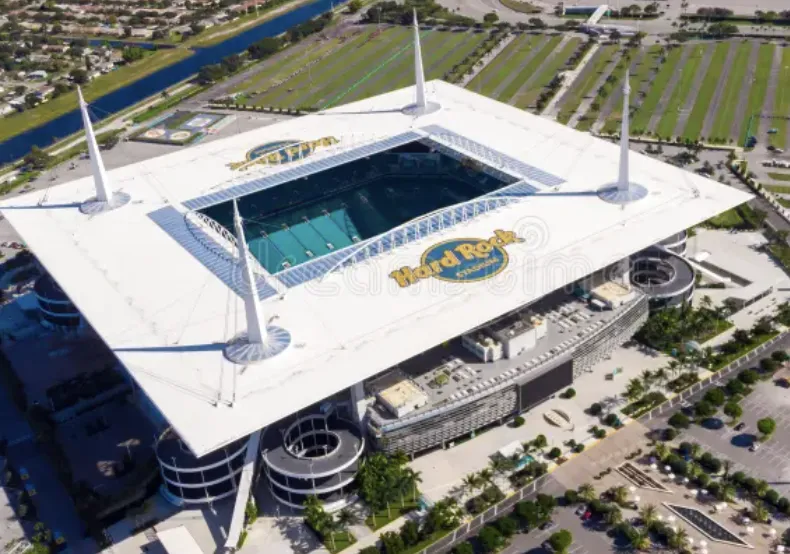
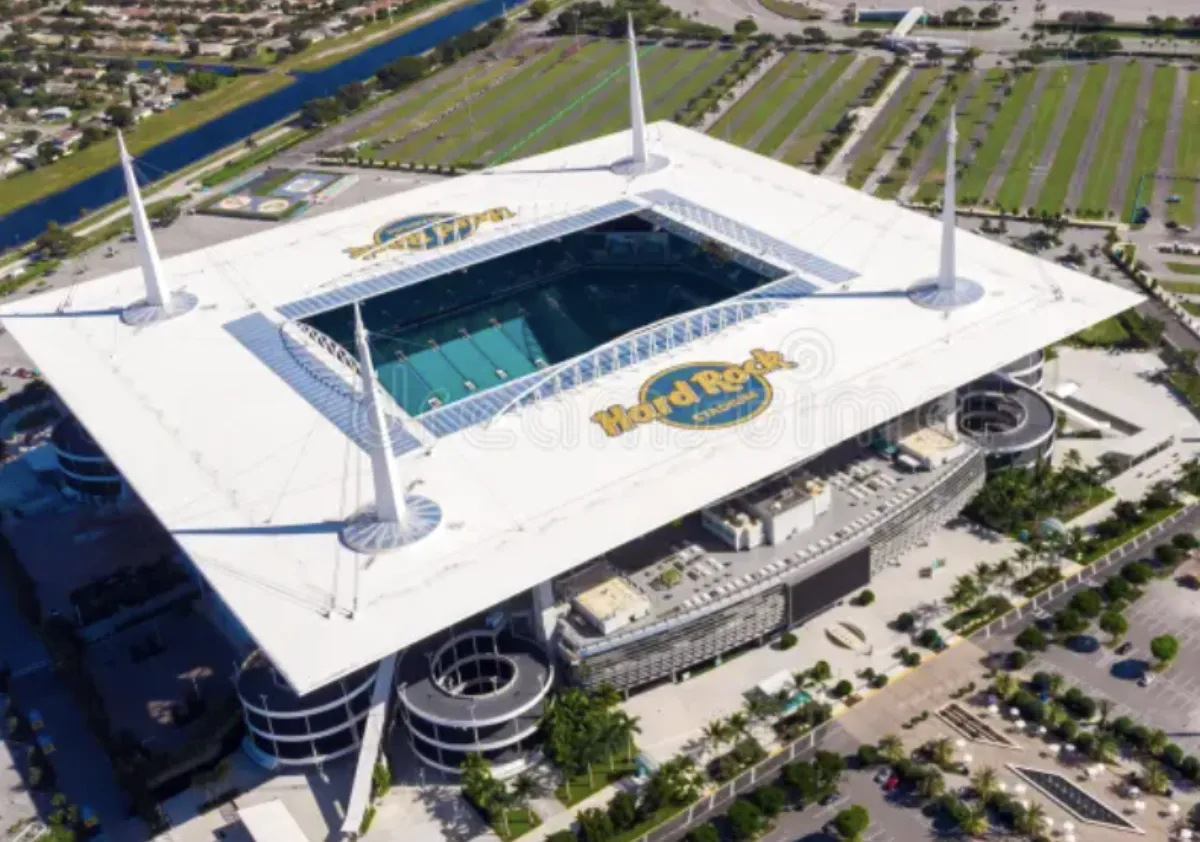
Hard Rock Stadium opened on August 16, 1987, originally as Joe Robbie Stadium for the Miami Dolphins NFL franchise. It was the first NFL stadium financed entirely with private funds. Across nearly four decades, it has hosted six Super Bowls, two World Series (when the Florida Marlins played here from 1993-2011), the 2024 Copa América Final, and dozens of major concerts. The venue is in Miami Gardens — a separate city from Miami proper, 16 miles north of downtown Miami, sitting roughly halfway between Miami and Fort Lauderdale.
A $500 million renovation completed in 2016 transformed the original concrete stadium. The most visible addition was a canopy roof covering the seating bowl while leaving the field uncovered — Miami’s brutal afternoon sun is the reason. Capacity dropped from 75,000 (post-1987 expansion) to 65,326 for soccer, with the lower bowl reconfigured for FIFA-standard pitch dimensions. Two video boards in each corner, party terraces, and a SkyView gondola ride along the southern exterior were added. Naming rights were sold to Hard Rock International (owned by the Seminole Tribe of Florida) in 2016.
For 2026, FIFA renames the stadium Miami Stadium. The natural Bermuda grass pitch — already in place for Dolphins and University of Miami games — required minimal modification beyond standard FIFA pitch maintenance. Unlike the SoFi or AT&T conversions, Miami’s was straightforward.
The stadium sits in a vast parking lot ocean — there are 27,000 parking spaces on site. Around the stadium grounds is the Miami International Autodrome, the temporary Formula 1 track used for the F1 Miami Grand Prix each May. The track will be partially deconstructed for the World Cup but remnants will be visible.
The seven matches scheduled here:
- June 15 — Saudi Arabia vs. Uruguay (Group H)
- June 21 — Uruguay vs. Cape Verde (Group H)
- June 24 — Scotland vs. Brazil (Group L) — Scotland’s first World Cup match on US soil since 1994
- June 27 — Portugal vs. Colombia (Group F)
- July 3 — Round of 32
- July 11 — Quarterfinal
- July 18 — THIRD-PLACE FINAL (the day before the Final at MetLife)
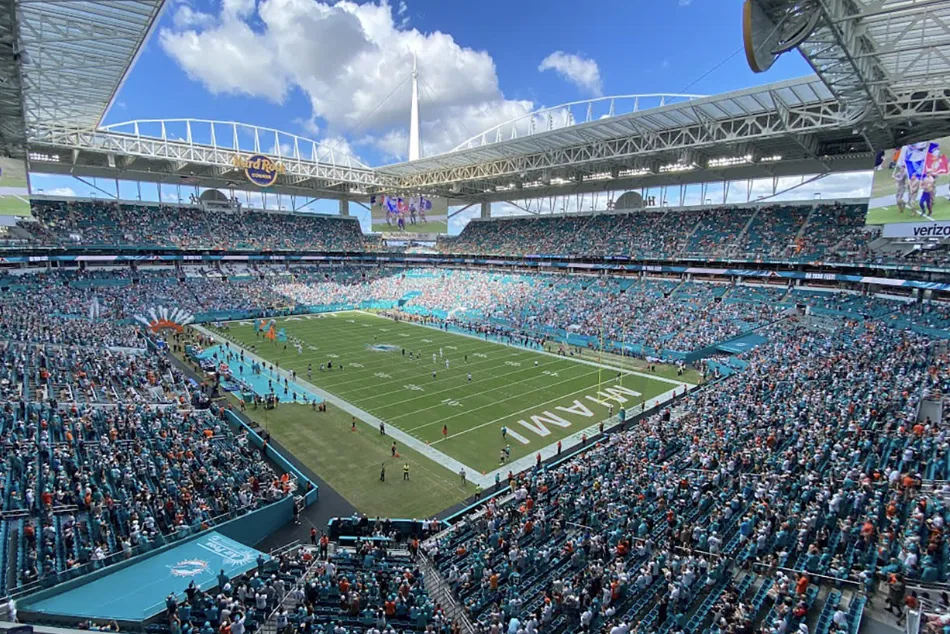
The June 27 Portugal-Colombia match is the headline. Cristiano Ronaldo, 41 by then, has confirmed this will be his last World Cup. James Rodríguez and Luis Díaz lead a Colombia generation that has not played in a World Cup knockout round since 2018. The third-place final on July 18 takes place 24 hours before the championship match in New Jersey — a contest between two semifinal losers, often more open and goal-rich than the final itself.
Getting There
Two Airport Options
Miami metro is served by two major airports:
- Miami International (MIA) — 25 miles south of the stadium, 30-50 minutes by car
- Fort Lauderdale-Hollywood (FLL) — 14 miles north of the stadium, 20-30 minutes by car
For most international fans, MIA is the natural choice (more international flights, more direct connections from Latin America and Europe). For US-based domestic travelers, FLL is often cheaper and closer to the stadium.
Getting to the Stadium on Match Days
Miami Gardens has limited public transit — this is a significant difference from Atlanta or NY/NJ. The stadium is car-dependent.
Brightline (the recommended option for fans staying in Miami or Fort Lauderdale):
- Brightline is the high-speed intercity rail connecting Miami, Fort Lauderdale, West Palm Beach, and Orlando
- For matchday: take Brightline to Aventura Station (south of the stadium)
- From Aventura, take shuttles or rideshare the final 4 miles to the stadium
- Roundtrip from Miami Central to Aventura: ~$25 per person, plus 15 minutes of transit
Metrorail + Metrobus:
- Metrorail from MIA airport (or downtown Miami) to Golden Glades Station
- Transfer to Metrobus 297 to the stadium
- Total time: 60-90 minutes from MIA
- Cost: ~$5
By rideshare (Uber/Lyft): $30-50 from downtown Miami in normal traffic, $80-150 on match days. Fort Lauderdale is closer and cheaper. Drop-off zones on event days are at designated lots — expect a 10-minute walk.
By driving: 27,000 parking spaces. Pre-book through Honk or stadium official site for $40-100. Walk-up is usually possible 4 hours before kickoff at outer lots.
Critical Miami advice: Florida summer thunderstorms are a daily afternoon occurrence. Carry a poncho to every match. Match days in late June will reach 95°F (35°C) with 80%+ humidity. Hydrate.
Visa & Entry
Standard US rules. VWP countries: ESTA required. Visa-required countries (Brazil, China, India, Russia, Mexico, Argentina) should apply 6+ months in advance.
MIA is the busiest airport for Latin American flights in the United States. If you’re coming from Brazil, Argentina, Colombia, Chile, or anywhere in Central America, expect this to be the primary US entry point. Immigration lines on match days will run 60-120 minutes for non-Global Entry holders.
Where to Stay
Miami is expensive in summer — hurricane season pricing has not deterred World Cup demand. Hotel rates are 60-100% above March-November averages.
| Neighborhood | Drive to Stadium | Double Room/Night | Vibe | Best For |
|---|---|---|---|---|
| South Beach (Miami Beach) | 35-50 min | $300-700 | Beach, Art Deco district, nightlife, Lincoln Road | The iconic Miami experience |
| Brickell (Downtown Miami) | 30-40 min | $250-450 | Skyline, urban, business district, walkable | First-time visitors who want city + beach |
| Wynwood / Design District | 30-40 min | $200-380 | Street art, hipster, restaurant scene | Culture seekers, design lovers |
| Coconut Grove | 35-45 min | $230-400 | Old Miami, leafy, marinas, family-friendly | Quieter pace, families |
| Aventura | 10-15 min | $220-380 | Mall culture, condo towers, near stadium | Closest practical option to stadium |
| Fort Lauderdale (Beach) | 20-30 min | $200-400 | Less hectic than Miami Beach, beach access | Match-focused, calmer pace |
South Beach is the smart pick if you want the iconic Miami experience and don’t mind the matchday commute. The Art Deco Historic District (1,200 buildings) is the largest concentration of 1920s-1940s architecture in the world. Hotels: The Standard ($450), The Setai ($1,200, ultra-luxury), Surfcomber ($320), The Clay ($280, hostel-boutique).
Brickell is the right call for fans who want urban Miami. Walking distance to Mary Brickell Village, Brickell City Centre (mall), and the metro. Miami’s downtown skyline is here. Hotels: Mandarin Oriental ($700), citizenM ($280), the Brickell Marriott (~$320).
Aventura is the underrated pick for World Cup-focused fans. It’s halfway between Miami and Fort Lauderdale, has the Aventura Mall (the third-largest mall in the US), and the Brightline Aventura Station is a 5-minute walk to the stadium shuttle service. Hotels are 30-40% cheaper than South Beach equivalents.
What to avoid: Hotels listed as “Miami” but actually in Hialeah, Opa-Locka, or unincorporated Miami-Dade County north of NW 50th Street. Miami is a sprawling metro and many addresses pretend to be in better neighborhoods than they are. Read addresses carefully.
Book by April 1. The July 18 third-place final has driven hotel demand for the second-to-last week of July (paired with the Saturday-Sunday MetLife final the next day). South Beach hotels are 90% booked for that week as of April. Aventura is 65% booked.
Beyond the Stadium
South Beach + Art Deco
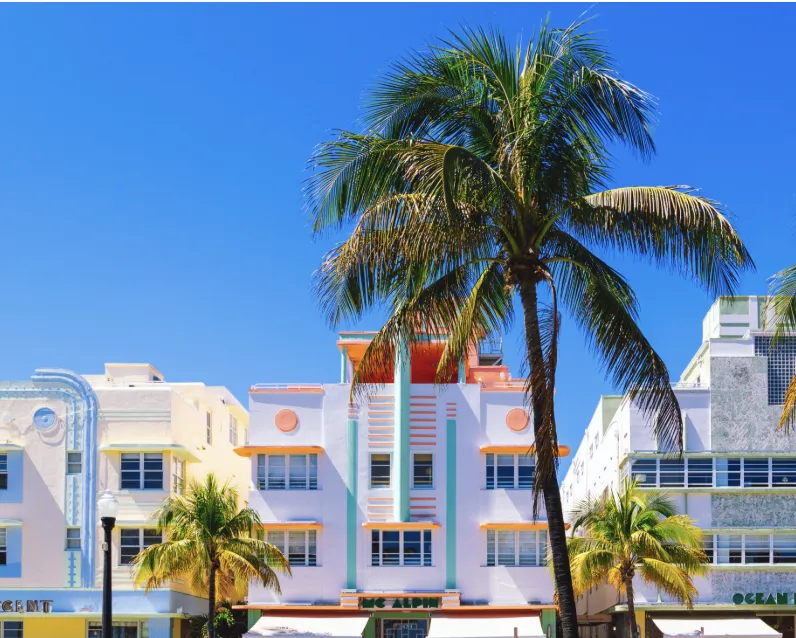
Walk Ocean Drive between 5th and 15th Streets for the most photographed Art Deco buildings in the world — neon-lit at night, pastel-painted by day. The Wolfsonian-FIU Museum has Art Deco furniture and design. Lincoln Road (a few blocks west) is the pedestrian shopping street with restaurants, boutiques, and a Sunday farmers market.
Wynwood Walls
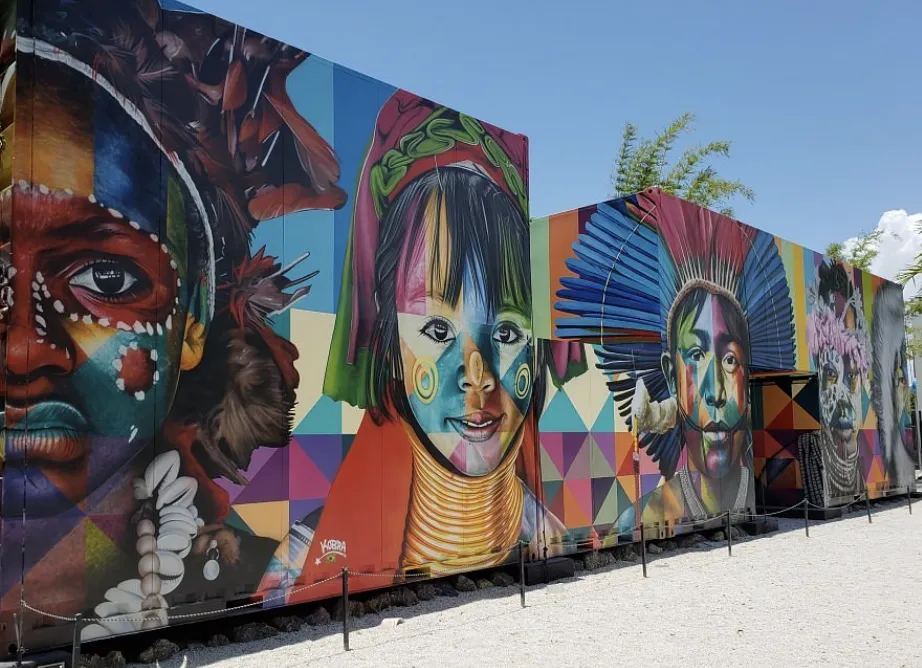
The largest concentration of street art and murals in the United States. The Wynwood Walls core (NW 2nd Ave) charges $25 entry; the surrounding 30+ blocks are free and rotate constantly. Best at golden hour — late afternoon when the sun is low.
Little Havana
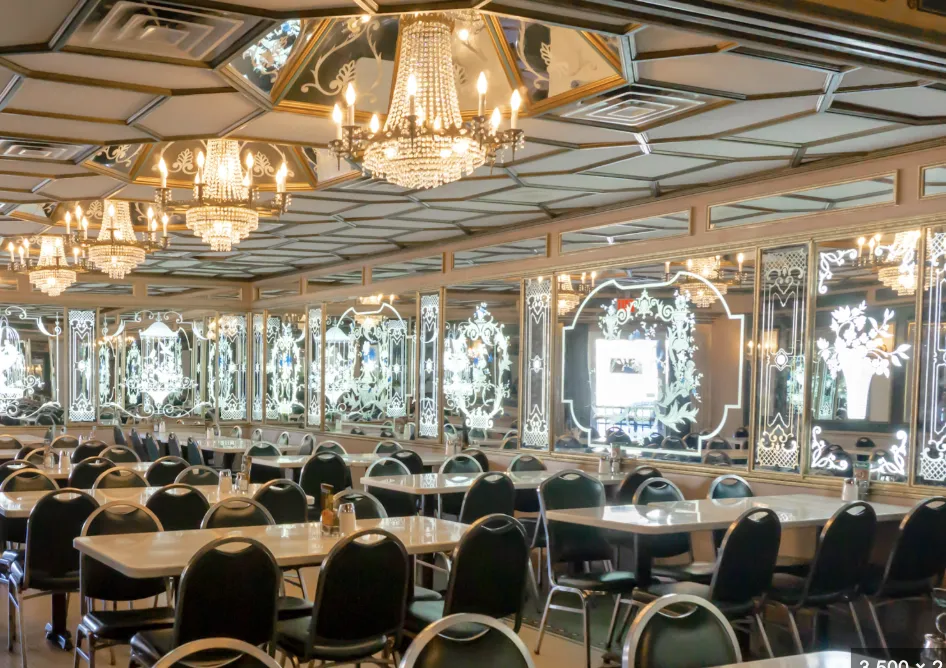
Cuban-American cultural heart of Miami. Calle Ocho (8th Street) between SW 12th and 27th Avenues. Domino Park (where elderly Cuban men play dominos), El Patio (the cigar rolling shop), Versailles Restaurant (since 1971) for ventanita Cuban coffee at the walkup window.
The Vizcaya Museum
A 1916 Italian Renaissance villa on Biscayne Bay, surrounded by 10 acres of formal gardens. Mansion of industrialist James Deering. $22 entry. Best in the morning; closes at 4:30pm.
Everglades National Park
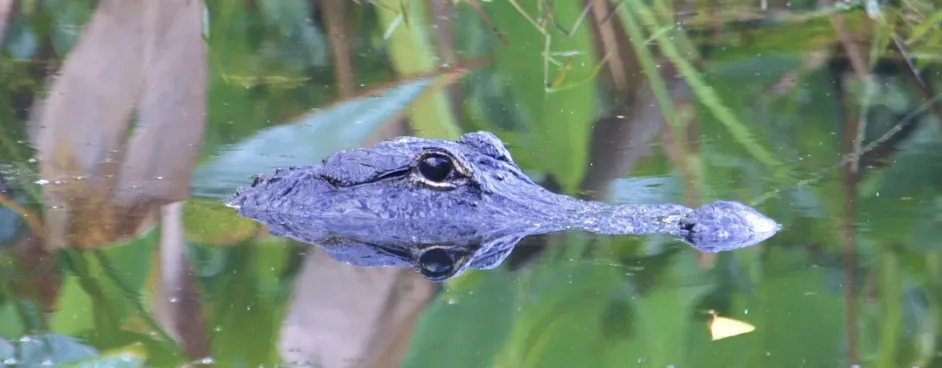
90 minutes southwest of Miami. Shark Valley (the most accessible entrance) has a 15-mile loop trail through alligator habitat. Bike rentals at the entrance. Anhinga Trail at the Royal Palm visitor center is the easiest alligator-viewing walk in the park.
Key Largo / Florida Keys
90 minutes south, Key Largo is the start of the Florida Keys archipelago. Pennekamp State Park has the only living coral reef in the continental United States. Glass-bottom boat tours and snorkeling.
Where to Eat and Drink
Cuban Food — Non-Negotiable
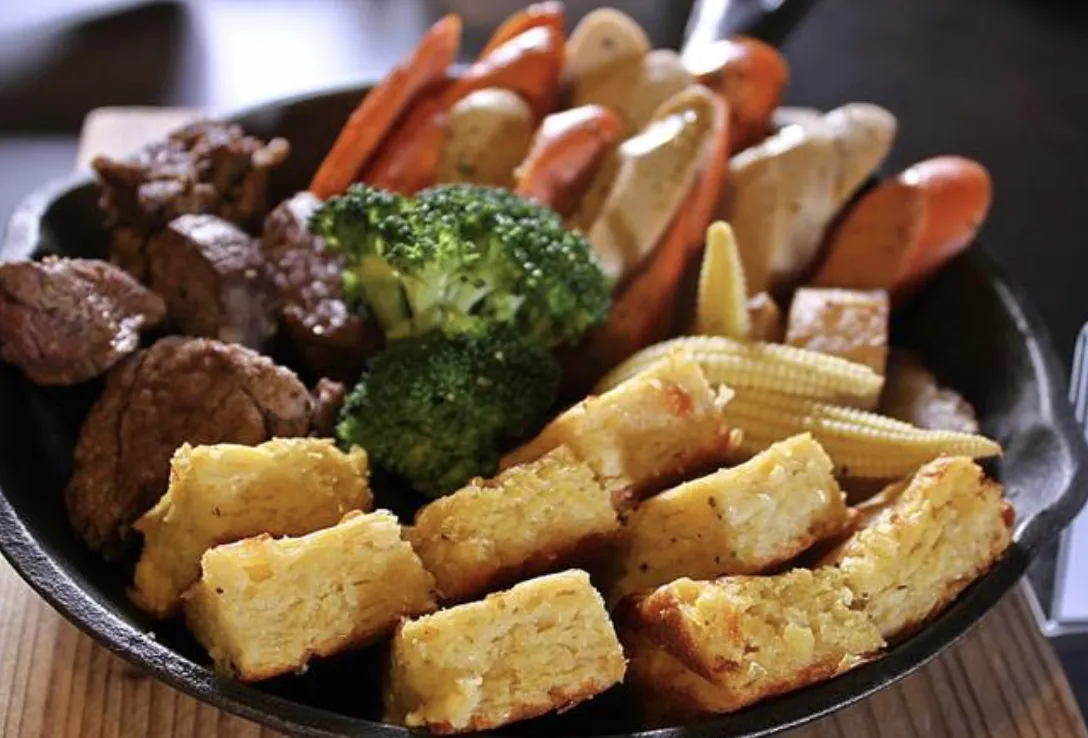
Versailles Restaurant (Calle Ocho, since 1971). The “World’s Most Famous Cuban Restaurant.” Cuban sandwich ($15), Vaca Frita ($25), 50¢ cortadito at the walkup window outside. Open until 1am.
El Palacio de los Jugos (multiple locations). Fresh juices, lechón asado (roasted pork), media noche sandwiches. Lunch under $15.
Yardbird Southern Table (South Beach). Modern Southern food meets Miami nightlife. Famous fried chicken and bourbon list. $50 per person.
Latin American Spread
Joe’s Stone Crab (since 1913, South Beach). Florida stone crab claws are the city’s signature seafood. Closed in summer (May 16-October 14) — but the takeaway counter, Joe’s Take Away, is open year-round. $50 for a half-pound order.
El Mago de las Fritas (Westchester). The fritas — Cuban-style burgers — are the best in the city. $8.
Sushi Garage (Sunset Harbour). Modern Japanese with creative twists. $80 per person.
Pastor Miami (Brickell). Mexican al pastor tacos done right in Miami. $15 a plate.
Brazilian and Argentine
Texas de Brazil (chain) for traditional churrascaria; Fogo de Chão (Brickell) for the upscale version. Quality Meats (Mid-Beach) for an Argentinean-influenced steakhouse.
Mauricio’s (Coconut Grove). A small Argentine grill with handmade chimichurri. $40 per person.
High-End Dining
The Surf Club (Mid-Beach, Four Seasons). A Thomas Keller restaurant. $290 tasting menu.
L’Atelier de Joël Robuchon (Design District). Two Michelin stars. $250 tasting menu.
Stubborn Seed (South Beach). Top Chef winner Jeremy Ford’s flagship. $145 tasting menu.
The Fan Experience
FIFA Fan Festival — Miami: Confirmed at Bayfront Park in downtown Miami, with views of Biscayne Bay and the Miami skyline. Free entry. Big screens, food trucks, live music — heavy on Latin American programming. Open throughout the tournament.
South American sports bars: The Brickell Cuban Cafe for Argentina; Boteco Brazilian Bar (West Brickell) for Brazil; Carbón Argentinian Steakhouse (West Avenue) for Uruguay and Argentina match-day food. Wynwood Yard is a constellation of bars and food trucks that turns into a fan zone on match days.
Inter Miami CF / Messi Effect: Lionel Messi joined Inter Miami CF in 2023, plays at Chase Stadium (Fort Lauderdale, 25 miles north of Hard Rock). Inter Miami matches at Chase Stadium during World Cup season are extremely difficult tickets — but this is the city where Messi lives. La Tradición Cubana in Pinecrest is rumored to be Messi’s family preferred Argentine grill.
Argentine fan culture: Miami has the third-largest Argentine population in the United States (after New York and Los Angeles). Buenos Aires Bakery (Westchester), El Pollo Inka (Aventura), and Olé Olé Argentine (Bay Harbor Islands) are pre-match gathering spots. Expect Calle 8 in Little Havana to fill with Argentine flags during their matches.
The Story
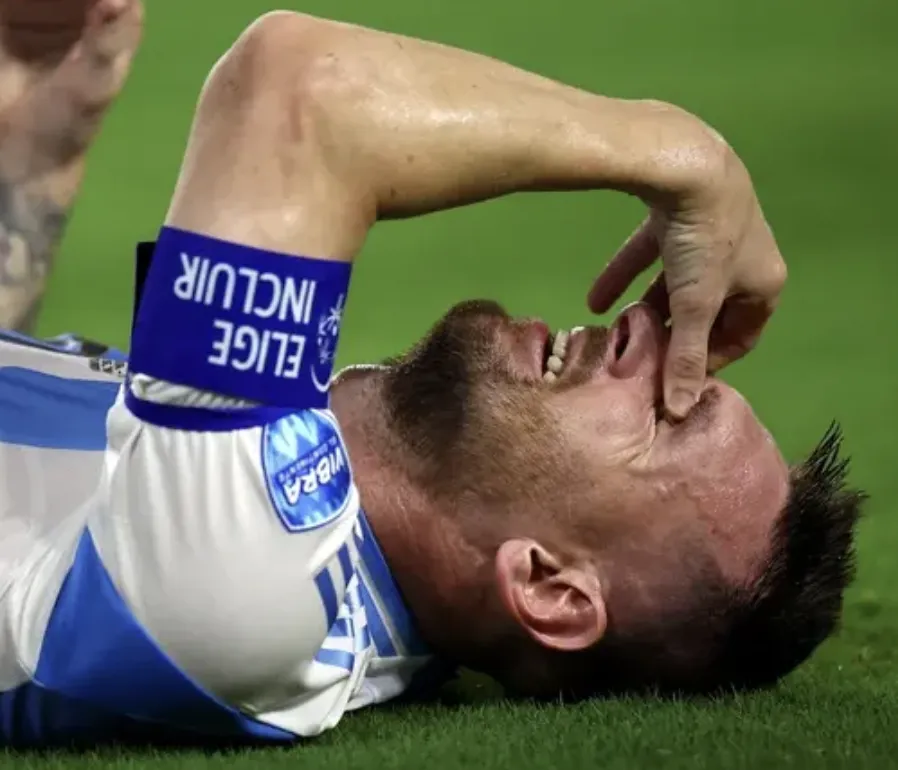
July 14, 2024. Hard Rock Stadium, Miami Gardens. Argentina vs. Colombia, Copa América Final.
The 2024 Copa América Final was the first major international final played at Hard Rock Stadium. Argentina were defending Copa champions; Colombia, coached by Néstor Lorenzo, had not lost a competitive match in 28 outings — a CONMEBOL record.
The match did not start on time. The kickoff was delayed by 80 minutes due to a security failure at the stadium gates — fans without tickets stormed the perimeter, and ticketed fans were locked out trying to get in. Several injuries, no deaths, and a humiliated CONMEBOL/Hard Rock security operation.
When the match began, the heat was 95°F at kickoff, with Miami’s late-afternoon humidity making it feel hotter. Lionel Messi, 37, captained Argentina. He was finally fit, having recovered from injury, in what observers said could be his last final.
Minute 36: Messi pursued a ball into the corner. He was tackled cleanly. He landed awkwardly on his right ankle. Replays showed the ankle bending sideways at an angle no ankle should bend.
Minute 64: Messi, after 28 minutes of trying to play through the pain, signaled he could not continue. He hobbled to the bench. He sat down. He buried his face in his hands and cried. Cameras stayed on him for the entire next 5 minutes — the world’s most-watched footballer, on the verge of perhaps his last final, in tears at the 66th minute, on the Hard Rock Stadium bench.
Argentina trailed for nothing 0-0 through 90 minutes. Lautaro Martínez had come on for Messi. Extra time:
Minute 112: Giovani Lo Celso threaded a through ball into the box. Lautaro Martínez ran onto it from an offside-looking position (replay showed him onside by inches). His shot beat Camilo Vargas low to the right. 1-0 Argentina.
The whistle blew minutes later. Argentina were Copa América champions for the second consecutive time, and the first-ever back-to-back Copa champions. Messi limped onto the pitch on crutches to celebrate — an image that will define his late career.
The post-match interview Messi gave that night included this line: “I thought my World Cup story was over in 2022. I didn’t know I would have one more chapter to write.”
That chapter is the 2026 World Cup. Argentina is in Group J at AT&T Stadium and Atlanta — but their possible Round of 16 path could bring them to Hard Rock Stadium for the July 11 quarterfinal. The pitch where Messi cried in 2024 may be the pitch where Messi takes his final World Cup steps.
When Brazil plays Scotland at Hard Rock on June 24, 2026, the conversation among Miami’s enormous Argentine community will not be about Brazil. It will be about whether Messi — now 39 — gets to come back to this stadium one more time. The 2024 Copa América Final was Argentina’s victory. But the moment everyone remembers is Messi crying. The next time he walks back onto that pitch, the story will not be the same.
The Hard Rock canopy roof now covers a section of seats where, on July 14, 2024, fans without tickets fought their way into the building. The grass where Messi went down at minute 36 has been cut and re-cut twenty times. The bench where he cried is the same bench teams will use during the 2026 matches. None of it is plaqued. But every Argentine in Miami can point to where it happened.