The Short Version
A top World Cup 2026 final ticket has been listed at $32,970 — roughly triple the previous high for a Category 1 final seat — because FIFA is, for the first time, pricing the World Cup dynamically: seats move with demand, like airline fares. The cheapest group-stage tickets start at $60, but the final tops out at $6,730 on the primary market, and resale on FIFA’s own platform is uncapped in the US and Canada, where above-face-value selling is legal. FIFA takes 30% of every resale transaction. The backlash has gone political: New York Mayor Zohran Mamdani negotiated 1,000 $50 tickets for city residents, while two New Jersey congressmembers called both FIFA’s policies and that deal into question. Whether you pay $60 or $33,000 now depends less on the match than on when, and how, you buy.
The Number That Started the Fight: $32,970
The single figure driving the controversy is $32,970 — the price ESPN reported FIFA attached to a top available ticket for the July 19 final at MetLife Stadium, roughly three times the previously listed high for a Category 1 final seat. That is the primary market, set by FIFA itself, before a single reseller is involved. For a tournament FIFA markets as football coming home to the people, the optics are difficult — and the number has become shorthand for everything fans distrust about the 2026 pricing model.
It is not that every seat costs a fortune. A share of seats at every fixture has been listed at $60, and group-stage entry can still be found at the low end. But the spread — $60 to nearly $33,000 for the same tournament — is precisely what dynamic pricing produces, and precisely what critics object to.
How Dynamic Pricing Works — and Why 2026 Is a First
Dynamic pricing means ticket prices rise and fall with demand in real time, the way airline seats and concert tickets already do — and 2026 is the first men’s World Cup to use it. FIFA sets a floor and lets prices climb as a match fills: the cheapest group-stage seats open at $60, while the most in-demand games and the final escalate far higher, to a $6,730 primary-market ceiling for the final. Prices for a home-nation or marquee fixture can move sharply once demand is known.
FIFA tested the model at the 2025 Club World Cup before scaling it to the main event. Allocations for official supporters’ clubs are exempt from dynamic pricing — a carve-out that protects organised away fans but does nothing for the casual family hoping to attend. Football Supporters Europe’s executive director Ronan Evain has argued the model exploits fan loyalty and has no place in the game. The objection is not that the World Cup is expensive — it always was. It is that the price of the same seat now depends on how badly you want it.
The Resale Machine: FIFA’s 30% and a $2 Million Listing
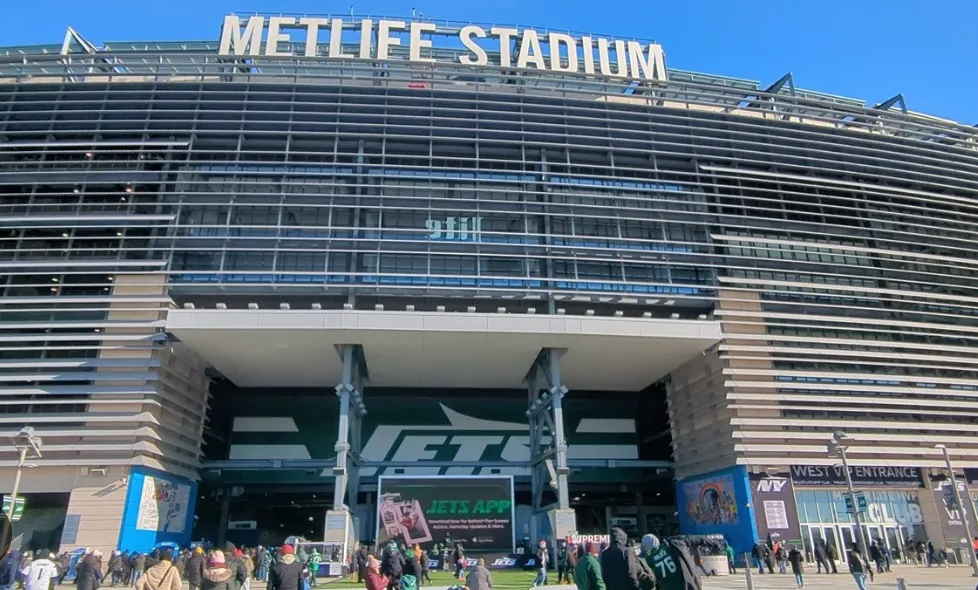
The more contentious half of the story is resale — because FIFA runs the resale platform itself and takes 30% of every transaction on it. In the United States and Canada, reselling a ticket above face value is legal and uncapped, so once a ticket is bought it can be relisted for whatever the market will bear; Mexico operates under stricter rules. That combination — a governing body operating the secondary market and profiting from each flip — is what turned a pricing debate into a credibility problem.
The model’s reductio came when a single final ticket surfaced on the exchange listed above $2 million. FIFA president Gianni Infantino waved the report away, joking that he would personally deliver a hot dog to anyone who actually paid it. Ex-Liverpool chief executive Peter Moore was less amused, calling the situation “dystopian” and a threat to the game itself, his argument being that once a ticket is a tradable asset, the buyer stops being a supporter and starts being a speculator. A hot dog for your two million dollars — that was the official response. Make of it what you will.
The Political Revolt: a $50 Ticket in New York
The backlash escalated from op-eds to City Hall on May 21, when New York Mayor Zohran Mamdani announced he had negotiated 1,000 tickets at $50 each for city residents — the cheapest seats available anywhere on FIFA’s primary market. Mamdani, a Democrat who took office in January after campaigning on a “Game Over Greed” petition demanding FIFA scrap dynamic pricing, cap resales and reserve discounted tickets for locals, framed the deal in his own terms: $50, he noted, is “five lattes in New York City.” The tickets cover seven of the eight matches at MetLife Stadium — five group-stage games plus a round-of-32 and round-of-16 tie — but not the July 19 final.
The mechanics are built to stop the very resale problem the tournament is fighting. Tickets are distributed by lottery to verified NYC residents only, capped at 50,000 entries a day over six days, in batches of 150; they are non-transferable and handed to winners in person at the bus terminal on game day, with free round-trip bus travel included. The deal ran through the New York/New Jersey Host Committee, whose chief executive Alex Lasry — backed by Mamdani and Governor Kathy Hochul — pushed down the regional transit costs that nearly sank it. Inside World Football reported that FIFA was initially reluctant, wary of setting a precedent that would let local politicians build parallel discounted markets. A precedent is exactly what it looks like.
…and the Backlash to the Backlash: “A Publicity Stunt”
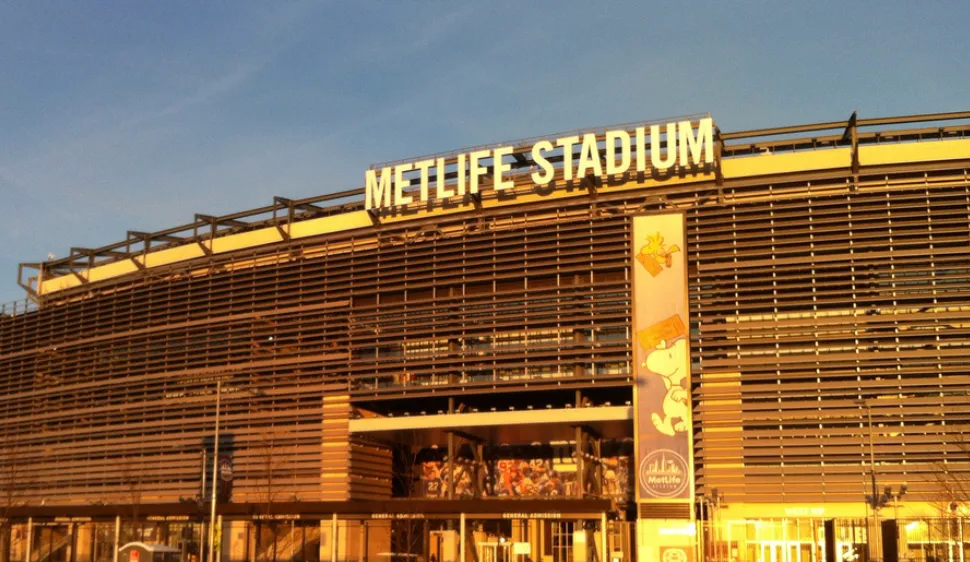
The $50 deal did not end the fight — it opened a second front in New Jersey, where the stadium actually sits. Two Democratic congressmembers, Nellie Pou, who represents the district containing MetLife, and Frank Pallone Jr., had already written to FIFA two weeks earlier calling its ticket policies “opaque” and “potentially deceptive.” When Mamdani’s deal landed, they dismissed it as a “publicity stunt”, arguing that 1,000 tickets across seven games works out to about 0.17% of the seats available for those matches — and that FIFA still owed answers on its broader pricing. Their point is awkward but hard to dismiss: a thousand cheap seats is a real gesture for a thousand families and a rounding error for everyone else.
FIFA’s Defence — and What It Leaves Out
FIFA’s case rests on three points: a share of $60 seats at every match, an official resale platform that it argues is safer than street scalping, and supporters’-club allocations shielded from dynamic pricing. Each is true. What the defence leaves out is that the same official platform is uncapped in the US and Canada and pays FIFA 30% per resale — so the body benefits whether a ticket sells once at face value or ten times at a markup. The resale market is not moving in one direction: analytics firm TicketData found the cheapest group-stage resale seats around $553 and the cheapest final around $7,734, while group-stage and early-knockout prices have softened since February. Safer than scalpers, cheaper than the headlines, and still a long way from $60. Two of those, maybe. Not all three.
What It Means If You Actually Want to Go
Practically, your ticket cost depends more on timing, match choice and patience than on the scary headline number. Flexible buyers willing to compare cities, teams and stages — rather than chasing a home-nation marquee or the final — will find the most accessible entry points, and group-stage and early-knockout resale prices have eased since February. If you are planning a trip, the venue and city you choose shape the total cost as much as the ticket: see our host-city guides for getting to the stadium and what to budget once you land.
FAQ
Why are World Cup 2026 final tickets so expensive? Because FIFA is using dynamic pricing for the first time at a men’s World Cup, letting prices rise with demand. The final’s primary-market ceiling is $6,730, and ESPN reported a top available final ticket listed at $32,970 — about triple the previous Category 1 high. Resale prices can run higher still.
Is dynamic pricing for World Cup tickets legal? Yes. Demand-based pricing is legal and already common in US sports and entertainment. Reselling tickets above face value is also legal and uncapped in the United States and Canada; Mexico has stricter resale rules. The controversy is about fairness and access, not legality.
How does FIFA’s ticket resale platform work, and what is the fee? FIFA operates its own official resale platform where buyers can relist tickets. In the US and Canada, sellers can set any price, as the market is uncapped. FIFA takes 30% of every resale transaction processed on the platform.
What were the cheapest and most expensive World Cup 2026 tickets? On the primary market, the cheapest group-stage seats started at $60 and the final topped out at $6,730. ESPN reported a top final ticket at $32,970. On resale, TicketData found the cheapest group-stage seats around $553 and the cheapest final around $7,734.
What is Mamdani’s $50 World Cup ticket deal? New York Mayor Zohran Mamdani negotiated 1,000 tickets at $50 each for verified NYC residents, distributed by lottery and covering seven of the eight matches at MetLife Stadium (not the final). They include free round-trip bus travel and are non-transferable to prevent resale.
How do I enter the New York $50 ticket lottery? Entry is open to verified New York City residents only, capped at 50,000 entries per day over six days, with 1,000 tickets released in batches of 150. Winners receive tickets in person at the bus terminal on game day. Check the New York/New Jersey Host Committee for current details.
Why are New Jersey officials criticising the $50 ticket deal? Democratic congressmembers Nellie Pou and Frank Pallone Jr. called the deal a “publicity stunt,” noting 1,000 tickets across seven games is roughly 0.17% of available seats, and pressed FIFA on pricing policies they earlier called “opaque” and “potentially deceptive.”
Are official supporters’ club tickets affected by dynamic pricing? No. FIFA has exempted allocations for official supporters’ clubs from dynamic pricing. That protects organised away fans but does not help casual buyers or families purchasing through the general public sale.
Will resale prices keep falling before the tournament? They may for some matches. TicketData and TicketClub report group-stage and early-knockout resale prices have softened since February, though premium fixtures and the final remain expensive. Comparing less-hyped matches and cities tends to surface the best value.
Related Articles
- Inside FIFA’s $1.6 Billion Hospitality Bet
- No, You Don’t Need a US Visa to Watch the World Cup in Toronto
- Your Passport Gets You Into Guadalajara. Here’s What Gets You Through the Week.
- FIFA official ticketing — fifa.com/tickets
- Al Jazeera — Mamdani’s $50 ticket announcement — aljazeera.com
- ESPN — the $50 lottery and the New Jersey feud — espn.com
- Newsweek — resale-market data and the pricing backlash — newsweek.com
About the author: James O’Connor is an investigative football correspondent at Touchline Global, the London-based independent outlet specialising in FIFA governance, commercial reporting and football’s political economy. He has covered every World Cup since Brazil 2014. Contact: james.oconnor@touchline.global · LinkedIn: /in/james-oconnor-touchline · X: @JamesOConnorTG