







Quick Reference
| Detail | Information |
|---|---|
| Stadium | Levi’s Stadium / San Francisco Bay Area Stadium (tournament name) |
| Capacity (WC) | ~71,000 (NFL config: 68,500, with tournament additions) |
| Matches hosted | 6 (5 group stage + 1 Round of 32, July 1) |
| Location | Santa Clara, 65 km / 40 mi south of San Francisco, in Silicon Valley |
| Nearest airports | SJC (San Jose) — 8 km / 5 mi; SFO (San Francisco) — 50 km / 31 mi; OAK (Oakland) — 60 km / 37 mi |
| Recommended days | 4-5 nights |
| Budget level | Very high (Bay Area pricing, the most expensive 2026 host region with NYC) |
| Best neighborhoods | San Francisco (Union Square, SoMa, Mission), Palo Alto, Mountain View, Santa Clara (matchday only) |
| Avoid | Renting a car you can’t park; assuming the stadium is “in San Francisco”; ignoring fog at evening matches |
| Currency | US Dollar (USD) |
| Tap water | Safe to drink. Hetch Hetchy reservoir water — among the cleanest municipal water in the US. |
Silicon Valley’s World Cup. Levi’s Stadium hosted Super Bowl LX on February 8, 2026, and four months later becomes a World Cup venue — one of the only stadiums in history to host both championship finals of American football and matches of the FIFA tournament in the same calendar year. Six matches: Qatar vs. Switzerland (June 13), Austria vs. Jordan (June 16), Turkey vs. Paraguay (June 19), Jordan vs. Algeria (June 22), Paraguay vs. Australia (June 25), and a Round of 32 on July 1. The stadium is in Santa Clara — not San Francisco, despite the tournament name. The 50-million-strong Bay Area is split across three counties, three airports, and a complex web of public transit. Stay in San Francisco for the city; stay in Palo Alto or Mountain View for the stadium. Welcome to the home of the San Jose Earthquakes, MLS founding member and the team that, in November 2003, came back from 0-4 down to beat LA Galaxy 5-4 in the greatest playoff comeback in American soccer history.
The Stadium
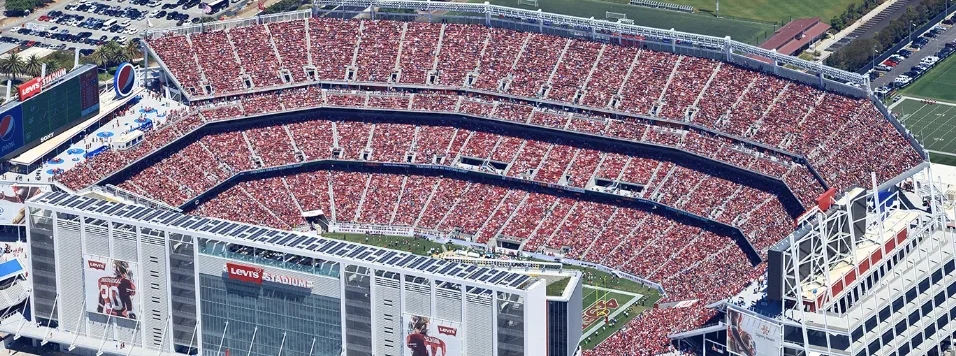
Levi’s Stadium opened on July 17, 2014 as the new home of the San Francisco 49ers — replacing the 49ers’ historic Candlestick Park (demolished 2015). Construction cost was $1.27 billion, primarily funded by the City of Santa Clara through public bonds and a private contribution from the 49ers. Levi Strauss & Co. paid $220 million for 20 years of naming rights in 2013 — the first time an NFL stadium carried a jeans-brand corporate name.
For the 2026 World Cup, FIFA renames the venue San Francisco Bay Area Stadium for the duration of the tournament — Levi Strauss is not a FIFA sponsor, so the corporate name comes off.
The stadium is the first LEED Gold-certified NFL stadium, with a 27,000-square-foot green roof carrying 40 plant varieties, solar panels on the pedestrian bridges, and the largest outdoor 4K video boards in the NFL (installed during the 2025 renovation, 40% bigger than the previous screens). The renovation, completed at $200 million before Super Bowl LX in February 2026, also upgraded sound systems and premium seating.
The 2026 calendar at Levi’s Stadium is unprecedented in American sport:
- February 8, 2026: Super Bowl LX (Patriots vs. 49ers, with Stevie Nicks halftime — first NFL title at the venue)
- April-May 2026: The grass pitch (Bandera Bermudagrass, permanent installation, not artificial) was reconditioned for FIFA standards
- June 13-July 1, 2026: Six FIFA World Cup matches
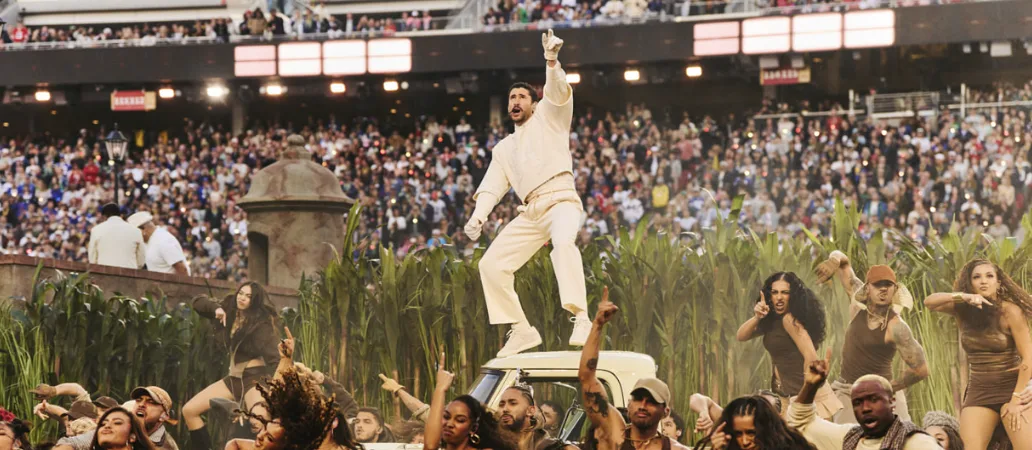
The same calendar year that hosts both Super Bowl and World Cup is the kind of double almost no stadium has ever attempted. Levi’s Stadium is the third in history to do it (after the Rose Bowl in 1994 and MetLife Stadium projected for 2026).
The pitch advantage: Unlike most 2026 US venues, Levi’s Stadium uses natural Bandera Bermudagrass — installed permanent year-round. No FIFA-mandated artificial-to-natural conversion was needed. The same grass that Super Bowl LX was played on hosts the World Cup matches.
The six matches scheduled here:
- June 13 — Qatar vs. Switzerland (Group B), 12:00 PM PT
- June 16 — Austria vs. Jordan (Group J), 9:00 PM PT
- June 19 — Turkey/Slovakia/Kosovo/Romania (UEFA Playoff C) vs. Paraguay (Group D), 3:00 PM PT
- June 22 — Jordan vs. Algeria (Group J), 8:00 PM PT
- June 25 — Paraguay vs. Australia (Group D), 6:00 PM PT
- July 1 — Round of 32, 5:00 PM PT — winner of Group D vs. third place
No US national team match in Santa Clara. The USMNT plays at SoFi Stadium (LA), Lumen Field (Seattle), and Lincoln Financial Field (Philadelphia) only. The Bay Area’s draw is Group J — the group of defending champions Argentina (though Argentina plays only at AT&T Arlington and Arrowhead, not here). Algeria fans following their Group J side will visit Santa Clara on June 22 for the Jordan-Algeria match. Paraguay fans visit twice (June 19 vs. UEFA playoff winner, and June 25 vs. Australia). Australia fans visit June 25 — and have a second match earlier at Seattle, making the SEA-SFO weekend a popular Australian fan corridor.
Getting There
From Bay Area airports to the stadium
The Bay Area has three major airports, all serving the Levi’s Stadium region:
| Airport | Distance to Levi’s Stadium | Travel Time | Best for |
|---|---|---|---|
| San Jose (SJC) | 8 km / 5 mi north | 15-25 min | Most direct stadium access |
| San Francisco (SFO) | 50 km / 31 mi north | 45-75 min | International flights, hotel proximity (SF) |
| Oakland (OAK) | 60 km / 37 mi north | 50-80 min | Budget airlines, East Bay arrival |
From SJC: 15-25 minute drive to Levi’s Stadium. Uber/Lyft $25-45 normal traffic, $60-90 match day. No direct transit; VTA Light Rail Orange Line connects from Mountain View / Sunnyvale stations but does not serve SJC directly. Rideshare is the only realistic option from SJC.
From SFO: 45-75 minutes by car. Caltrain from SFO Millbrae station to Mountain View — 50 minutes — then VTA Orange Line Light Rail to Great America station (the stadium’s front door) — 15 minutes. Total transit time ~95 minutes, $8.45 each way. The Caltrain frequency is 30-45 minutes — plan accordingly.
From OAK: 50-80 minutes by car. BART from Coliseum/Oakland Airport to Millbrae, then Caltrain south. Most fans flying to OAK rent a car or use rideshare directly.
The transit reality at Levi’s Stadium: The stadium is fundamentally car-centric. The VTA Orange Line is a slow light rail system; Caltrain from SF takes ~60 minutes plus 15 minutes for the VTA transfer. No direct BART connection. Allow 90-120 minutes from downtown SF to a 3:00 PM kickoff.
Rideshare from San Francisco: $80-180 each way to Levi’s Stadium on match days. The most expensive Uber/Lyft fares of any 2026 host city.
Driving and parking: The stadium has 21,000+ parking spaces on-site, but most are sold via FIFA hospitality packages. General-admission parking $40-80 pre-booked, $100-200 walk-up. Pre-book via SpotHero or ParkWhiz.
The smartest play: Stay in Palo Alto or Mountain View (closer to the stadium, real Bay Area neighborhoods) instead of San Francisco (40+ miles away). Save commute hours, see more matches.
Visa & Entry
Standard US rules. VWP countries (Japan, UK, France, Germany, etc.): ESTA required. Chinese passport holders need B-class visa — apply 6+ months in advance (US consulate wait times in China can be 8+ months for first-time interviews).
SFO handles 50+ million passengers annually and is a United Airlines hub. SFO has the most direct international flights to Asia of any 2026 host city — daily nonstops to Tokyo (NRT, HND), Seoul (ICN), Shanghai (PVG), Beijing (PEK), Hong Kong (HKG), Taipei (TPE), Singapore (SIN), and Manila (MNL). For Asian travelers, SFO is the primary World Cup arrival point in the western US.
Where to Stay
| Neighborhood | Drive/transit to stadium | Double Room/Night | Vibe | Best For |
|---|---|---|---|---|
| Santa Clara / Stadium District | 5-10 min by car | $250-450 (200% match-day surge) | Office parks, chain hotels, isolated | Match-day stays only |
| Mountain View | 20-30 min by car or VTA | $300-450 | Google campus, Castro Street downtown, transit access | Best stadium-proximity for tourists |
| Palo Alto | 25-35 min by car | $400-650 | Stanford University, University Ave, upscale dining | Luxury stays, families |
| San Jose Downtown | 15-20 min by car or VTA | $250-400 | Tech district, museums, restaurants | Budget-friendly Bay Area |
| San Francisco Union Square | 50-75 min by car or transit | $400-700 | Shopping, theater district, cable cars | First-time SF visitors |
| San Francisco SoMa / Mission | 55-85 min by car or transit | $350-600 | Tech offices, indie culture, restaurants | Foodies, art-lovers |
Mountain View is the smart default for World Cup visitors who want to see the Bay Area. Castro Street (downtown Mountain View) is one of the most walkable suburban areas in the country — restaurants, indie shops, the Caltrain station. 20 minutes by car to Levi’s Stadium, 50 minutes by Caltrain + light rail. Hotels: Hotel Avante ($320), Crowne Plaza Cabaña ($280), Residence Inn Mountain View (~$260).
Palo Alto is the upscale pick. Stanford University, the Stanford Shopping Center, University Avenue dining, walking distance to the Stanford campus (one of the most beautiful in America). Slightly closer to SF than Mountain View. Hotels: Cardinal Hotel ($340, historic boutique), Sheraton Palo Alto ($420), Four Seasons Palo Alto ($650), Garden Court Hotel ($380).
San Jose Downtown is the budget pick within the Bay Area. The 10th-largest US city, with a real downtown that includes the SAP Center, museums, restaurants. 15-20 minutes from the stadium. Hotels: Hotel De Anza ($280), San Jose Marriott ($320), Hyatt Place San Jose Downtown (~$220).
San Francisco Union Square is the smart pick if you want to combine Bay Area World Cup matches with seeing San Francisco. The neighborhood is the city’s hotel and shopping center, walking distance to Pier 39, the Embarcadero, North Beach. Allow 90+ minutes for stadium days. Hotels: The Westin St. Francis ($480), Hotel Nikko ($420), Hotel Zelos ($380), King George Hotel ($300).
San Francisco SoMa / Mission for indie travelers. SoMa = startups + restaurants near the ballpark; Mission = Latino heart of SF, taquerias, Dolores Park. Hotels: Hotel Zetta ($340, boutique), Phoenix Hotel ($220, retro), Hotel Vitale (~$520).
What to avoid: Hotels in San Mateo, Burlingame, or Daly City marketed as “Near SFO” — these are sometimes 25 km from both the stadium AND from San Francisco itself, with no walkable area around them.
Stadium-district hotels (Hyatt Regency Santa Clara, Embassy Suites Santa Clara): convenient on match day but in office-park surroundings. Most match-day visitors prefer Mountain View or Palo Alto for the broader Bay Area experience.
Book by April 30. The Bay Area is the most expensive 2026 host region with NYC. Most Santa Clara hotels surged 150-250% over baseline rates for the June 13-22 window. SF Union Square hotels run 30-40% above their already-high baseline. Stanford University area (Palo Alto) is the most quickly-filling market.
Beyond the Stadium
San Francisco Tour
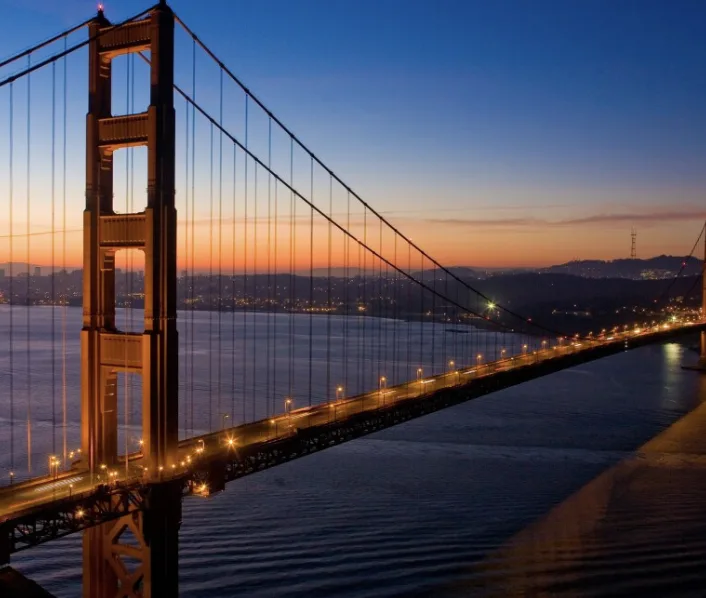
San Francisco itself is the World Cup attraction for the Bay Area. Hit the basics:
Golden Gate Bridge: walk or bike across (best from Crissy Field, Presidio Park side); allow 2-3 hours. Free.
Alcatraz Island: ferry from Pier 33; book 30-60 days ahead. $50 entry. Allow 4 hours.
Cable Cars: ride the Powell-Hyde or Powell-Mason line from Union Square to Fisherman’s Wharf. $8 each way (or $13 day pass).
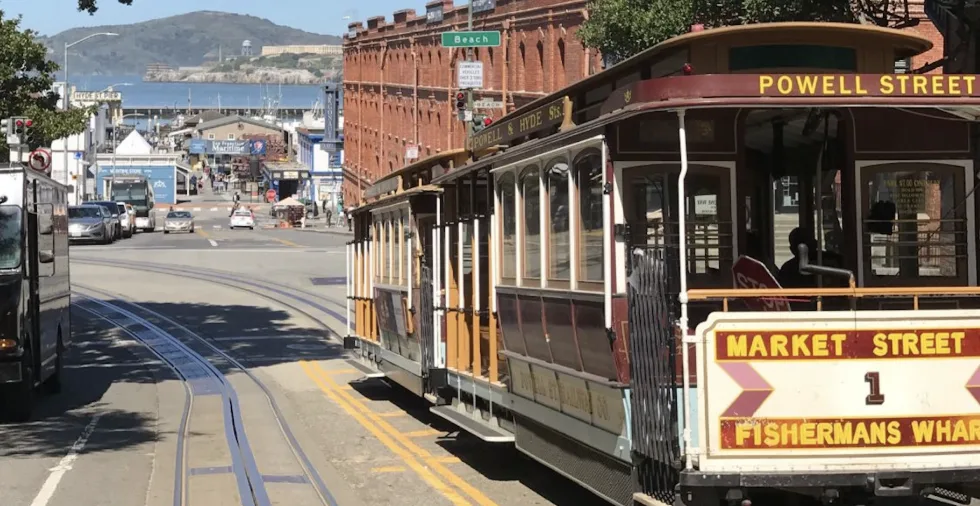
Lombard Street: the “crookedest street” — Russian Hill neighborhood, walking distance from cable cars.
Pier 39 + Fisherman’s Wharf: touristy but iconic. Sea lions, Boudin sourdough bread bowls, ferry departures. Free entry.
Mission District: the Latino heart of SF — Mission Dolores church (1776), the murals on Balmy Alley, taqueria scene (La Taqueria, El Farolito). The most authentic Bay Area neighborhood.
Painted Ladies at Alamo Square: the famous Victorian houses against the SF skyline. The Full House intro shot. Free.
Stanford University
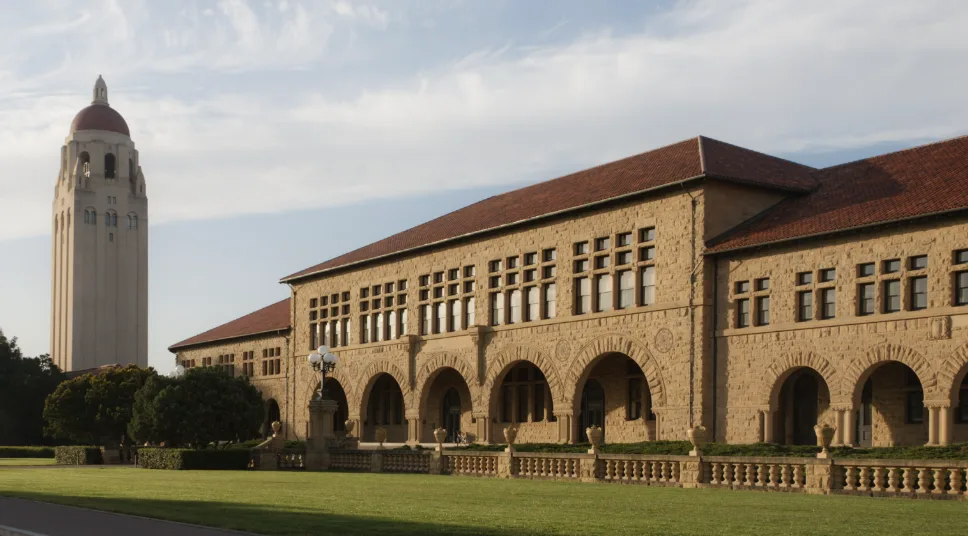
The Stanford campus is one of the most architecturally beautiful in America. The Main Quad (red-tile-roof Spanish architecture, 1891), Hoover Tower, the Cantor Arts Center (free admission). 25 minutes from Levi’s Stadium. Walking-distance to University Avenue’s restaurants.
Computer History Museum (Mountain View)
The world’s largest computing collection. Original ENIAC components, the first Apple I, the original Google server stack. Walking distance from Mountain View Caltrain station. $22 entry.
Computer Museum of America Hidden Gem: The Tech Interactive (San Jose)
Hands-on tech museum. Children-focused but excellent for adults. $30 entry.
Day Trips
Napa Valley (90 minutes north of SF): wine country. Wine train, Yountville Michelin restaurants (French Laundry, Bouchon). Full day or overnight.
Sonoma County (90 minutes north of SF, west of Napa): wine + Pacific coast access.
Half Moon Bay (45 minutes south of SF): Pacific beaches, surf, the Mavericks competition site. Pleasant half-day.
Big Sur (3.5 hours south): dramatic Pacific coastline, Bixby Bridge. Full day from SF, overnight recommended.
Santa Cruz (90 minutes south): boardwalk, beaches, surf town.
Carmel-by-the-Sea + Monterey (2 hours south): Pebble Beach golf, sea otters, the Monterey Bay Aquarium.
Where to Eat and Drink
San Francisco Sourdough and Seafood (the religion)
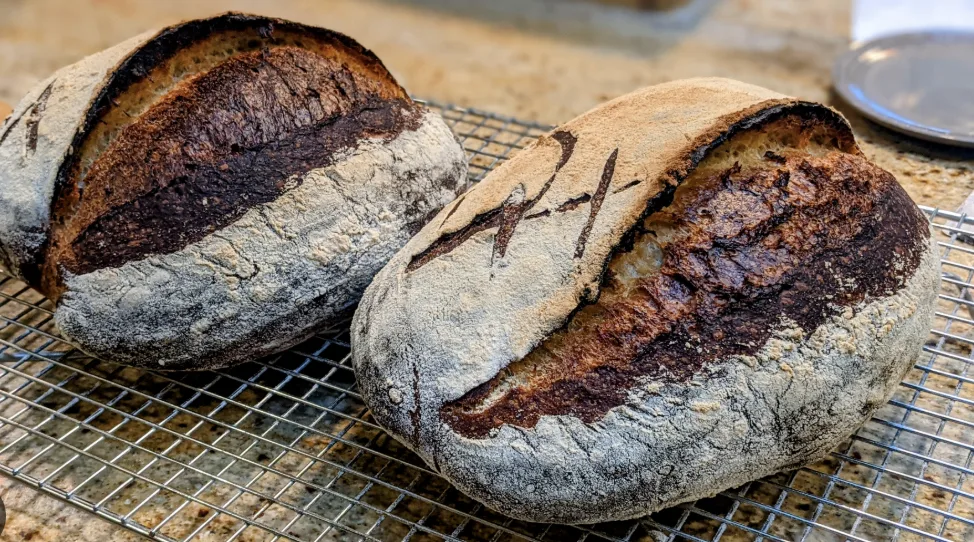
Tartine Bakery (Mission, Inner Sunset). The most famous bakery in California — Chad Robertson’s sourdough loaf is the canonical SF item. Open 8 AM-7 PM. Lines from 9 AM weekends. $10-25.
Boudin Bakery at Pier 39 (Fisherman’s Wharf, since 1849). The original SF sourdough bakery. Bread bowls with clam chowder, $15-25.
Swan Oyster Depot (Polk Gulch, since 1912). 18-seat counter, no reservations, no website. Anthony Bourdain’s #1 SF pick. Crab, oysters, clams. $30-80.
Hog Island Oyster Co. (Ferry Building). Oysters from Tomales Bay (60 miles north). Full restaurant and walk-up counter. $40-80.
Mission Taqueria
La Taqueria (Mission, since 1973). James Beard “America’s Best Burrito” award. Carne asada burrito (no rice, beans + meat + cheese + salsa) is the signature. $12-18.
El Farolito (Mission, since 1983). Late-night taqueria. The super burrito. $10-15.
Tartine Manufactory (Mission). Tartine’s expanded restaurant — pastry + tortillas + small plates. $30-60.
Chinese Cuisine
Z & Y Restaurant (Chinatown). Sichuan. The chongqing chicken is signature. $25-50.
Mister Jiu’s (Chinatown). Modern Chinese, Michelin star. The most prestigious Chinese restaurant on the US West Coast. Roast duck. $80-130.
Yank Sing (SoMa, Rincon Center). Dim sum cart service. Lunch only. $40-70.
Japanese Cuisine
Akiko’s (Union Square). Sushi-omakase. Reservations 60+ days out. $250+ per person.
Marufuku Ramen (Japantown). The best tonkotsu ramen in the Bay Area. $18-28.
Hashiri (SoMa). Kaiseki, James Beard Award winner. $400+ per person.
Modern California
Saison (SoMa, Michelin 3 stars). Tasting menu only, $400+. Best fine dining in San Francisco.
Atelier Crenn (Marina, Michelin 3 stars). Dominique Crenn’s flagship — first female chef in US to receive 3 Michelin stars. $450+.
Zuni Café (Hayes Valley, since 1979). The famous roast chicken for two ($75) requires 1-hour wait at the restaurant. The bar pours classic California cocktails. $80-150.
Acquerello (Polk Gulch, Michelin 2 stars). Italian. The truffle pasta in winter is legendary. $200+.
Silicon Valley
Manresa (Los Gatos). David Kinch’s flagship — Michelin 3 stars closed 2022 but reopened. $400+. Worth the drive from SF.
Evvia Estiatorio (Palo Alto). Greek, the best restaurant on University Avenue. $80-130.
Tamarine (Palo Alto). Vietnamese fine dining. $60-100.
Manresa Bread (Los Gatos, Los Altos). Avery Ruzicka’s bakery — naturally leavened breads. $10-25.
Coffee
Blue Bottle Coffee (multiple SF locations + Ferry Building). Founded in Oakland 2002, now Bay Area’s coffee staple.
Sightglass Coffee (SoMa). Third-wave standard, beautiful flagship space.
Philz Coffee (multiple locations). SF original, custom-made cup-by-cup.
Wine and Beer
Anchor Brewing (Potrero Hill, founded 1896, closed 2023, reopened 2025). The oldest US craft brewery. Anchor Steam beer is the canonical SF beer. Brewery tours.
21st Amendment Brewery (SoMa, walking distance to Oracle Park). Hell or High Watermelon Wheat is the popular summer beer.
The Fan Experience
FIFA Fan Festival — San Francisco Bay Area: Confirmed location at Pier 27 / The Embarcadero in San Francisco — overlooking the Bay Bridge. Big screens, food trucks, live music. Free entry. Open match days only. The most scenic Fan Festival of any 2026 host city — sunset over the Bay Bridge, with the Embarcadero as backdrop.
Sports bars:
- Mad Dog in the Fog (Lower Haight) — the legendary SF soccer pub, EPL home since 1989
- Bus Stop (Cow Hollow) — soccer bar with multi-language clientele
- The Connecticut Yankee (Potrero Hill) — Sounders/Argentine/Mexico mixed-fan zone
- Final Final Sports Bar (Marina) — multi-screen sports bar
San Jose Earthquakes: The Bay Area’s MLS team plays at PayPal Park in San Jose (10 km south of Levi’s Stadium). Their supporters group, the Frente Ultras (the “Goonies”), is one of the oldest in MLS — the name comes from forward Steven Lenhart’s 2012 quote “Goonies never say die” after the team came back from a 3-goal deficit to beat the LA Galaxy 3-2 in the second half. The California Clásico rivalry with LA Galaxy dates to 1996 — the oldest rivalry in MLS. During World Cup, expect Earthquakes-organized watch parties for every Bay Area match.
Asian Soccer Demographics
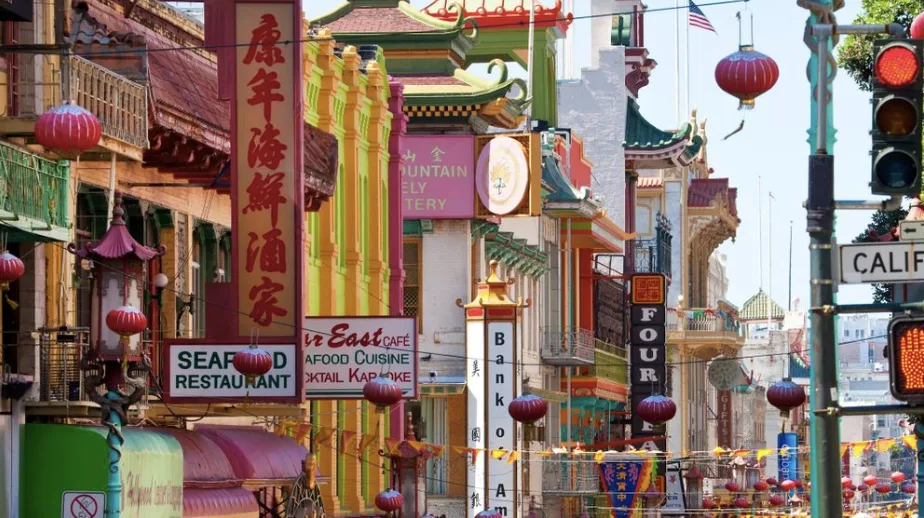
The Bay Area has the largest concentrated Asian-American population of any US metro — Chinese, Vietnamese, Korean, Japanese, Filipino, Indian. The Asian-American soccer fan base will be the most visible Asian fan culture at any 2026 venue.
Japanese-American demographic: SF’s Japantown (one of three remaining in the US) and South Bay communities will follow Japan’s matches — Japan plays Group E at MetLife and Arrowhead.
Korean-American demographic: Strong presence in San Mateo, Daly City, and the East Bay. Korea plays Group D at Lincoln Financial Field (Philadelphia).
Chinese fan culture: SF Chinatown (the largest Chinatown in North America by population) will be a watch-party center for any East Asian World Cup match. Specifically, Newport Restaurant and R&G Lounge in Chinatown have hosted World Cup watch events since the 2002 Korea/Japan tournament.
The Story
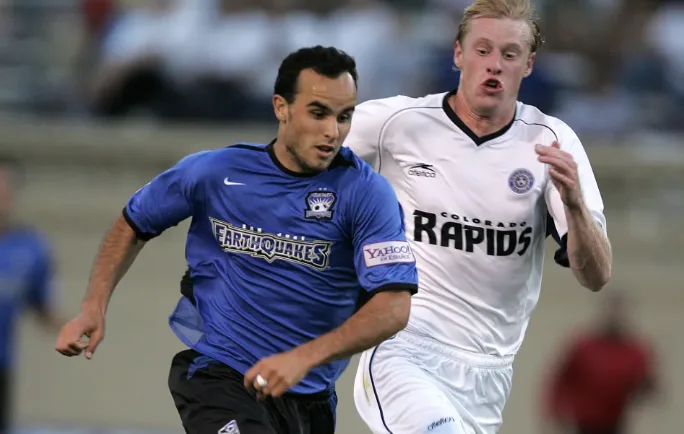
November 9, 2003. Spartan Stadium, San Jose. San Jose Earthquakes vs. LA Galaxy. MLS Western Conference Semifinal, Leg 2.
The Earthquakes had lost the first leg in Los Angeles, 2-0. The LA Galaxy were the defending MLS Cup champions. They came to San Jose for the second leg ahead 2-0 on aggregate. By the 67th minute of the second leg, the score was LA Galaxy 2, San Jose 0 — making the aggregate 4-0. Spartan Stadium fans were heading for the exits. The Earthquakes had been eliminated.
What happened next was, and remains, the greatest playoff comeback in American soccer history.
Minute 78: Brian Mullan score for San Jose. 4-1 aggregate.
Minute 90: Landon Donovan converts a header. 4-2 aggregate.
Minute 90+5 (5 minutes of stoppage time): Jeff Agoos scores from a set piece. 4-3 aggregate.
The whistle blew. Aggregate 4-3 LA Galaxy. Extra time.
Minute 113 (8 minutes into extra time): Jamil Walker scores. 4-4 aggregate. The match goes to penalties — until Landon Donovan settles it in extra time itself.
Minute 125 (5 minutes into the second extra-time period): Rodrigo Faria scores the 5-4 aggregate winner on a Landon Donovan free kick. Spartan Stadium erupts. The greatest comeback in the history of MLS playoff football is complete.
Two weeks later, the Earthquakes won MLS Cup 2003 by beating Chicago Fire 4-2 in Carson, California (the home of LA Galaxy — a deliberate twist of the knife). Landon Donovan scored two goals in the final. Two MLS Cups in three seasons (2001, 2003). One of the great team eras in American soccer history.
Landon Donovan was 21 years old. He was on loan from Bayer Leverkusen. He had scored a record 145 MLS goals in his career, the all-time record until Chris Wondolowski (another San Jose player) broke it in 2018. Donovan would leave for LA Galaxy in 2005 — the Anschutz Entertainment Group, owners of both teams, traded his rights away. Earthquakes fans would call him Judas for the rest of his career. The wound lasted until 2022 — when at age 40, Donovan returned to the Bay Area to participate in San Jose’s 25th anniversary celebrations, was forgiven.
In 2008, the California Clásico was reborn — the Galaxy-Earthquakes rivalry now formalized through MLS scheduling. In 2012, midfielder Steven Lenhart shouted “Goonies never say die” in a post-match interview after the Earthquakes came back from a 3-goal deficit at half-time to beat LA Galaxy 3-2 in the second half. The quote — referencing the 1985 Steven Spielberg film about a group of kids who refuse to give up — became the rallying cry of San Jose Earthquakes supporters. The supporters group, the Frente Ultras, made the chant their official anthem.
On June 16, 2026, when Austria plays Jordan at Levi’s Stadium — a match with no obvious headliner, no expected dramatic stakes — the venue will be the third-largest in the 2026 World Cup. The 71,000 seats will hold supporters of two teams in a group that contains Argentina (Argentina plays elsewhere). The actual atmosphere will probably be modest.
But on June 22, when Jordan plays Algeria — both teams hoping for the final-spot upset in Group J that knocks Argentina out — and the Frente Ultras / Goonies of the local San Jose Earthquakes show up to support the underdog of their choice, the historic memory will surface. The Goonies never say die. The same playoff philosophy that took the Earthquakes from 0-4 down to 5-4 winners in 2003. The same belief that defines the smaller MLS team competing in the shadow of LA Galaxy for 30 years.
Whoever wins on June 22, the Levi’s Stadium concourse will smell of California fog and Bay Area sourdough and ten million miles of Silicon Valley ambition. The World Cup has come to the place where the greatest comeback in American professional soccer was completed. The Goonies are watching.
San Francisco Bay Area: where the world’s tech is built, where American soccer fans first organized into supporter culture in 1996 with the founding MLS Clash, where Landon Donovan scored 145 goals over a career that defined American soccer for two decades, and where on summer 2026 nights, the Bay Area sunset will illuminate the most expensive World Cup venue on the planet with the most affordable myth — that never say die belongs on every football pitch in the world.