The Short Version
Australia meet Egypt in the round of 32 at AT&T Stadium on July 3, and the Socceroos carry an unusual burden: after Japan’s exit, they are the last team from the Asian Football Confederation left in the tournament. The quirk is that Australia are geographically Oceanian — they switched to the AFC in 2006 — so the continent’s last World Cup hope is, technically, an outsider to it. Standing in their way is an Egypt side that went unbeaten through Group G, drawing with Belgium, and that carries the tournament’s most recognisable knockout threat in Mohamed Salah. It is finely balanced: two second-placed teams, one place in the last 16, and a star name against a stubborn collective.
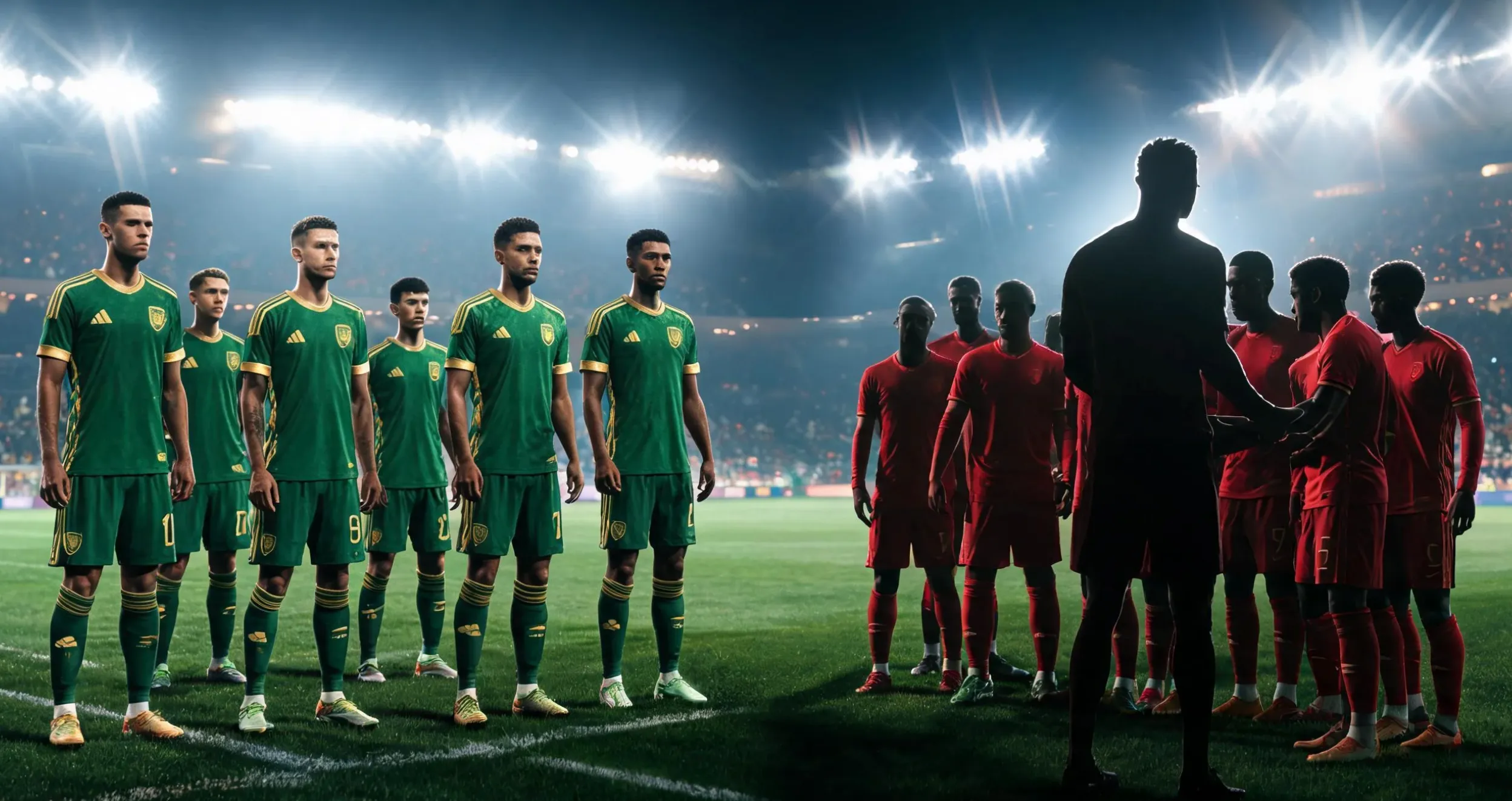
The round of 32 has already claimed Germany and Japan, and with the latter gone, the spotlight falls on an unlikely flag-bearer. Australia were not many people’s pick to be Asia’s last side standing — but here they are, one win from the last 16, carrying a continent they do not, strictly speaking, belong to.
Asia’s last flag, flown from Oceania
Australia’s presence at this stage comes with a footnote worth explaining. Geographically, they are part of Oceania; in football terms, they have competed in the Asian Football Confederation since 2006, qualifying through Asia’s section. So when Japan went out to Brazil — the last of South Korea, Iran, Saudi Arabia and Japan to fall — it was Australia, an Oceanian nation, who became the AFC’s only survivor.
It is the kind of identity quirk that makes the Socceroos easy to root for: a side carrying the hopes of a confederation it joined by convenience, in a tournament that has emptied of its traditional Asian names. Win, and the AFC’s run continues through an unexpected standard-bearer; lose, and Asia’s World Cup is, by any definition, over.
Egypt and the Salah problem
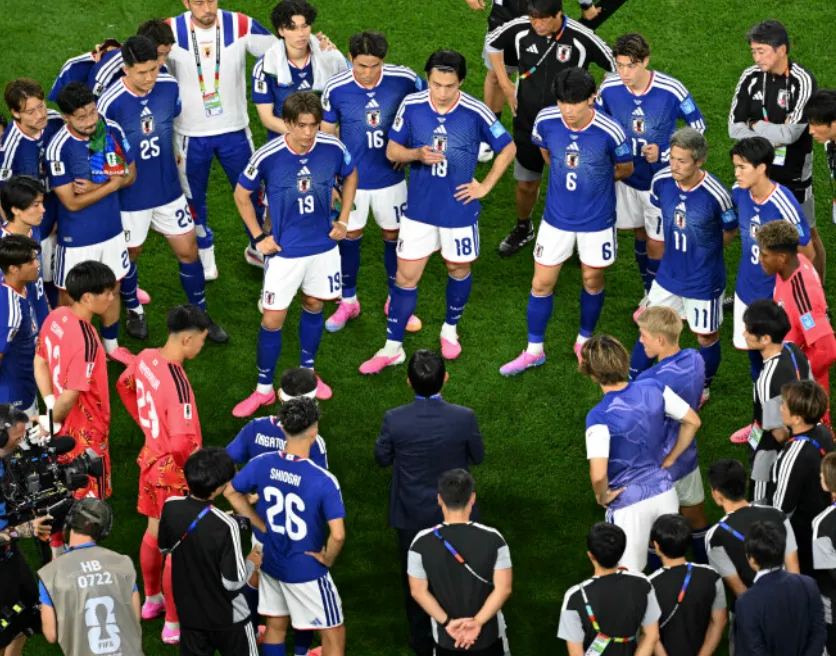
Egypt are a serious obstacle. They finished second in Group G unbeaten — a 1-1 draw with Belgium, a 3-1 win over New Zealand and a 1-1 with Iran, as the group tables showed — a record built on organisation and the threat of one of the modern game’s elite forwards. Mohamed Salah gives the Pharaohs a match-winner few sides left in the draw can match for individual quality, and in a tight knockout tie, one moment from him can settle everything.
Their group campaign, detailed in our look at Group G, showed a team hard to break down and patient in possession. Australia will not be able to sit back and contain for ninety minutes without inviting exactly the kind of pressure Salah feeds on.
How Australia got here
Australia reached the round of 32 as Group D runners-up: a 2-0 win over Türkiye, a 0-2 defeat to the United States and a 0-0 draw with Paraguay, four points and a goal difference of zero, as the bracket records. It is not a campaign that announced them as contenders, but it is one built on exactly the qualities that travel in knockout football — discipline, organisation, and a refusal to lose the games they cannot win.
Jackson Irvine anchors a side that does the unglamorous work well, with Martin Boyle and Ajdin Hrustić offering the threat on the break. This is a team that will make Egypt earn it.
Where the last-32 tie turns
The shape is readable. Egypt will likely have more of the ball and will look to feed Salah into space; Australia will sit compact, stay disciplined, and try to turn the tie into a low-event grind decided by a single moment or a set piece. The first goal carries enormous weight — fall behind to a side with Salah, and Australia must open up against the worst possible opponent to chase.
For Australia, the template is the 0-0 they ground out against Paraguay: frustrate, stay in it, and take their one chance. For Egypt, the answer is patience and Salah’s quality. Whoever imposes their preferred tempo will likely go through.
Our read on the night
Egypt are marginal favourites — the unbeaten group record and Salah’s presence tilt it their way — and a narrow win or a tie settled late feels the likeliest outcome. But Australia are precisely the kind of organised, awkward opponent that can drag a favourite into penalties, and they have the discipline to do it. Call it a tight Egypt win, 1-0 or 2-1, with extra time and spot-kicks well within range if Australia defend as they can. Confidence: low-to-moderate — this is a coin-flip tie with a star name on one side and a stubborn collective on the other, a contest worth watching.
Whatever happens in Dallas, it is a strange and rather lovely subplot: the last representative of Asian World Cup football is a country from the other side of the world, one win from the last 16, with a continent it adopted — and that adopted it — watching on.
Frequently asked questions
When and where is Australia vs Egypt? The round-of-32 tie is played at AT&T Stadium in Arlington, Texas, on July 3, 2026, with an 18:00 UTC kick-off.
Why is Australia called Asia’s last team? Australia compete in the Asian Football Confederation (AFC), which they joined in 2006, and qualified through Asia’s section. After Japan, South Korea, Iran and Saudi Arabia were all eliminated, Australia are the last AFC side left in the tournament — even though they are geographically part of Oceania.
Is Australia in Asia or Oceania? Geographically, Australia is in Oceania. In football, it competes in the AFC (Asia), so at the World Cup it is treated as an Asian-section qualifier.
How did Egypt reach the round of 32? Egypt finished second in Group G unbeaten — a 1-1 draw with Belgium, a 3-1 win over New Zealand and a 1-1 draw with Iran — for five points.
How did Australia reach the round of 32? Australia finished second in Group D with four points: a 2-0 win over Türkiye, a 0-2 loss to the United States and a 0-0 draw with Paraguay.
Who are the key players to watch? For Egypt, Mohamed Salah is the standout threat. For Australia, Jackson Irvine anchors the midfield, with Martin Boyle and Ajdin Hrustić offering pace and quality on the counter.
Who is favourite to win? Egypt are marginal favourites given their unbeaten group record and Salah’s quality, but Australia’s organisation makes a low-scoring, tight tie — potentially decided in extra time or penalties — very possible.
What happens to Asia if Australia lose? If Australia are eliminated, no Asian Football Confederation side will remain in the tournament, ending Asia’s involvement in the 2026 World Cup.
About the author: James O’Connor is investigative football correspondent at Touchline Global, the London-based independent football journalism outlet founded in 2012 and specializing in FIFA governance, commercial reporting, and football’s political economy. O’Connor has covered every FIFA World Cup since Brazil 2014. Contact: james.oconnor@touchline.global · LinkedIn: /in/james-oconnor-touchline · X: @JamesOConnorTG