




Quick Reference
| Detail | Information |
|---|---|
| Stadium | Estadio Akron / Estadio Guadalajara (tournament name) |
| Capacity (WC) | 44,330 (official FIFA figure); 48,071 regular |
| Matches hosted | 4 (all group stage, June 12-27) |
| Location | Zapopan (Greater Guadalajara), Jalisco |
| Nearest airport | Miguel Hidalgo y Costilla International (GDL) |
| Recommended days | 3-4 nights |
| Budget level | Mid (affordable) |
| Best neighborhoods | Colonia Americana, Centro Histórico, Zapopan (near stadium) |
| Avoid | Tlaquepaque outskirts late at night, unlit areas of Centro after 11pm |
| Currency | Mexican Peso (MXN) ~ 20 MXN per $1 USD |
| Tap water | Do not drink. Bottled only. |
The city that gave the world tequila, mariachi, and birria. A stadium shaped like a grass-covered volcano on the western edge of the metro. The field where Pelé once headed a shot so perfect he shouted “Goal!” before it arrived — and Gordon Banks saved anyway. Here is how to land in Guadalajara for June 2026 and leave understanding why Mexicans call it “the Soul of the Country.”
The Stadium
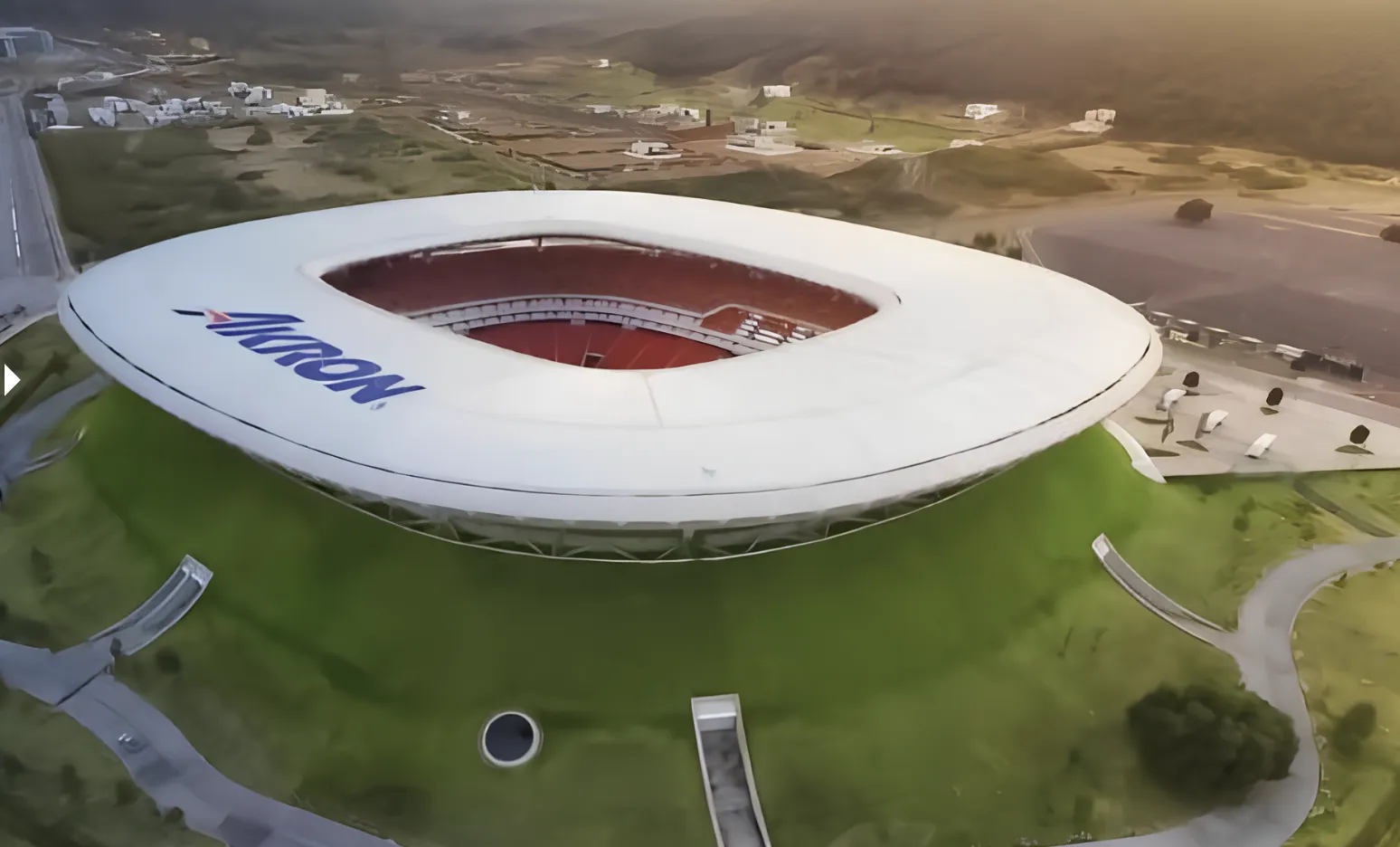
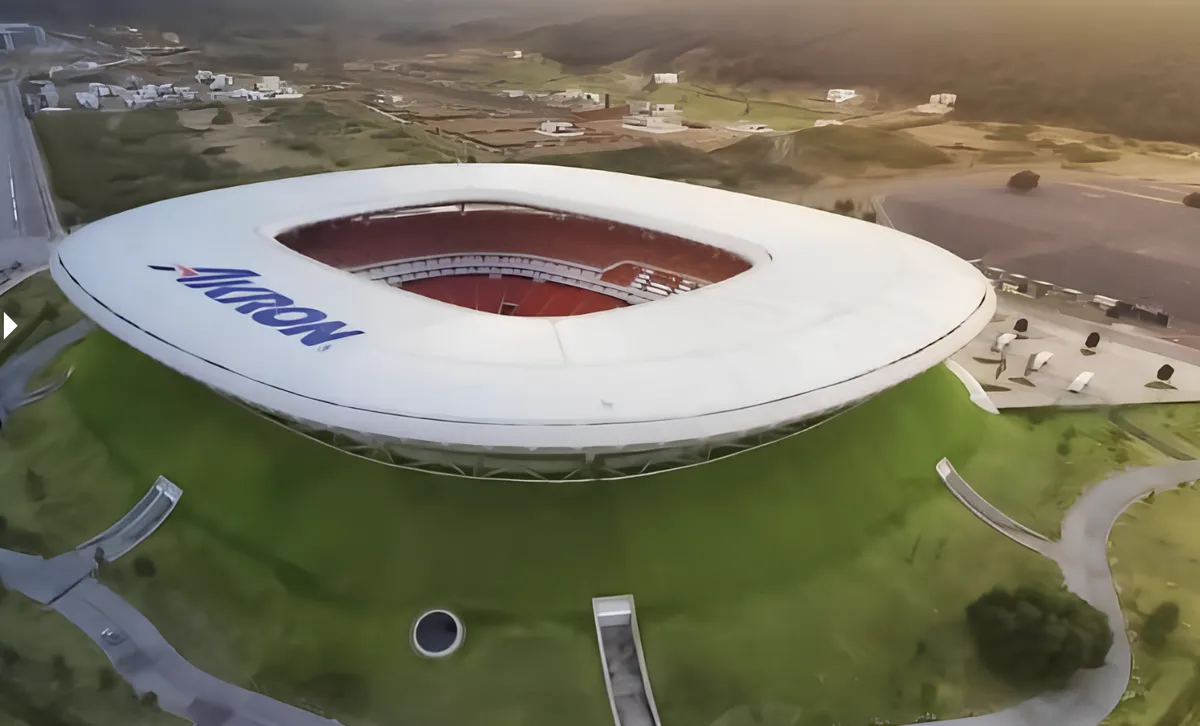
Estadio Akron opened in 2010 after six years of construction that ran over budget from $126 million to $149 million. It sits in Zapopan, a municipality on the western edge of the Guadalajara metropolitan area, beside the forested Bosque La Primavera nature reserve.
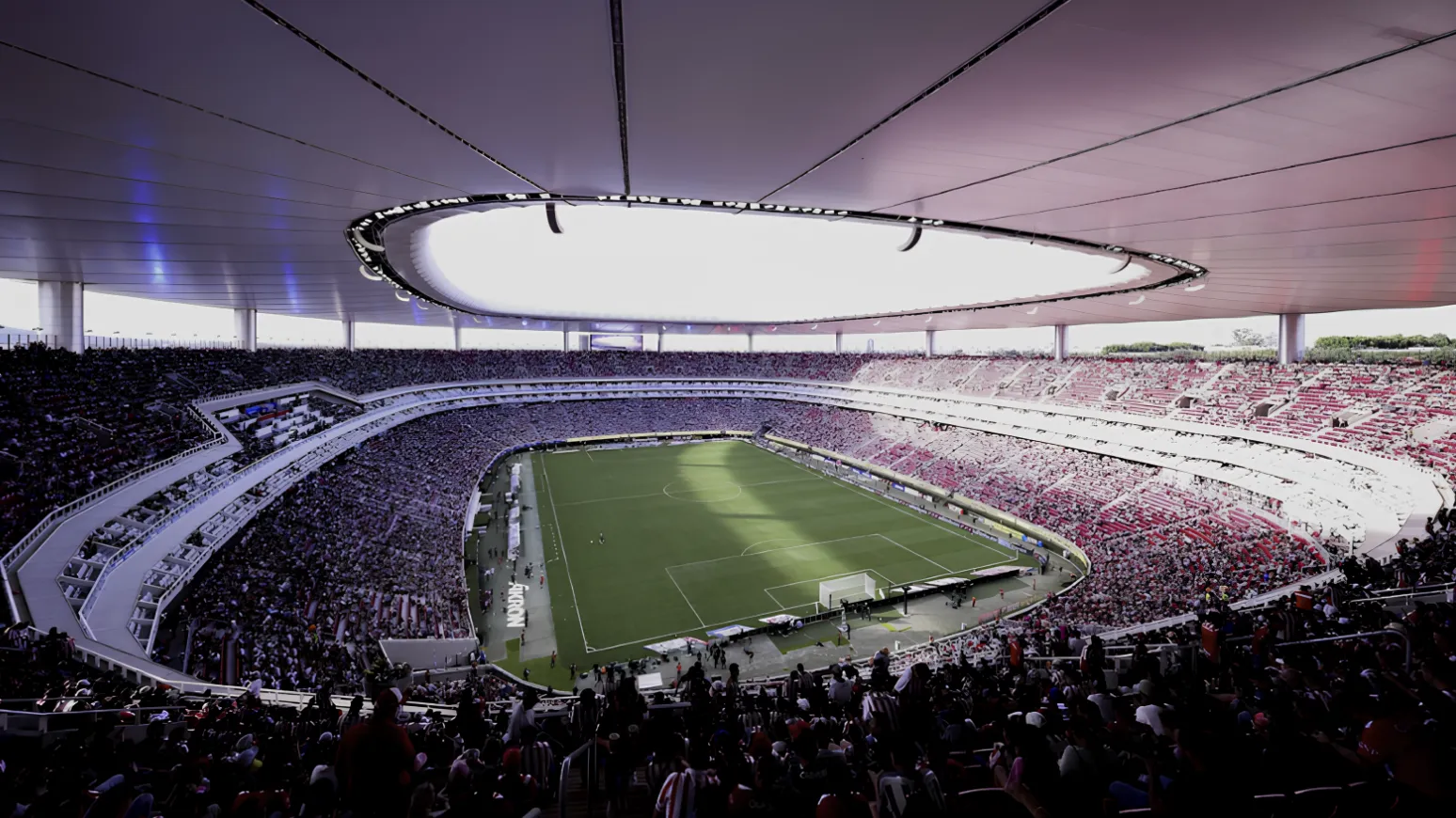
From the outside, it looks like a grass-covered volcano. The architects clad the stadium’s exterior in living turf, sloping it to blend with the surrounding landscape. A 360-degree continuous roof and an advanced rainwater-collection system complete the engineering. Inside, 48,071 seats curl tightly around the pitch, giving the arena famously sharp acoustics — when Chivas (C.D. Guadalajara, the stadium’s permanent tenant) scores against América, the sound stays inside the bowl for several seconds.
For the 2026 World Cup, FIFA rules force a rename — the venue becomes Estadio Guadalajara for the tournament — and the official seating capacity is set at 44,330, slightly lower than regular to accommodate media zones, VIP areas, and broadcast infrastructure. This makes it the smallest of Mexico’s three host venues and the second-smallest of the 16 stadiums in the entire tournament.
The four group-stage matches here:
- June 12 — South Korea vs. UEFA Path D Winner (Group A)
- June 19 — Mexico vs. South Korea (Group A) — the marquee fixture
- June 24 — Colombia vs. Intercontinental Playoff Winner (Group K)
- June 27 — Uruguay vs. Spain (Group H)
Guadalajara’s altitude is 1,500 meters (4,920 feet) — substantially lower than Mexico City, but still enough to affect visiting European teams for the opening 20 minutes of a match. The June climate here brings afternoon thunderstorms. Match-day kits should include a rain jacket. Evening kickoffs can go from 30°C and dry at 6pm to 22°C and pouring by 9pm.
Getting There
From Miguel Hidalgo y Costilla International Airport (GDL) to the Stadium
The airport sits southeast of central Guadalajara. From GDL to Estadio Akron is 27 km / 17 miles, taking 40-50 minutes in normal traffic and 75-100 minutes on match days. The stadium is on the opposite side of the metro from the airport, which matters.
Public transit route (imperfect but the cheapest):
- BRT Mi Macro Periférico from the nearest airport bus connection — take the BRT to Estadio Chivas Station
- Walk the dedicated pedestrian route (20 minutes) from the station to stadium gates
- Alternative: Light Rail SITEUR Line 3 (Pink) from the city center, transfer to Mi Macro Periférico at Belenes station
- Total time from airport: 90 minutes minimum | Cost: ~15 pesos ($1 USD)
By rideshare (Uber/Didi): $15-25 USD from the airport. On match days, 50-70% surge pricing; Uber’s algorithm actively reroutes through neighborhood streets when Periférico (the ring road) becomes gridlocked. Get to the stadium 4 hours before kickoff if you drive.
Red flag: There is no official parking lot at Estadio Akron that’s reasonably sized for a World Cup crowd. Do not drive a rental car. Pre-booked private lots in Zapopan sell out 48 hours before each match.
Visa & Entry
All the same rules as Mexico City apply. US, Canadian, UK, EU, Australian, and Japanese citizens: no visa under 180 days. Passport + FMM on arrival.
One practical note specific to GDL airport: immigration lines here are significantly shorter than Mexico City’s MEX airport. For fans with flexibility, flying into Guadalajara first and connecting onward has real time savings.
Where to Stay
Guadalajara is sprawling. Your accommodation decision determines 60-90 minutes of your day, every day.
| Neighborhood | Drive to Stadium | Double Room/Night | Vibe | Best For |
|---|---|---|---|---|
| Zapopan (near stadium) | 15-20 min | $100-180 | Business district, modern hotels, mall walk-out dining | Match-day priority |
| Colonia Americana | 35-45 min (match day 50-60) | $120-220 | Time Out’s “World’s Coolest Neighborhood 2022,” colonial mansions-turned-bars, nightlife | The best overall choice |
| Centro Histórico | 40-50 min | $70-140 | Colonial plazas, cathedral, FIFA Fan Festival walking distance, budget hotels | Culture-first, tight budgets |
| Providencia | 30-40 min | $110-180 | Family-friendly, upscale residential, parks | Families, quieter travelers |
| Tlaquepaque | 50 min | $90-160 | Artisan colonial village, pottery workshops, crafts | Culture hunters with rental car |
Colonia Americana is the correct choice for most fans. Voted by Time Out as the World’s Coolest Neighborhood in 2022, it holds the densest concentration of bars, cafés, and early-20th-century mansions converted to art galleries in Mexico. Distance to the stadium is manageable; distance to the Fan Festival at Plaza de la Liberación is a 10-minute walk.
What to avoid: The outskirts of Tlaquepaque after dark (the village center is safe, the periphery less so). The area east of Calzada Independencia after 11pm. Cheap Airbnbs listed far south of the Periférico ring road.
Book by May 1. Guadalajara expects over a million visitors during the tournament. Zapopan near-stadium hotels will be the first to sell out.
Beyond the Stadium
Tequila — The Town, Not the Drink
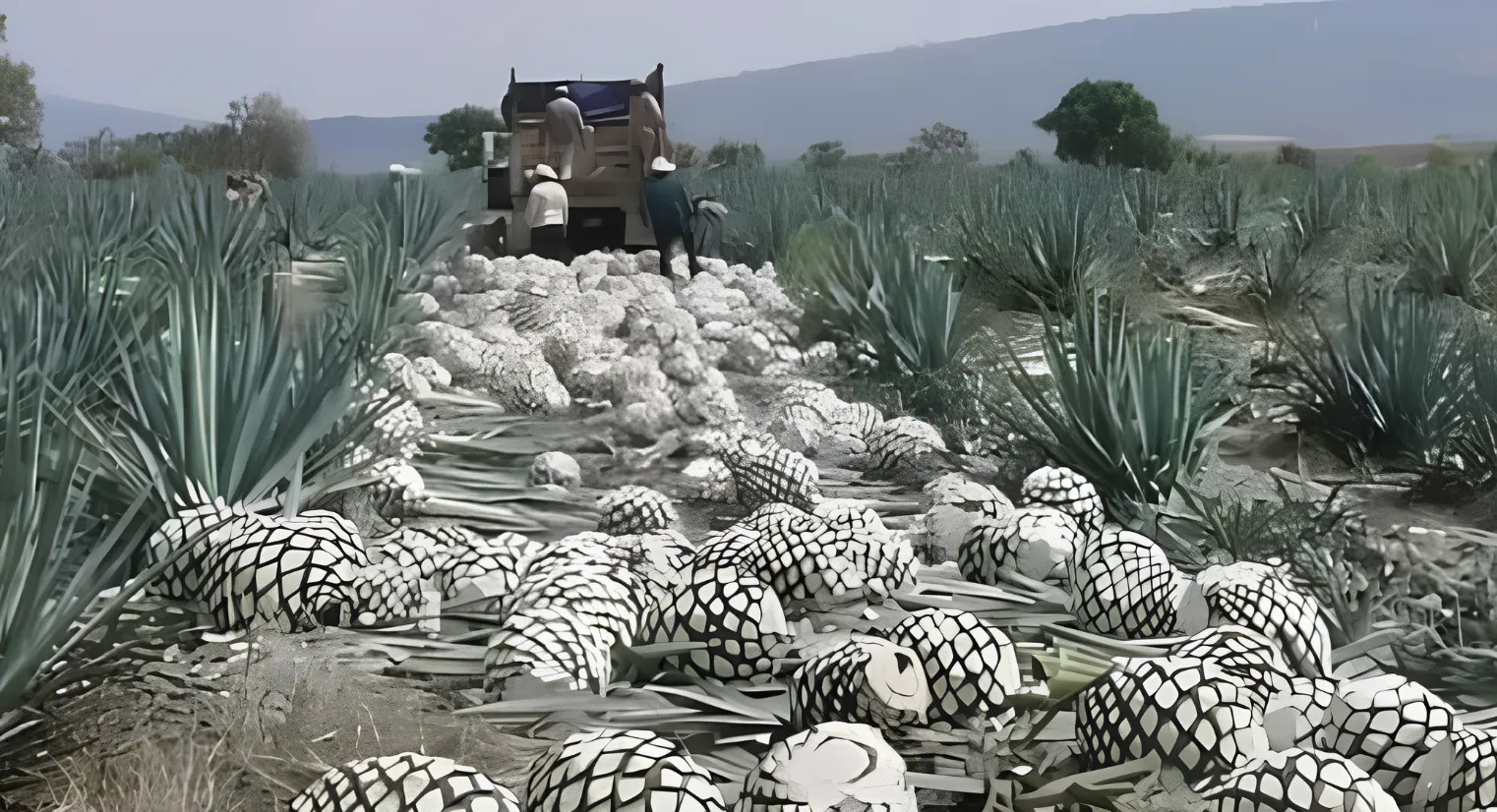
An hour northwest of the city lies the town of Tequila, the only place on Earth where agave-distilled spirits can legally be labeled “tequila.” The José Cuervo and Herradura distillery tours both include tastings and full explanations of the blue agave fermentation process. Best option: the Tequila Express train, which departs Guadalajara central station on Saturdays, stops at a working distillery, serves food and drink on board, and returns by evening. Cost: ~$80 USD per person.
Hospicio Cabañas — UNESCO Site in the City Center

An 18th-century orphanage turned museum, it holds the José Clemente Orozco Man of Fire murals — some of the greatest frescoes in the Americas. Entry: 95 pesos (~$6). Closed Mondays. Two hours is enough.
Mercado Libertad (San Juan de Dios)
Largest covered market in Latin America. Three floors. Everything from leather boots to live iguanas (do not buy live iguanas). The food court on level 2 has tortas ahogadas (drowned sandwiches) for 40-60 pesos. Wear a money belt.
Tlaquepaque Old Town
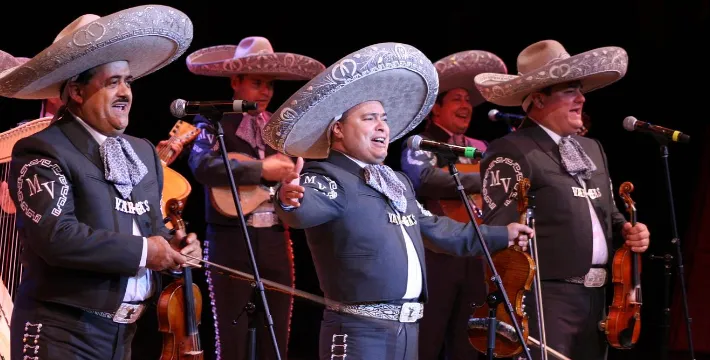
A 40-minute drive from Centro Histórico, this was once a separate village and retains its 19th-century feel. Ceramic workshops, mezcal tasting rooms, and El Parián — a plaza ringed with mariachi bands who will play requests for 100 pesos. Go in the late afternoon and stay for dinner.
Chapala and Ajijic — Half-Day Lake Trip
Lake Chapala is Mexico’s largest freshwater lake. Ajijic is the lakeside village where 8,000 American and Canadian expatriates have retired. The expat presence makes Ajijic easy to navigate for non-Spanish speakers, though it feels oddly disconnected from Mexican Mexico. Drive time from Guadalajara: 45 minutes.
Where to Eat and Drink
Birria — The Guadalajara Signature
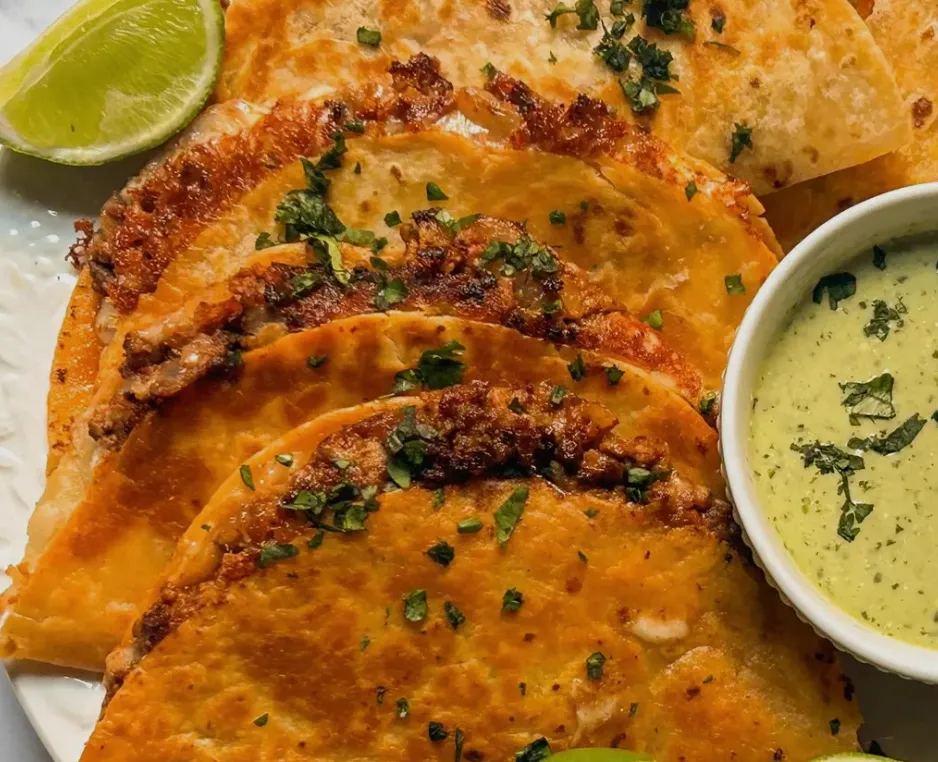
Guadalajara is the birthplace of birria, slow-stewed goat or beef in a red chile broth, served with consomé on the side for dipping. Since 2019, birria tacos have become globally famous. Here in the source city, the locals still eat it old-school: as a stew, with tortillas on the side.
Birrieria Las 9 Esquinas (Centro Histórico, Galeana 232). Since 1954. Goat birria in clay bowls. 180 pesos. Closes at 4pm. Arrive before 1:30pm to avoid a queue.
Birria El Beto (Colonia Americana, Morelos 1794). The contemporary version: birria tacos with consomé, served fast. A plate of three tacos plus consomé runs 120 pesos.
Tortas Ahogadas — The Other Local Icon
Only exists in Guadalajara. A pork sandwich on crusty bread, completely submerged in spicy tomato-chile sauce. Eaten with a fork. Tortas Toño (Calzada Lázaro Cárdenas 1565) is the institution — open since 1952, single menu item.
For a Sit-Down Evening
Alcalde (Colonia Americana). One of Mexico’s most decorated modern kitchens, chef Paco Ruano’s menu centered on the cuisine of Jalisco state. Tasting menu 2,200 pesos (~$125). Reservations a month out.
Hueso (Lafayette). An entirely white dining room with 10,000 bones mounted on the walls. Chef Alfonso Cadena serves a short daily-changing menu. Around $60 USD per person.
The Fan Experience
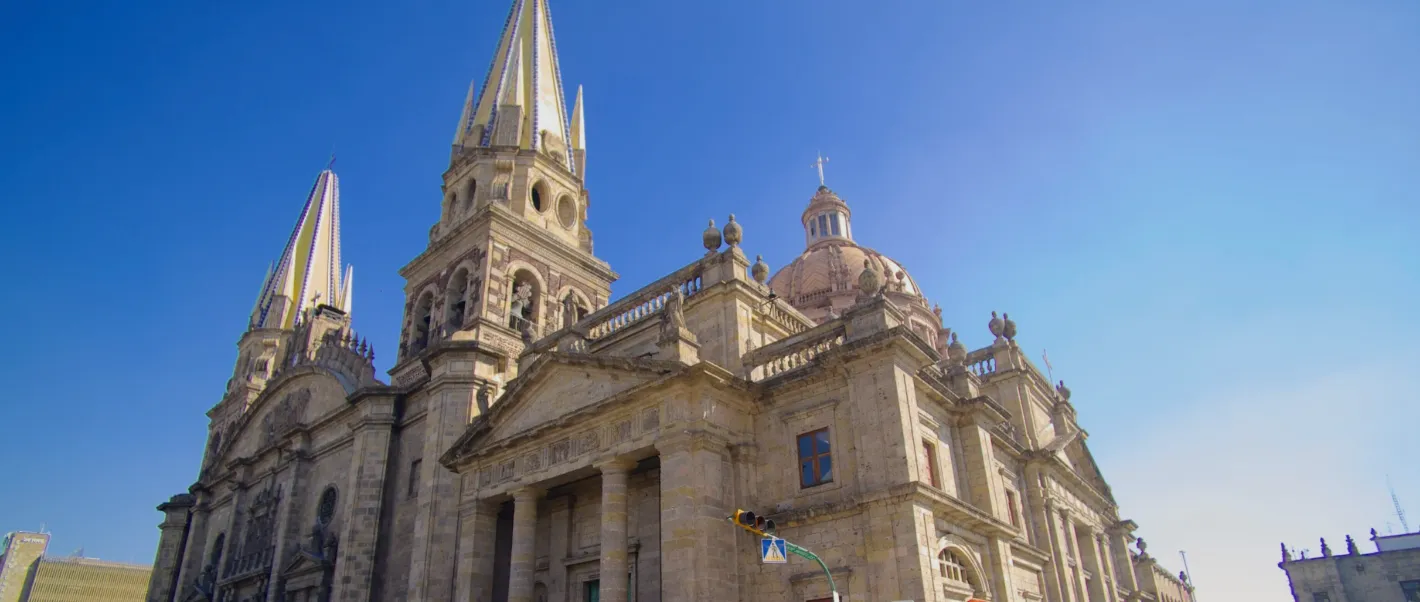
FIFA Fan Festival — Guadalajara: Plaza de la Liberación, between the Cathedral and Teatro Degollado. Expected to draw nearly 3 million visitors across the 39 days of the tournament. Live music, big screens, local food stalls. Free entry.
Post-match bars in Colonia Americana: Look for Avenida Chapultepec — the neighborhood’s main drag, lined with bars from craft beer (Fábrica de Cerveza Minerva) to mezcal lounges (Pare de Sufrir) to dive bars where no one speaks English. A beer costs 40-80 pesos ($2-4 USD).
The local supporter tradition: Chivas (C.D. Guadalajara) is the only Liga MX club that exclusively fields Mexican players — a policy since the team’s founding in 1906. This makes Chivas matches feel like proxy national-team games. Their anthem, “Chivas Banda,” is a 90-minute singalong.
The Story
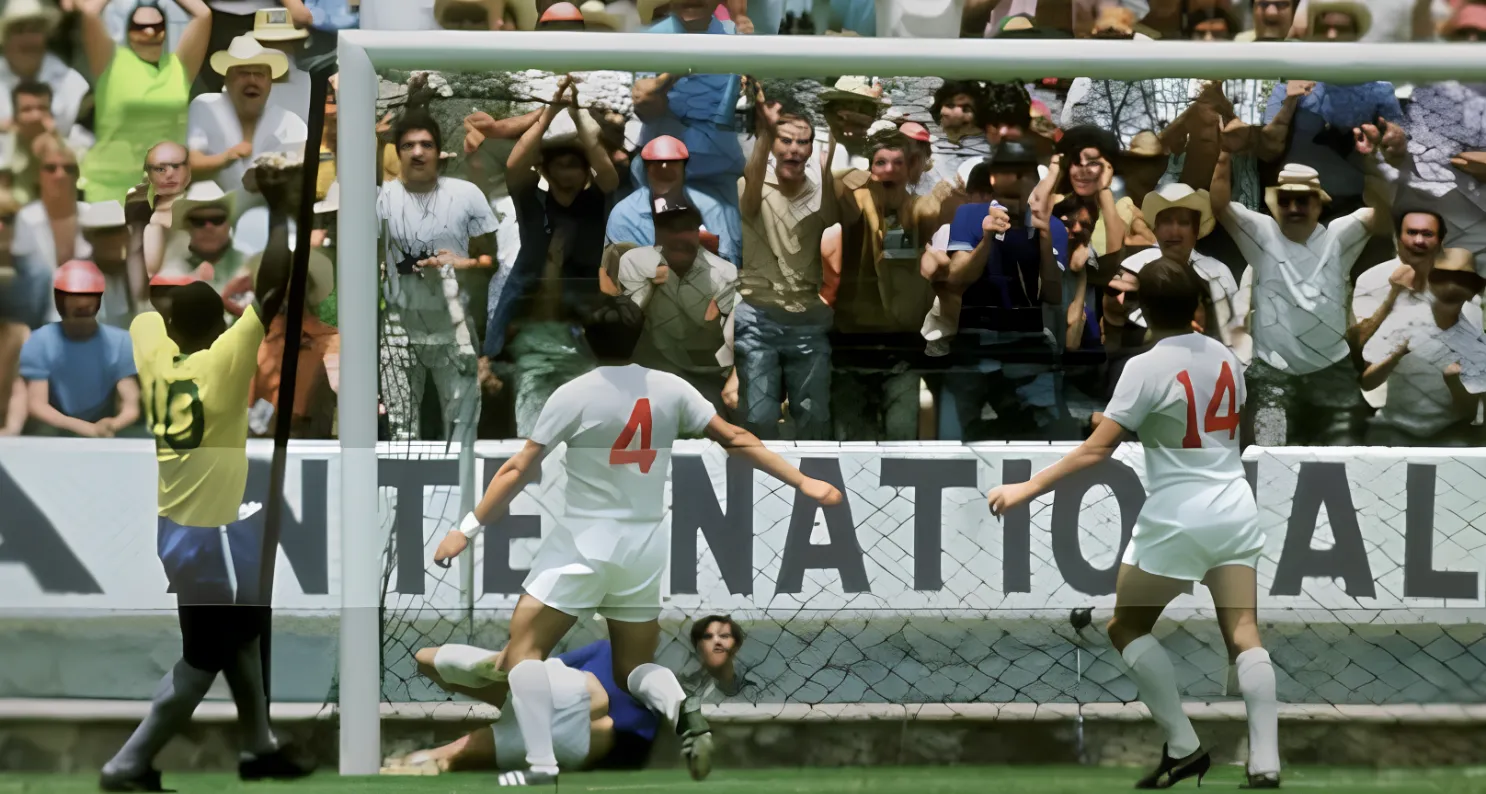
On June 7, 1970, Brazil played England at the Estadio Jalisco in Guadalajara — not Estadio Akron, which wouldn’t exist for another four decades, but the older and larger stadium in the city’s Colonia Independencia district, just east of the center. The Estadio Jalisco still stands, now home to Atlas F.C.
It was a group-stage match, no knockout round. Both teams would advance regardless. But both were pre-tournament favorites, and this was the match that would crown the better side. England came as defending champions. Brazil came with Pelé.
In the 10th minute, Brazilian captain Carlos Alberto sent a long diagonal ball down the right to winger Jairzinho, who blazed past England’s left-back Terry Cooper and whipped a cross toward the far post. Pelé rose, met the ball with a downward header, and aimed for the corner beyond the keeper’s reach. It was the exact shot Pelé had scored a hundred times. He was so certain the ball would go in that he shouted “Goal!” as it left his forehead.
Gordon Banks — England’s 32-year-old goalkeeper — was the wrong side of his goal. He had been facing the near post. As Pelé headed the ball toward the far post, Banks had to turn, dive, and reach behind himself. He covered 12 feet in a fraction of a second, twisted in mid-air, and scooped the ball up with his open right hand — flicking it over the crossbar just as it was bouncing into the net.
Pelé’s reaction, captured on film, is a mix of disbelief and delight. He approached Banks after the final whistle and said: “I thought that was a goal. You are an excellent goalkeeper.”
The save has been called “the Save of the Century.” For a generation of English goalkeeping coaches, it became the reference point — the move physically possible only for a player of Banks’s technique, timing, and spatial reasoning. Banks died in 2019. His save at Estadio Jalisco is the image that opens every obituary of him written anywhere in the world.
Brazil won the match 1-0, on a goal by Jairzinho. Brazil went on to win the 1970 World Cup, their third, securing permanent ownership of the Jules Rimet Trophy. But the match is not remembered for the goal. It’s remembered for the shot that didn’t go in.
Estadio Jalisco is a 15-minute drive from Estadio Akron, where the 2026 matches will be played. If you have a free morning in Guadalajara, the older stadium is worth visiting. There’s a plaque marking the spot in the north goal where Pelé’s header struck Banks’s palm and died.