



Quick Reference
| Detail | Information |
|---|---|
| Stadium | Estadio Azteca / Mexico City Stadium (tournament name) |
| Capacity (WC) | 72,766 (official FIFA figure) |
| Matches hosted | 5 (opening match + 4 more through July 5) |
| Altitude | 2,200 m / 7,218 ft |
| Nearest airport | Benito Juárez International (MEX) |
| Recommended days | 4-5 nights minimum |
| Budget level | Mid (affordable compared to US host cities) |
| Best neighborhoods | Coyoacán, Roma Norte, Condesa |
| Avoid | Tepito, Iztapalapa outskirts, Gustavo A. Madero fringe |
| Currency | Mexican Peso (MXN) ~ 20 MXN per $1 USD |
| Tap water | Do not drink. Bottled only. |
The only stadium in history to open three World Cups. The altitude that steals visiting teams’ legs. The barrio where Frida Kahlo’s blue house sits a short walk from the fan zone. This is everything you need to know to land in Mexico City for June 11, 2026 — and still walk out with a story worth telling.
The Stadium
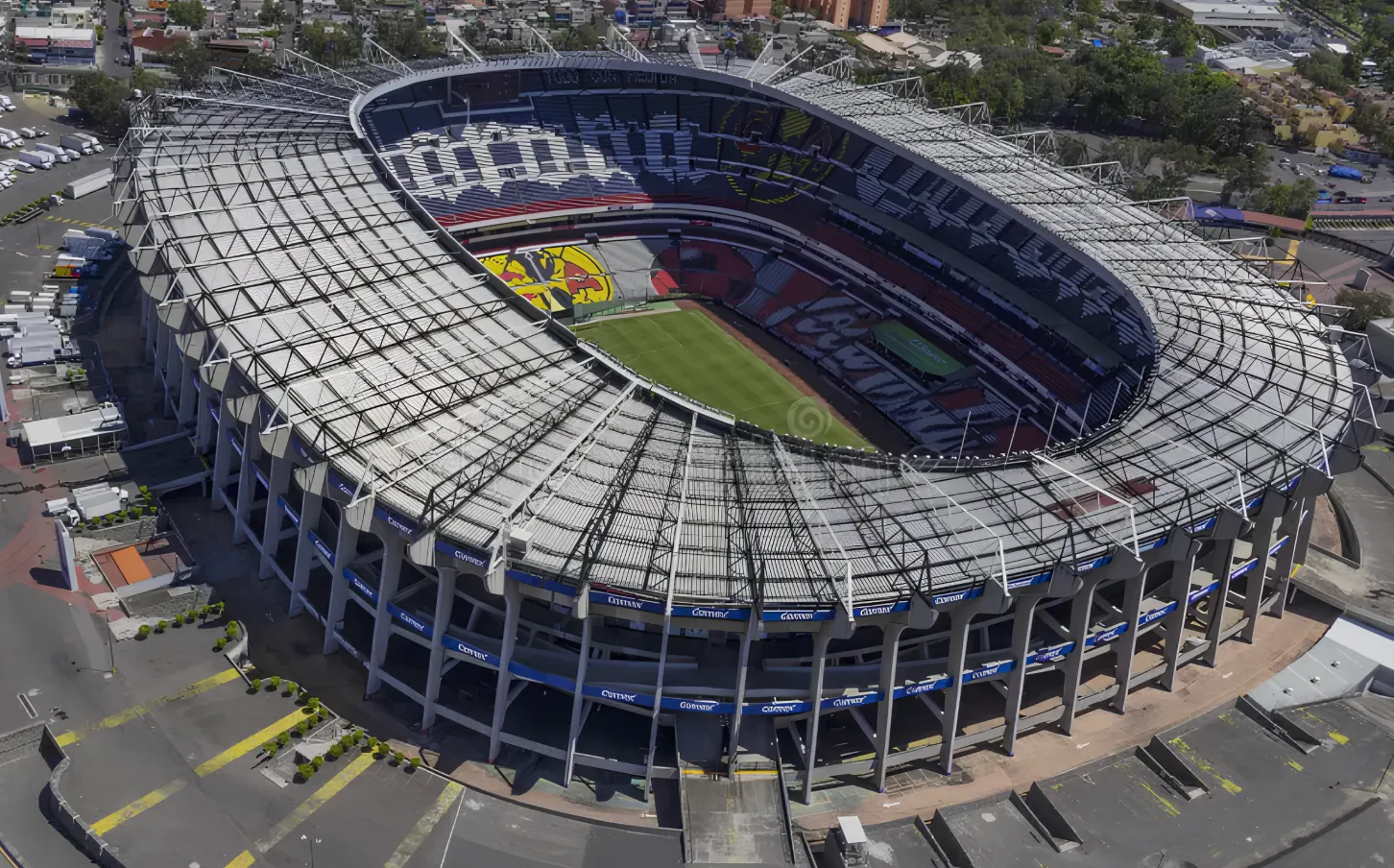
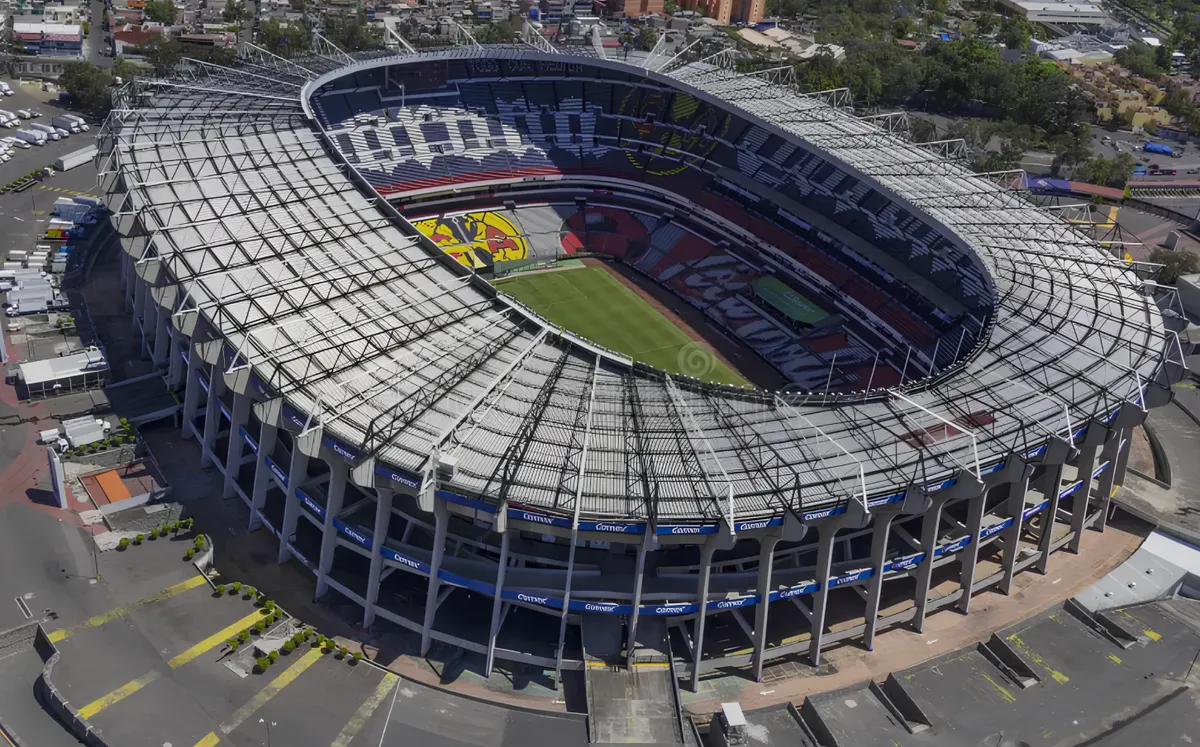
On May 29, 1966, a stadium opened at 2,200 meters above sea level in the Coyoacán district of southern Mexico City. Architects Pedro Ramírez Vázquez and Rafael Mijares Alcérreca designed a bowl for more than 100,000 people, set into a natural depression in the volcanic rock. They named it Estadio Azteca.
Sixty years later, it has become the only stadium on Earth to host three World Cups — 1970, 1986, and now 2026 — and on June 11, 2026, it will stage the opening match of the tournament for the third time. No other venue has ever done this twice, let alone three times.
The 2026 renovation cost roughly $150 million USD and was completed in March. The regular capacity of 83,000 has been pushed to nearly 87,500 for the World Cup, though FIFA’s official tournament figure sits at 72,766 after setup reductions for media zones, VIP areas, and operations. A new hybrid pitch has been installed — natural grass woven with synthetic fibers, the same system used by Wembley and the Allianz Arena. The roof has been repaired. The concourse LED system has been rebuilt. The locker rooms have been rebuilt. For the duration of the tournament, FIFA rules strip the venue of its commercial naming rights — Estadio Banorte, acquired in March 2025 — and rename it simply Mexico City Stadium.
The five matches scheduled here:
- June 11 — Opening match: Mexico vs. opponent from Intercontinental Playoff 2
- June 17 — Group A match
- June 24 — Mexico’s second group stage match
- June 30 — Round of 32
- July 5 — Round of 16
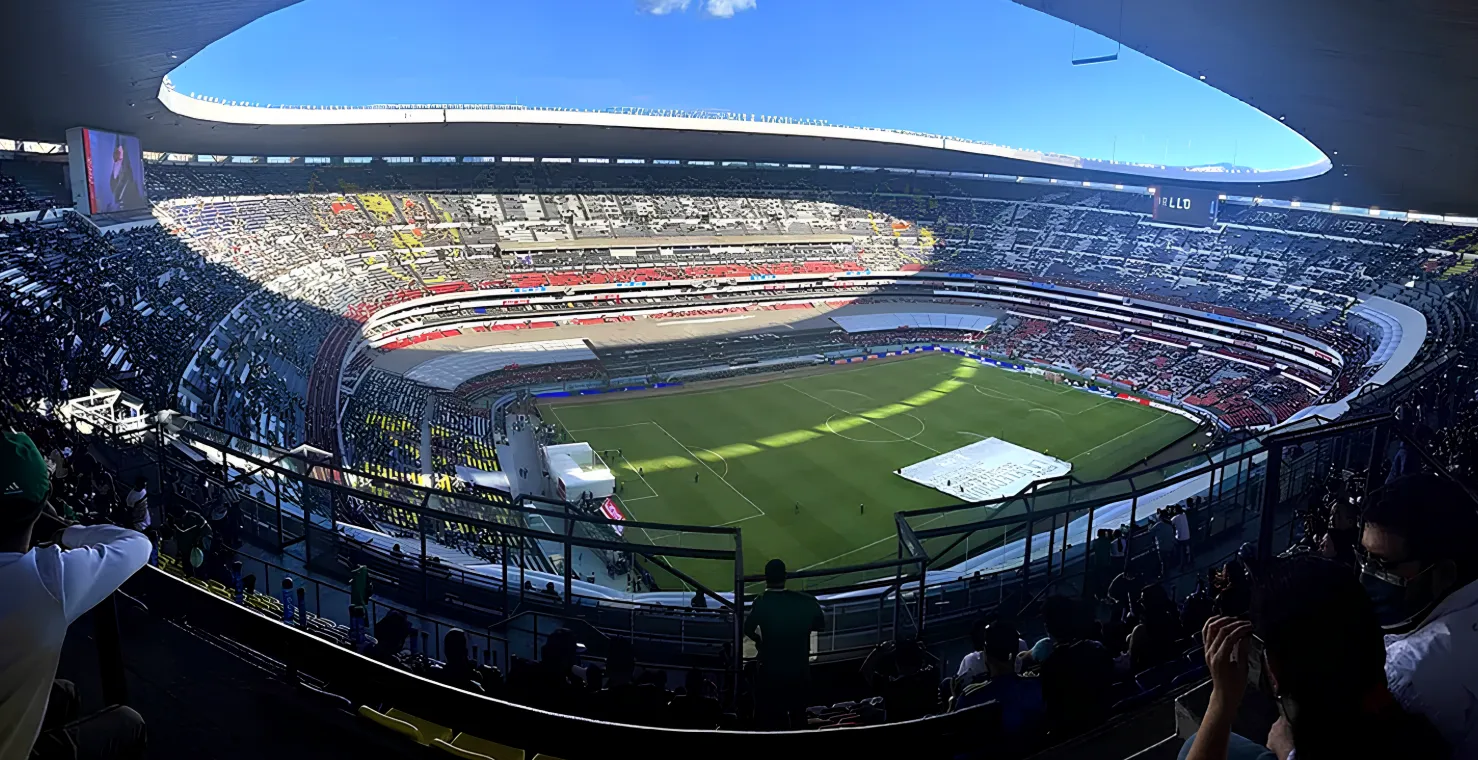
The altitude matters more than any other factor on this planet. At 2,200 meters (7,218 feet), Mexico City plays at heights that leave visiting players gasping after 20 minutes. Mexican athletes grow up with it. Argentine, French, Brazilian, and Spanish players will arrive from sea level and spend the second half of their group-stage matches genuinely short of breath. Expect substitutions early. Expect final 15-minute goals. The altitude is a 12th player.
Getting There
From Benito Juárez International Airport (MEX) to the Stadium
The airport is 13 miles / 21 km northeast of Estadio Azteca. On a regular day, the drive takes 40 minutes. On a match day, expect 90 minutes minimum, sometimes two hours. Plan accordingly.
The public transit route (cheapest, most reliable on match days):
- Metro Line 5 (yellow) from airport to Pantitlán
- Transfer to Metro Line 9 (brown) to Chabacano
- Transfer to Metro Line 2 (blue) to Tasqueña
- Transfer to the Tren Ligero (light rail) south to Estadio Azteca station
- Total time: 60-75 minutes | Total cost: 8 pesos (~$0.50 USD)
The walk from the Estadio Azteca tren ligero station to the gates is five minutes.
By rideshare (Uber/Didi): $20-35 USD from the airport in normal traffic. On match days, fares surge 2-3x and the last mile can take 45 minutes of crawl. Drivers will often drop off earlier than you expect because stadium perimeter road closures activate 4 hours before kickoff.
Red flag: Do not flag street taxis in Mexico City. Even experienced travelers get overcharged or routed through side streets. Use app-based rideshare only, or authorized airport taxi kiosks (marked “Taxi Autorizado”).
Visa & Entry
- US and Canadian citizens: No visa required for stays under 180 days. Passport + Forma Migratoria Múltiple (FMM) issued on arrival. Passport must be valid for entire stay — not six months, just for your duration of stay.
- UK, EU, Australian citizens: Also no visa under 180 days.
- Most South American passports: Visa-free for tourism.
- Chinese, Indian, Russian passports: Visa required. Apply at least 45 days in advance. Exception: If you hold a valid US, Canadian, Japanese, UK, or Schengen visa, you may enter Mexico without an additional visa.
All visitors will be asked at entry: “Purpose of visit?” and “Duration of stay?”. Carry the FIFA ticket confirmation printed on paper. Immigration officers have been briefed on the World Cup but may not speak English.
Where to Stay
The closer you stay to Azteca, the longer your trip into the city’s cultural heart will take. Pick your tradeoff carefully.
| Neighborhood | Drive to Stadium | Double Room/Night | Vibe | Best For |
|---|---|---|---|---|
| Coyoacán | 15 min | $120-200 | Cobblestone streets, Frida Kahlo’s Casa Azul, neighborhood feel | Fans prioritizing stadium access |
| Roma Norte / Condesa | 25-45 min (match day) | $130-280 | Central, best restaurant scene, nightlife | Those wanting real Mexico City |
| Centro Histórico | 35 min | $60-150 | Colonial architecture, Zócalo, budget-friendly | Culture-first, small budgets |
| Polanco | 50 min | $300-600 | Michelin restaurants, five-star hotels, upscale | Luxury travelers |
What to avoid: Tepito, Iztapalapa (outskirts), and parts of Gustavo A. Madero. These are not tourist neighborhoods, and Airbnbs listed there are cheap for a reason.
Book by May 1. Hotels across the Roma-Condesa-Polanco corridor will be 75-90% full by that date. Coyoacán may hold longer because it’s less known to international tourists — a tip worth knowing.
Beyond the Stadium
Teotihuacán — One Hour North
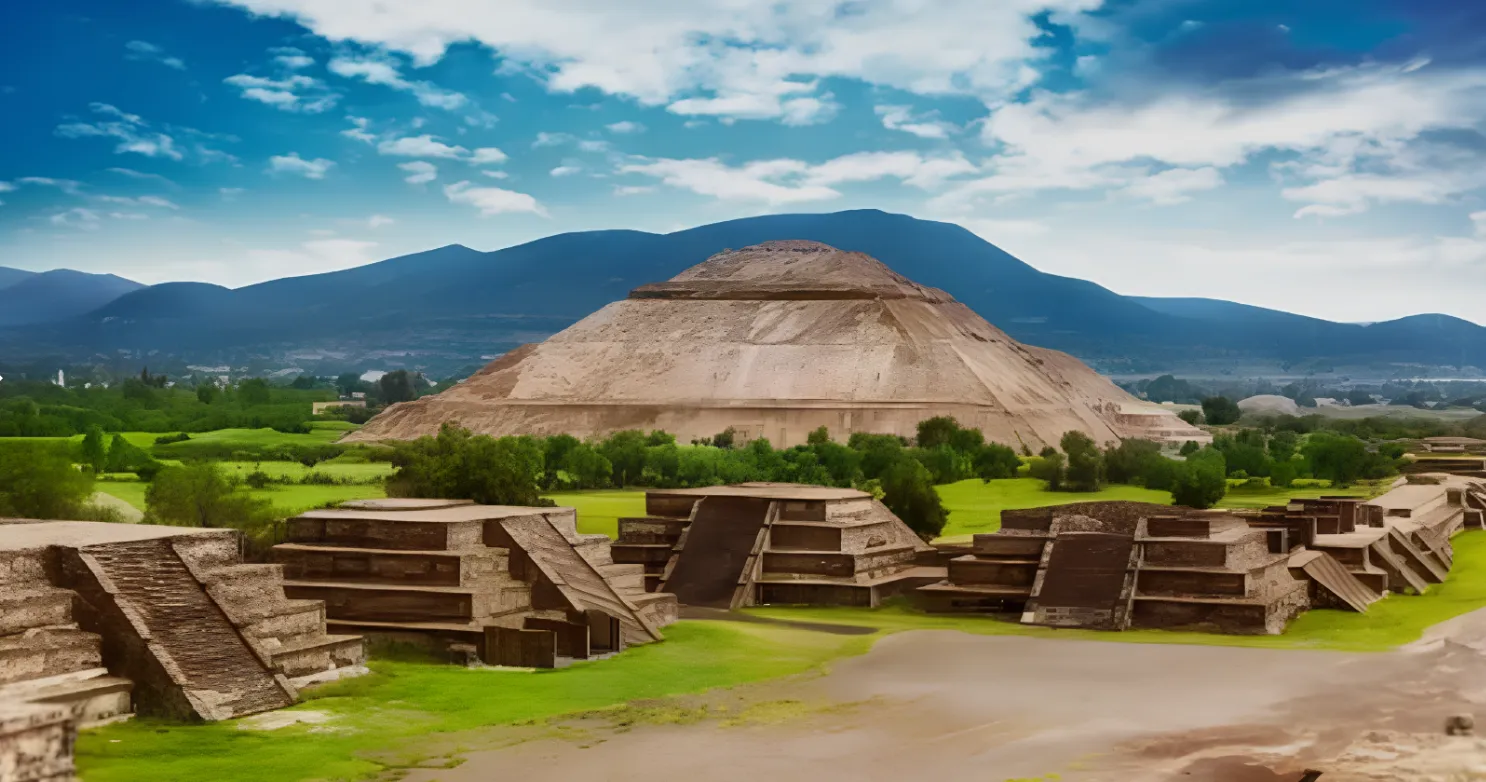
The Pyramid of the Sun is 65 meters tall. The Pyramid of the Moon is smaller but positioned more dramatically. Both were built between 100 BCE and 250 CE by a civilization that collapsed a thousand years before the Aztecs arrived. Hire a guide at the site entrance — the on-site guides know which cut of the complex has shade at 11am. Entry fee: 95 pesos (~$6 USD). Leave at 7am to beat tour buses.
Frida Kahlo’s Casa Azul — Coyoacán
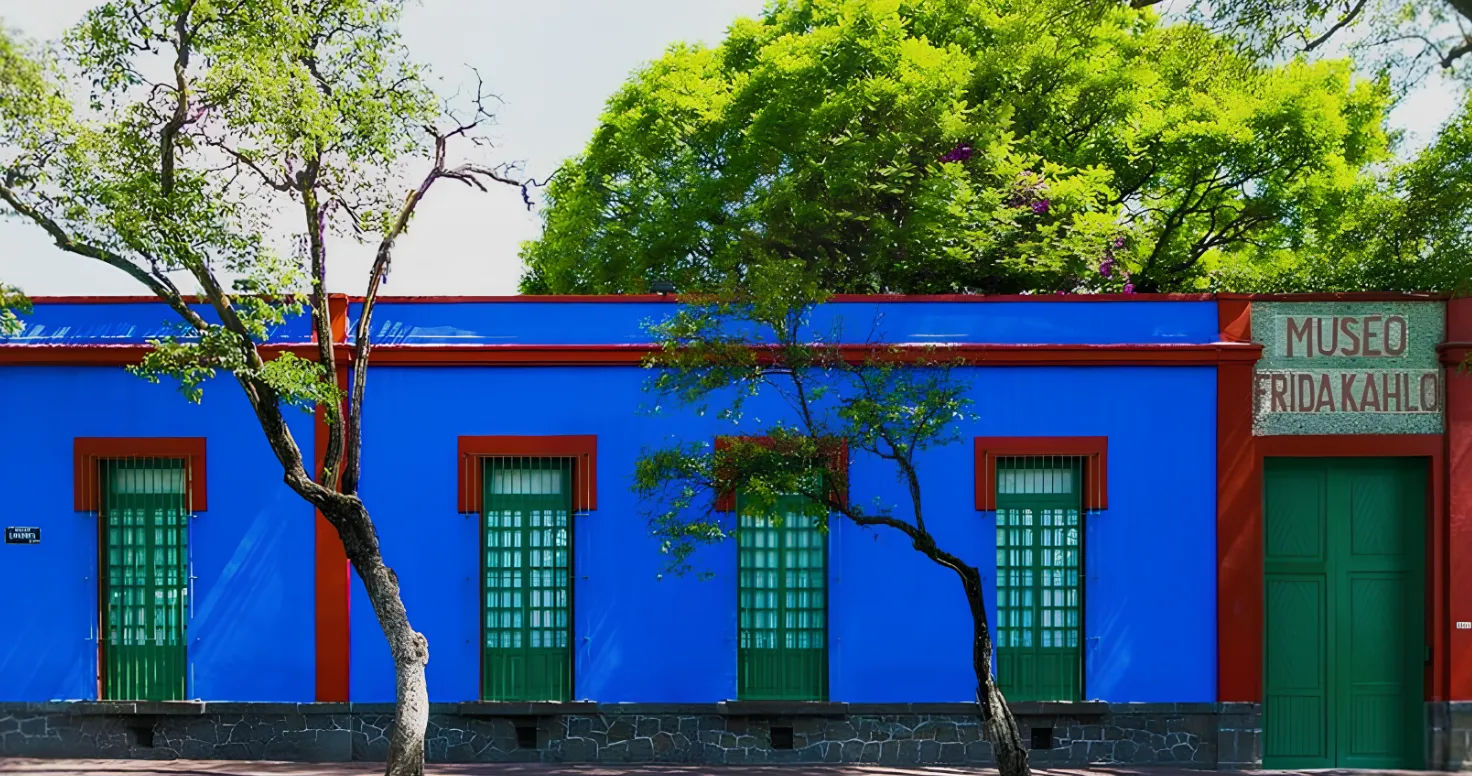
The cobalt-blue house where she was born in 1907 and died in 1954. Frida’s ashes are in a pre-Columbian urn on her bedroom dresser. Her wheelchair sits in front of her easel. Diego Rivera’s last painting for her hangs above her bed. Book tickets three weeks ahead — the museum caps entry at 120 visitors per 30-minute slot and sells out weeks in advance. Tickets: 280 pesos (~$16 USD).
Xochimilco — Sunday Mornings Only
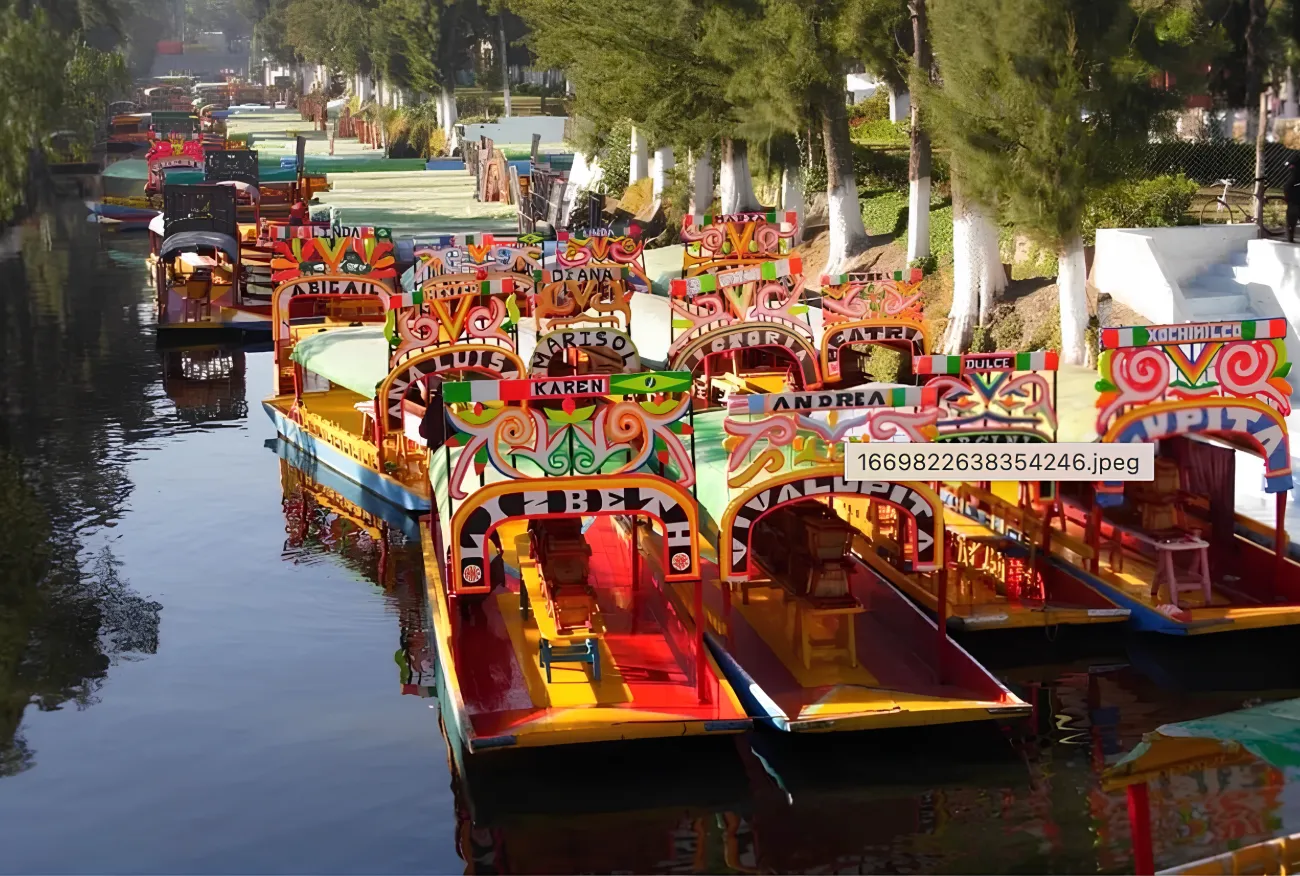
Board a trajinera — a flat-bottomed, rainbow-painted canal boat — and float through the last remnants of the ancient Aztec chinampa agricultural system. Mariachis float past on their own boats and will play for you (tip ~200 pesos per song). Go on Sunday when the canals are at their liveliest. Cost: 500 pesos per hour per boat, split between your group. Bring cash.
Museo Nacional de Antropología — Chapultepec
If you see one museum in Mexico City, this is it. The Aztec Sun Stone is here. So is the Mayan jade mask of Pakal, the Olmec colossal heads, and what is widely considered the best pre-Columbian collection in the world. Entry: 95 pesos. Closed Mondays.
The Zócalo and Templo Mayor
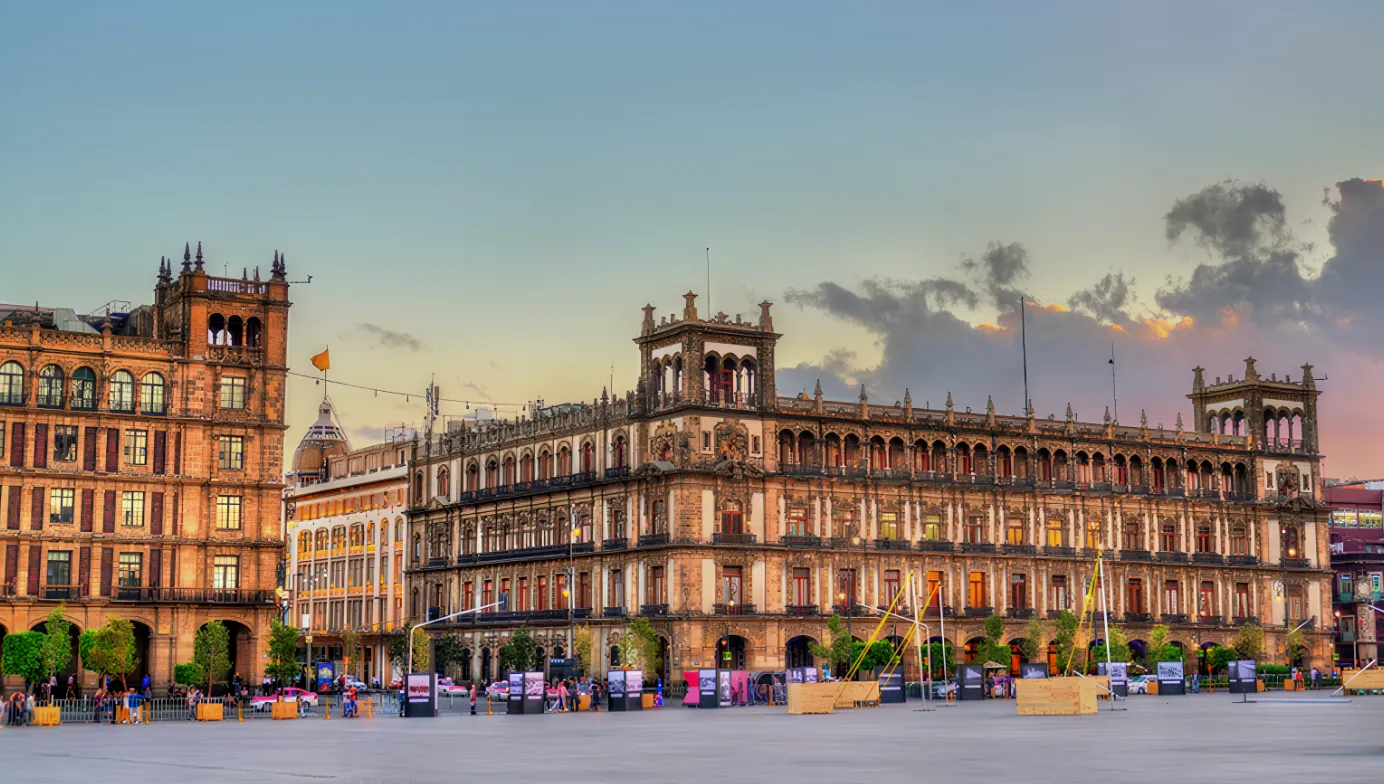
The main plaza of Mexico City — one of the largest in the world — sits directly on top of what was once the center of Tenochtitlan, capital of the Aztec Empire. Templo Mayor, visible from the Zócalo, is the partially excavated ruins of the sacred Aztec pyramid destroyed by Cortés in 1521. Walk through the ruins, then up to the attached museum.
Where to Eat and Drink
Tacos — The Non-Negotiable
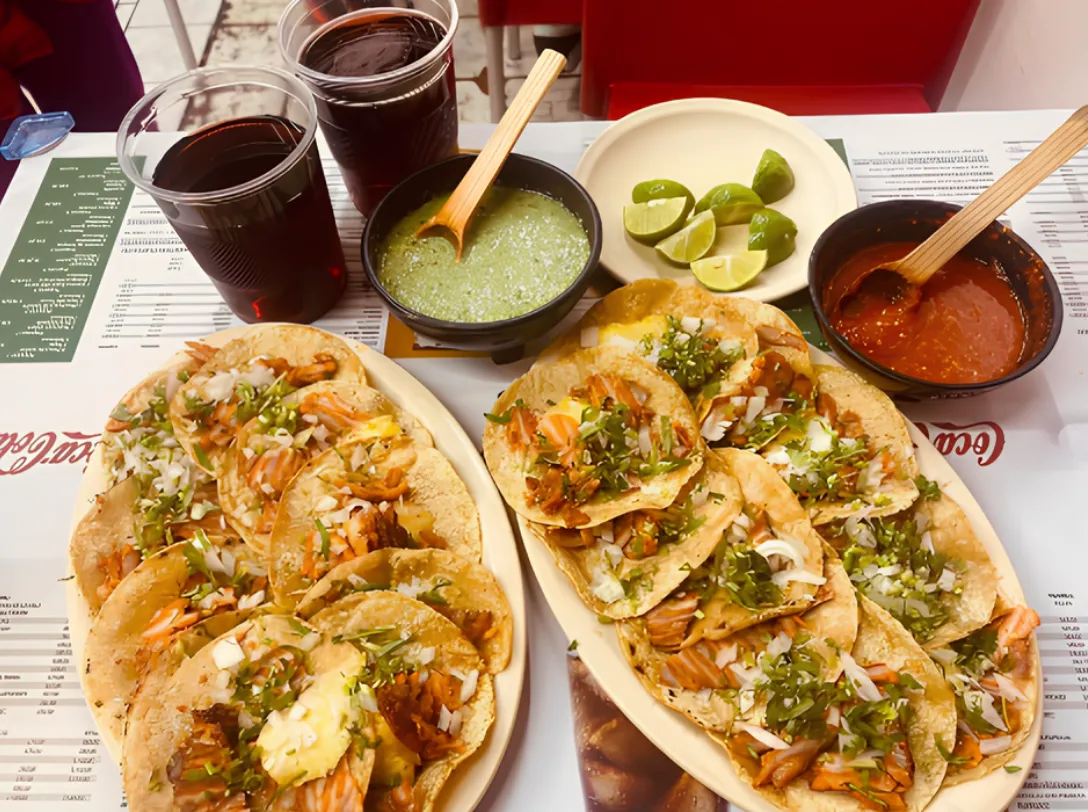
El Huequito (Centro, Calle Ayuntamiento 21). Since 1959. Trompo-style al pastor with pineapple. 25 pesos per taco. Cash only.
Los Cocuyos (Bolívar 54, Centro). A curbside stand open until 4am. Campechano (chorizo + suadero mix) is what locals order. Do not visit on your first day — your stomach needs to acclimate to Mexico City first.
El Parnita (Roma Norte, Yucatán 84). Sit-down taqueria, slightly elevated but still traditional. The al pastor here is the introduction version for cautious first-timers. Opens 1pm.
For a Proper Sit-Down Meal
Contramar (Roma Norte). The most celebrated seafood restaurant in the city. Order the tuna tostada. Reservations essential. Mid-range ($30-50 per person).
Pujol (Polanco). Two Michelin stars, 7-course taster menu around 3,500 pesos (~$200). Book two months in advance. For one meal, this is where the food world comes.
The Fan Experience
FIFA Fan Festival — Mexico City: Official location confirmed as the Zócalo — the main public square. Free entry, big screens, food stalls, live music. Open throughout the tournament, but avoid the day after Mexico plays — the crowd spills out into Madero Street and doesn’t go home.
La Condesa bars for post-match: Limantour (ranked among the world’s top 50 bars), Hanky Panky (speakeasy-style), Licorería Limantour on Álvaro Obregón. Most are 20-30 peso-per-beer territory but Limantour’s cocktails hit $12-15 USD.
The local supporter culture: If you’ve never seen a Club América match at Azteca, find a bar with it on (they play at the smaller Estadio Ciudad de los Deportes while Azteca prepares). The Barra 51 group sings continuously for 90 minutes. The atmosphere teaches you something about what World Cup matches will feel like here.
The Story
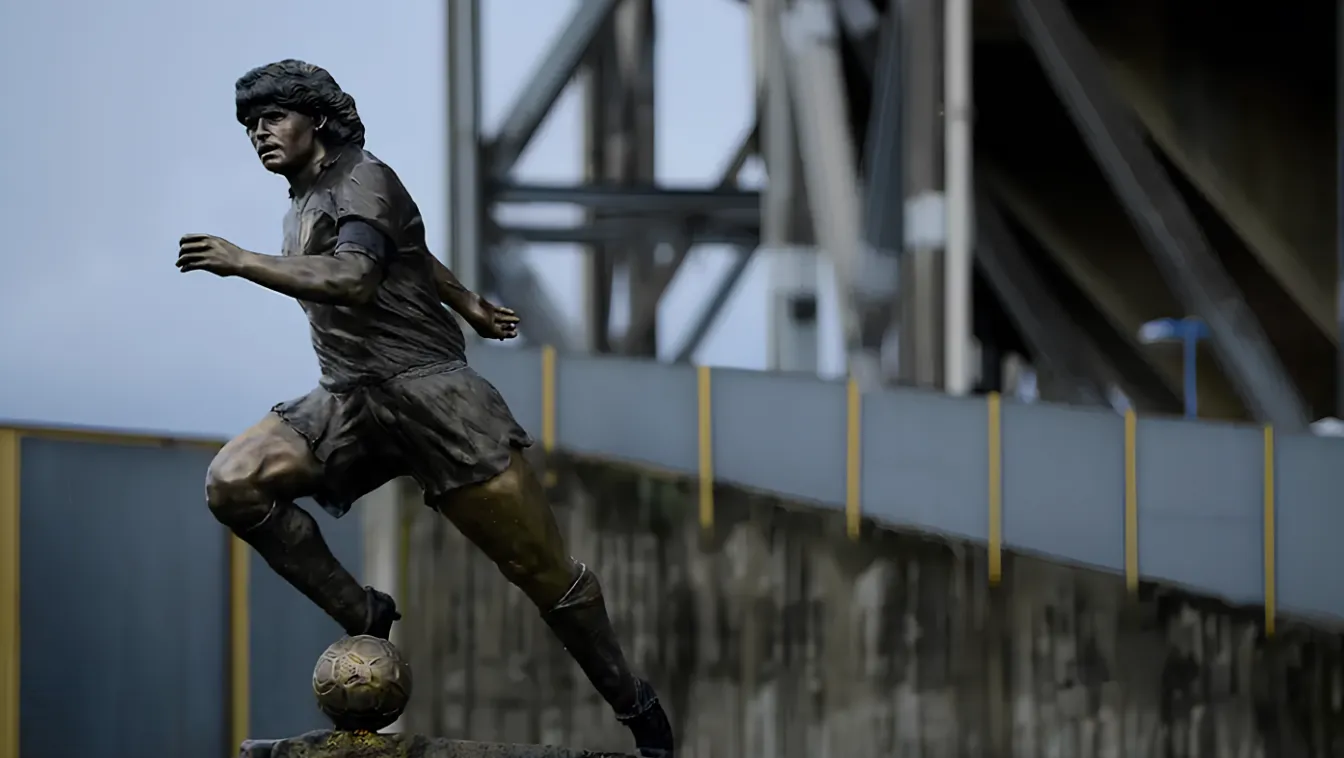
Four years after Argentina and Britain went to war over the Falkland Islands, Argentina and England met in the quarter-final of the 1986 World Cup at Estadio Azteca. Argentina’s captain was a 25-year-old from the slums of Buenos Aires named Diego Armando Maradona.
Minute 51: Maradona jumps with England’s goalkeeper Peter Shilton, who stands 20 cm taller. Maradona’s left fist — raised next to his head — makes contact with the ball a fraction of a second before Shilton’s outstretched palm. The ball loops into the net. The Tunisian referee, Ali Bin Nasser, signals a goal. The Bulgarian linesman confirms it. England protests. The goal stands.
Asked in the press conference afterward whether he had used his hand, Maradona said: “A little with the head of Maradona, and a little with the hand of God.”
Minute 55 — four minutes later. Maradona receives the ball in his own half. He beats Peter Beardsley. He beats Peter Reid. He runs past Terry Butcher, past Terry Fenwick. He beats Butcher a second time. He goes around Peter Shilton and rolls the ball into an empty net. Sixty yards. Ten and a half seconds. Eleven touches.
Every English replay of this goal adds a few more defenders each year. Technically, he beat five field players and the goalkeeper. In FIFA’s 2002 online vote, it was named the Goal of the Century.
Argentina won 2-1 that day. Argentina won the tournament. Maradona won the Golden Ball. When he died in November 2020, a statue was unveiled outside the stadium showing him with the ball in his left hand, frozen in the instant before the Hand of God — as if to remind the world that at Estadio Azteca, the sacred and the profane share a goalpost.
On June 11, 2026, when the tournament returns to this stadium for the third time, Maradona’s statue will be wearing a World Cup 2026 scarf.